PROVIDENCE – On Thursday the Tourism Study Commission presented the R.I. House of Representatives a report highlighting five recommendations for a more collaborative approach to developing a statewide tourism marketing strategy and requested an additional 18 months to continue their statewide survey.
After reviewing 12 other state marketing campaigns, Lauren H. Carson (D-Dist. 75, Newport), head of the 15-person tourism study commission, has found Rhode Island’s plans “could potentially benefit from a redesign.”
ISO 9001:2026: A Practical Opportunity to Build for What’s Next
For Rhode Island manufacturers, ISO 9001 has been much more than a certificate on the…
Learn More
According to a 2017 R.I. Commerce Corp. report, 24.1 million people visited the Ocean State in 2015, a year in which the tourism economy reached $6 billion. In addition, it states one in eight jobs are supported by the tourism economy as visitor spending has risen 21 percent cumulatively since 2010.
In Carson’s report, the group suggests the state re-evaluate the formula used to distribute Rhode Island hotel and lodging tax “to reflect a 21st century tourism investment model.” Currently, Rhode Island state law requires a 5 percent tax on room rentals in hotels, motels and lodging houses which supports tourism.
According to Commerce, the state’s lodging sector has grown 39 percent over the past seven years.
The addition of a new set of metrics to measure marketing effectiveness, would be highly beneficial for the state said Carson in the report.
“For Rhode Island’s tourism industry, the ability to coordinate investment decisions, assess the impact of marketing efforts statewide and within the local tourism districts would improve the health of this industry beyond the existing methods which use generalizations (e.g., growth in state lodging tax receipts). In addition, the workgroup found that the sources of Rhode Island data came from a combination of tax information and third-party proprietary purchased reports,” read the findings.
Moving forward the commission believes the state’s industry would benefit from tracking four metric categories – marketing dollars spent and audience reached, planning activity, visitor tracking, tax revenue and economic impact generated by tourist activity.
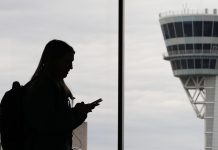
The international visitor is also a group which the study commission wants to research further now that T.F. Green lands international flights.
Carson also requested the group’s deadline be extended through the end of 2018. She explained the study commission has traveled throughout Rhode Island, including meeting with communities in Newport, South Kingstown and Woonsocket, since July 2016 but said their work is not done.
Extending the study commission an additional 18 months she said will allow the group to include further regions of the state in their findings.
Emily Gowdey-Backus is a staff writer for PBN. You can follow her on Twitter @FlashGowdey.