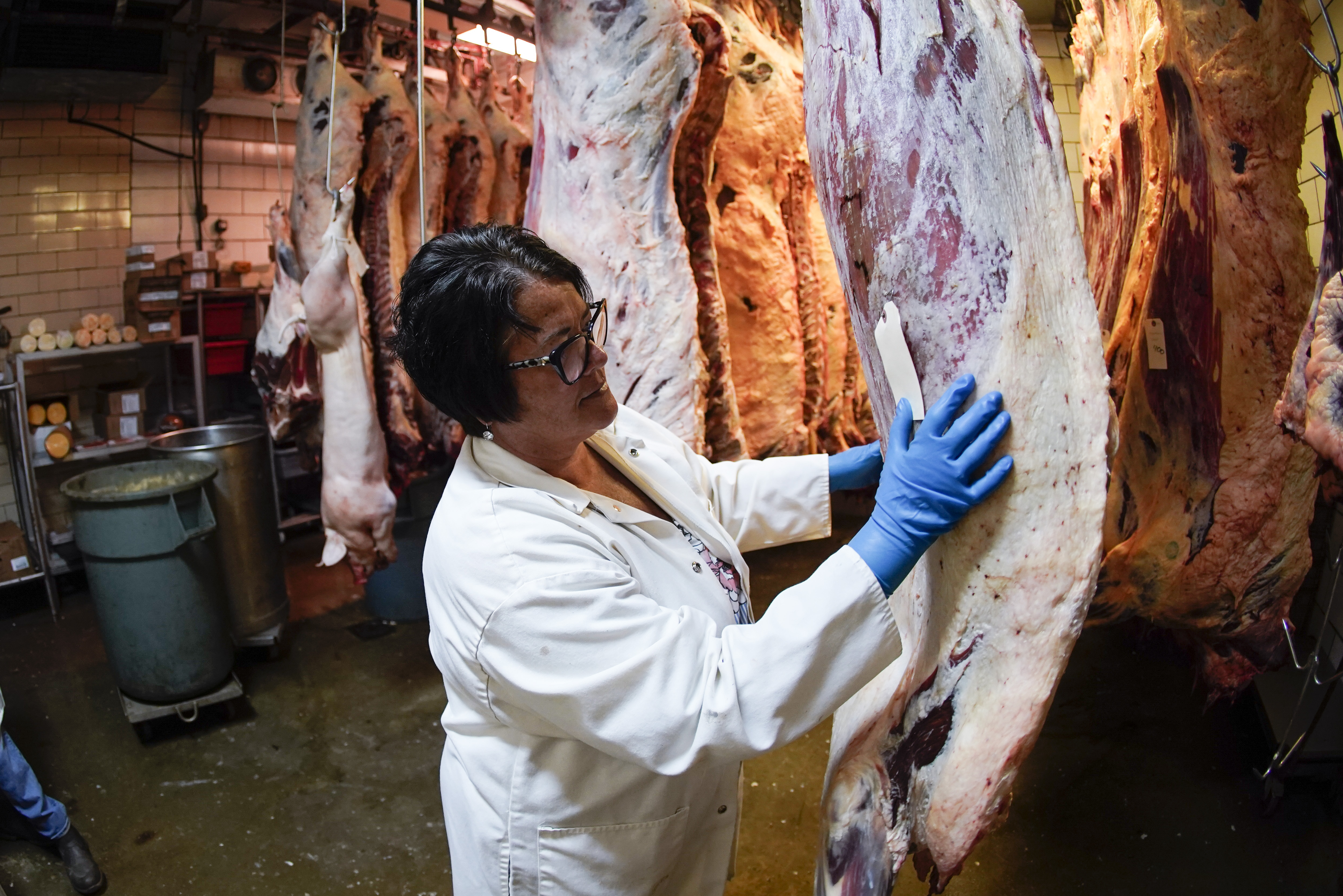
WASHINGTON (AP) – U.S. wholesale prices rose a hotter-than-expected 0.5% in December.
The Labor Department reported Friday that its producer price index – which measures inflation before it hits consumers – rose from November to December at the fastest pace in three months and faster than the 0.3% economists had forecast. Compared to December 2024, producer prices were up 3% last month, which was in line with what forecasters expected.
Your Business Has Gone Global. Has Your Insurance?
A decade ago, “doing business internationally” was mostly a large-company concern. Today, a manufacturer in…
Learn More
Services prices were up 0.7% from November, the biggest increase since July, mostly reflecting fatter profit margins at wholesalers and retailers. But the price of goods – such as appliances and autos – was unchanged last month and up 2.5% from a year earlier.
Economists had worried that President Donald Trump’s double-digit taxes on imports would drive inflation higher. Their impact has so far been more modest than expected – although inflation remains above the Federal Reserve’s 2% target. (The Fed on Wednesday announced that it would keep its benchmark interest rate unchanged.)
Friday’s producer price report came out more than two weeks late, delayed by the 43-day federal government shutdown last fall.
Wholesale prices can offer an early look at where consumer inflation might be headed. Economists also watch it because some of its components, notably measures of health care and financial services, flow into the Federal Reserve’s preferred inflation gauge – the personal consumption expenditures, or PCE, price index.
The Labor Department released its more closely watched consumer price index on Jan. 13. It showed that inflationary pressure eased slightly for consumers in December as prices for gas and used cars fell.