SOUTH KINGSTOWN – New technologies have helped improve the safety of joint replacement surgeries and make them less invasive and easier to recover from. But these technologies haven’t been widely used yet.
Ryan Chapman, assistant professor of kinesiology at the University of Rhode Island’s College of Health Sciences, is working on orthopedic technologies. Chapman recently assessed the state of technology use for patient monitoring after a joint replacement with Janie Astephen Wilson, a professor of Dalhousie University in Canada. Their peer-reviewed article is published in the Journal of Orthopaedic Research.
Sensors can be embedded into implants during knee replacement surgery and used for gait and load sensing and monitoring activity. Chapman and fellow collaborators create a device for implants to measure the alignment of the tibia coronal plan in knee replacements.
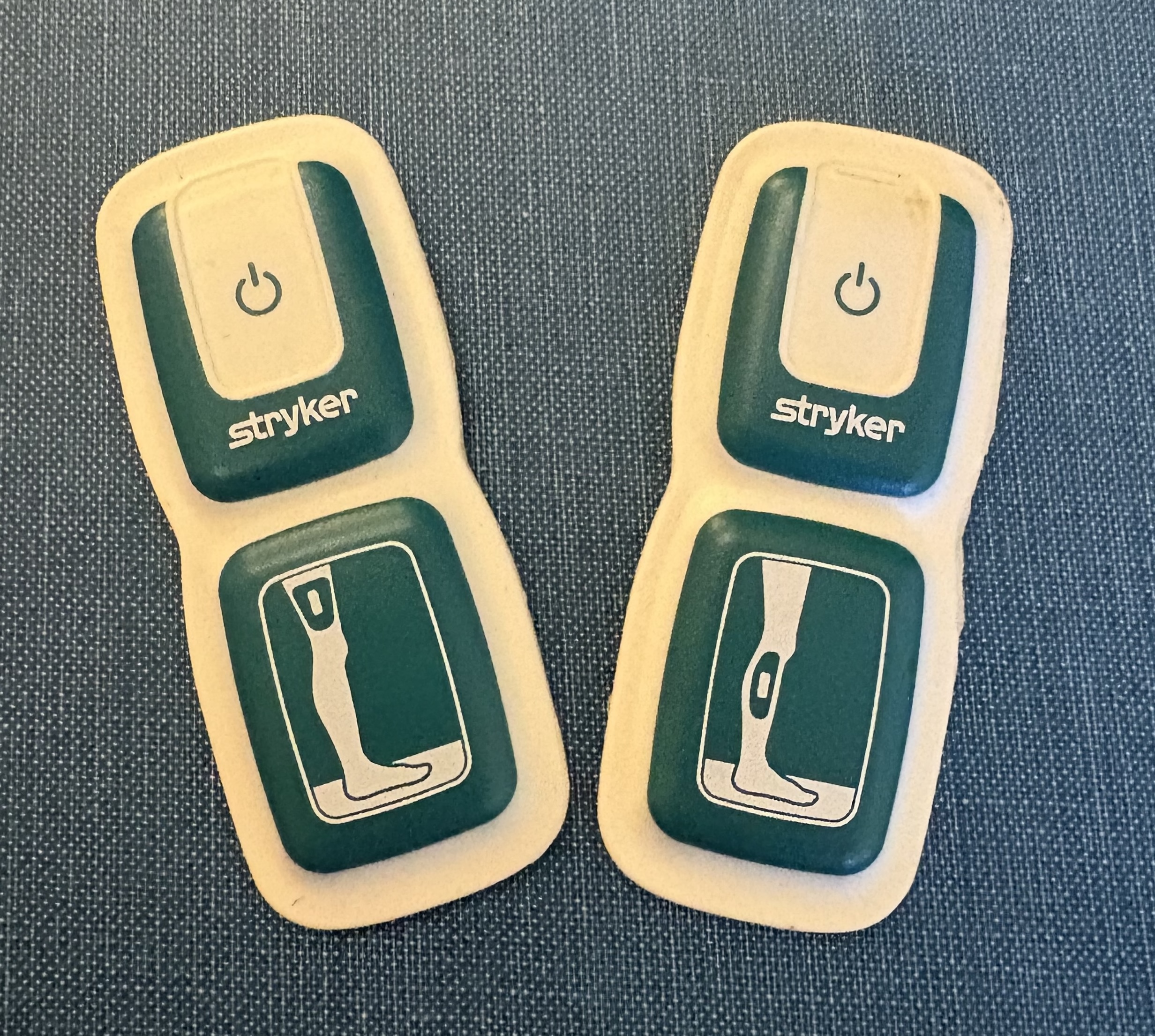
Other technologies for post-surgery monitoring include mobile applications, wearable sensors to detect mobility and temperature, small textiles and sensor-enabled smart homes, according to a press release on Chapman’s work from URI.
“Together, these technologies hold promise for more personalized, cost-effective strategies for comprehensive and patient-centered assessments that can inform tailored rehabilitation approaches, allow for near real-time assessment of patient outcomes, improve function, and promote earlier mobilization,” wrote Chapman and Astephen.
But there are several reasons why orthopedics has been slow to adopt electronic health technologies for remote patient monitoring compared with other medical fields, including the plastic breaking down inside of a patient, according to Chapman.
“Until that problem was solved, it didn’t make sense to spend lots of time, money, and energy on remotely monitoring patients. Moreover, when joint replacements failed, it was often multivariable,” Chapman said. Developing a technology to remotely monitor a variety of variables was challenging.”
Now, he says joint replacements last longer and patients can resume activities sooner. So, patients are choosing to have procedures at an earlier age and embrace technology.
“The average age of individuals receiving joint replacements is 65 to 75,” said Chapman. “This demographic was historically significantly less interested in using technology to track their progress after a surgery. Now, that age range is starting to come down and individuals receiving joint replacements are far more technologically literate and accepting. As a result, we are beginning to see increased use of these remote monitoring technologies.”
Still, Chapman and Astephen say many barriers need to be addressed, including inconsistent protocols, the need for clinical validation, costs and privacy concerns, reliance on patient compliance with the sensor as well as long-term data limits.
“Each of those problems require subtly different, but also interrelated solutions,” said Chapman. “For example, sensor compliance means we need patients to follow protocols to use the technology appropriately. This may require incentivization, which could vary from one person to another. One patient might have internal motivation, a second may be driven by what their doctor says, and a third may be driven by playing a rehabilitation game.”
Getting patients to use the technology usually means it needs better functionality and design. This could change the cost, how it is used in clinical settings and if insurers are willing to pay for the technology, Chapman said.
Costs for the technologies can range from hundreds of dollars to tens of thousands, making them difficult for patients to afford without insurance or reimbursement. Chapman says he hopes his research team’s work on the technologies will help patient outcomes and access to health care.
Katie Castellani is a PBN staff writer. You may contact her at Castellani@PBN.com.