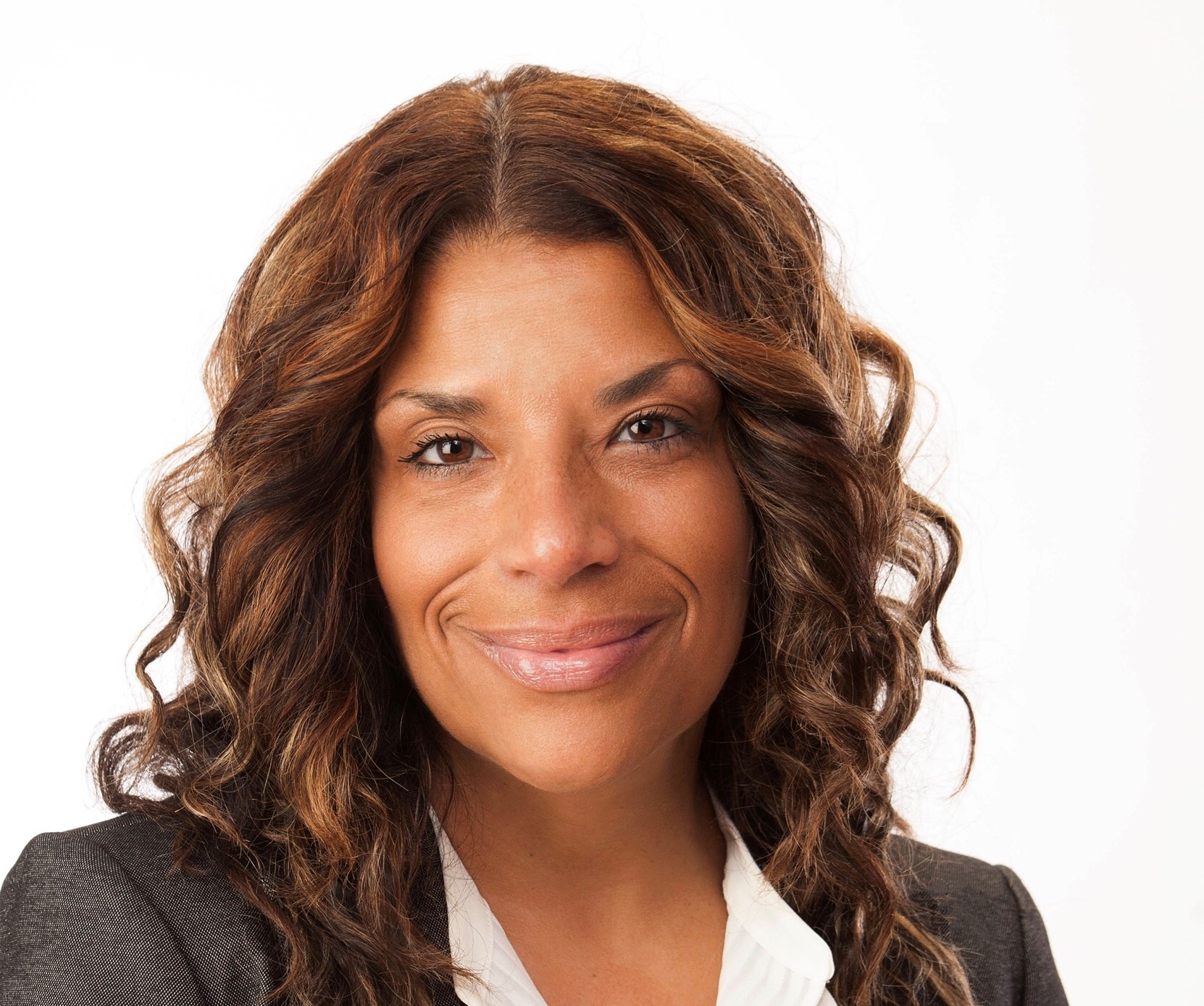
Tonya Harris is the executive director of the Rhode Island Coalition Against Domestic Violence. She discusses the COVID-19 pandemic’s role in a rise in domestic violence incidents across the state, where victims can find immediate help and strategies for coping or seeking help if isolated with an abuser.
PBN: What is the latest data that the Rhode Island Coalition Against Domestic Violence has on calls for help from victims of domestic violence?
Seifert Systems Invests in Energy Efficiency to Strengthen Operations
For manufacturers, energy is more than just another operating expense. It plays a critical role…
Learn More
HARRIS: We’ve seen a 29% increase in calls to the statewide 24-hour helpline and the RICADV member agencies’ hotlines in March, compared [with] March 2019. These calls represent individuals searching for advocacy and support for either themselves or someone they know who is being abused.
Nationally, we’ve seen increased calls and incidents of domestic violence being reported, and we expected to see the same here in Rhode Island. It’s important to know while we expected these increases, numbers don’t tell the full story.
Any decrease in calls to hotlines does not signify less abuse is happening – decreases can mean victims have less access to reach out for support while sheltering in place with an abuser. An abuser may have taken a victim’s phone or electronic devices, for instance, or the victim may not be able to safely call or use the online “chat” feature to speak with an advocate. Since Rhode Islanders are following mandates and guidelines to “stay home,” abusers may now have 24/7 access to a victim, controlling their daily life.
PBN: How is the COVID-19 health crisis contributing to these increases?
HARRIS: We are very concerned about victims and survivors during these unprecedented times. All Rhode Islanders may be feeling stress and anxiety during this pandemic. Folks are worried about their health and the health of their loved ones, have lost jobs or received pay cuts, or are worrying about how to pay their bills. We are being told to stay home to protect our health and the community’s health, but home is not a safe place for everyone, especially victims of domestic violence who are living with their abuser. For a survivor of domestic violence, these stressors are magnified. Survivors and victims of domestic abuse may be dealing with all of those challenges on top of barriers they already face, [such as] keeping themselves and their children safe, dealing with the violence that may be happening in their homes and being isolated with an abuser.
Domestic violence is all about power and control, and domestic abuse does not take a break. Abuse doesn’t start because of COVID-19, and stress associated with the pandemic is not what causes perpetrators to abuse. Abusers may be using the coronavirus, however, as another way to control their victims in a number of ways. Abusers might be telling victims they’re safer inside the abusive home than going outside, controlling survivors’ finances, or isolating survivors from family and friends.
PBN: What resources are still available for victims during this time?
HARRIS: All of our member agencies continue to provide services for survivors and victims of domestic violence and their families. We are here. We are open. We are meeting survivors’ needs and continue to provide services and support. Some services have transitioned to online platforms or telephone to follow CDC [Centers for Disease Control and Prevention] guidelines.
In many ways, our resources have expanded. Advocates are working tirelessly, whether through in-person services at our shelters or virtually, for services [such as] individual advocacy, safety planning and counseling for victims and children. We have posted centralized information about services and resources available to victims of domestic violence and their families during the COVID-19 pandemic on our website, www.ricadv.org.
We want people to know shelters are open, and court advocates continue to work with survivors to help them navigate through the court process. The Garrahy Judicial Complex [in Providence] and Noel Judicial Complex [in Warwick] are hearing domestic violence matters, including restraining orders.
The 24/7 confidential statewide helpline can be accessed by calling 1-800-494-8100, or by using the online “chat” feature found at RICADV’s website, www.ricadv.org. A “quick escape” button on the website clears browser history and redirects to Google.
As always, we urge victims in immediate danger to call 911. If you are unable to safely call 911, including an address in a text to 911 will alert first responders to your location. Police departments will continue responding to domestic violence calls during this public health crisis.
PBN: What is your advice for someone who may be stuck at home with someone who is threatening harm or actually hurting them?
HARRIS: Experiencing domestic violence is very stressful and scary, and sometimes victims may feel hopeless as they experience numerous barriers in the journey toward safety. If someone reading this article is experiencing domestic violence, we want them to know there are options and they are not alone.
Advocates can help create a safety plan and provide referrals. If someone is threatening to harm you or is hurting you, calling 911 or seeking a restraining order are options. If you are thinking of reaching out for support, know we are here 24/7. If you are in immediate danger, call 911. If you are unable to safely call 911, including an address in a text to 911 will alert first responders to your location.
We know domestic violence thrives in silence and isolation, and it is very difficult to end an abusive relationship, particularly in these unprecedented times. If you’re scared to reach out, ask a trusted member of your family, a friend, co-worker, or neighbor to help you get information.
PBN: Do you have an estimation on how many people in Rhode Island are experiencing domestic abuse but are not seeking help?
HARRIS: The data we track at the RICADV includes direct calls and outreach to the statewide 24-hour helpline and our member agency hotlines. In 2019 alone, 15,623 helpline/hotline calls were answered. Nearly 1 in 4 women and 1 in 9 men have reported having experienced contact sexual violence, physical violence and/or stalking by an intimate partner in their lifetime, according to the Centers for Disease Control and Prevention. We know abuse is also underreported, in part because of the many barriers victims face to reach out for support.
As a society, we often place the burden of abuse on the victim rather than the person who caused harm. We are hoping to change the conversation, to shift the lens on how we think about abuse. Rather than asking why survivors of domestic abuse “don’t just leave,” we must hold abusers accountable, instead asking, “Why does the abuser abuse?” to send a message that domestic violence will not be tolerated in our community.
Each survivor knows their situation best, and knows how to keep themselves safe best. For some survivors, reaching out for help may put them in more danger. Advocacy and systemic change to strengthen the safety net for survivors and changing harmful community norms are imperative to end domestic violence.
Elizabeth Graham is a PBN staff writer. She can be reached at Graham@PBN.com.