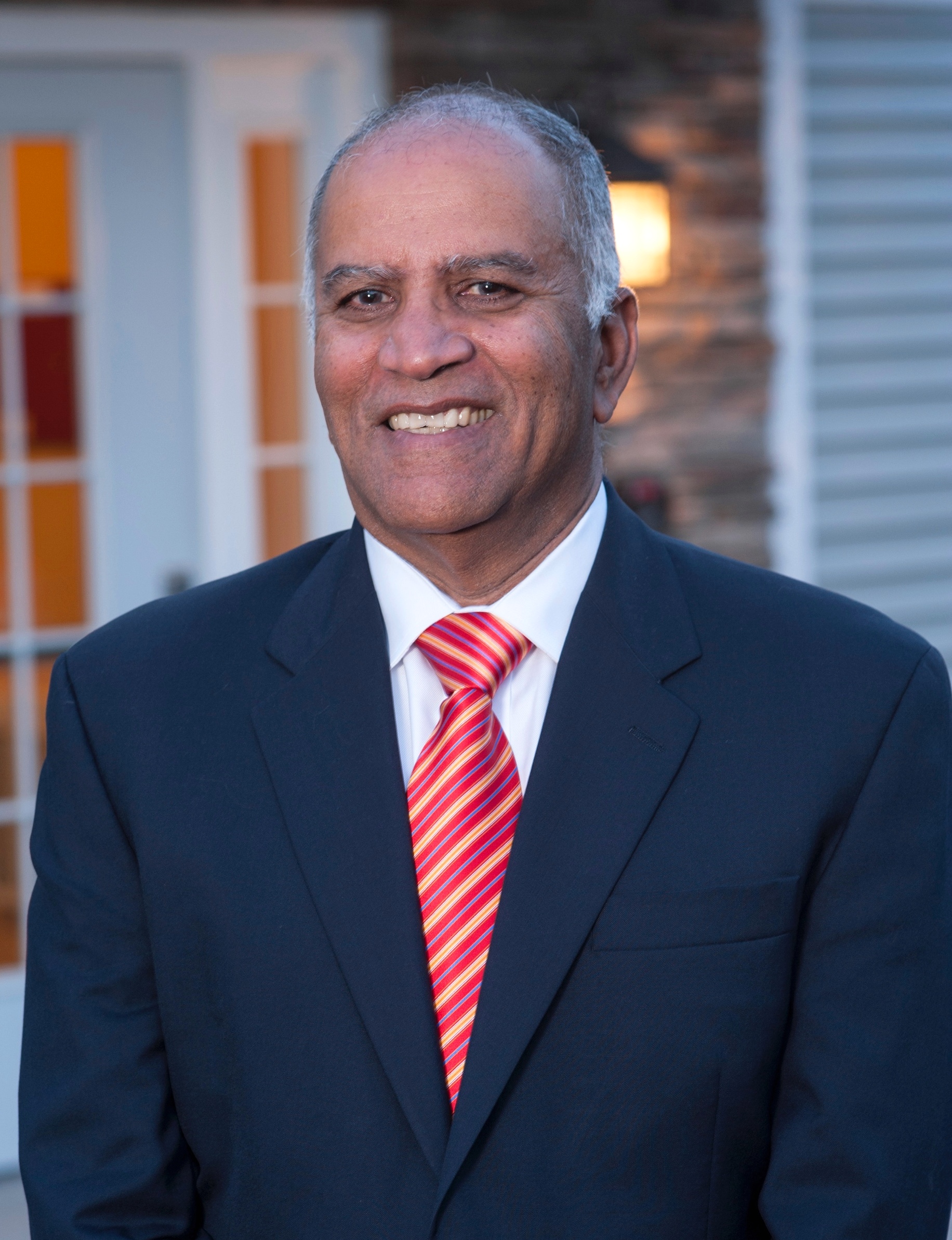
Akshay K. Talwar is the president of Briarcliffe, an award-winning comprehensive senior care and assisted living community located in Johnston. He serves on the boards of the Rhode Island Health Care Association and the Rhode Island Assisted Living Association and is President of the Visionary Healthcare Network, LLC.
Prior to his career in senior care, Talwar practiced as a CPA and attorney, as well as taught at the Zicklin School of Business in New York City.
Rhode Island's Market Has Changed. Developers, Builders, Investors and Sellers Must Change With It.
By Emilio DiSpirito IV License Partner | Engel & Völkers Oceanside Leader | The DiSpirito…
Learn More
He discusses Briarcliffe’s comprehensive care model and the recent opening of the Preserve, a new assisted living facility, on the Briarcliffe campus.
PBN: What was the motivation for designing Briarcliffe to offer living space for such a wide range of older adults?
TALWAR: The biggest motivating factor was a desire to keep families together. Since the Preserve at Briarcliffe – our new supportive independent and assisted living residence – opened in June, we’ve been successful in doing this for several families where each spouse had different care level needs. Another significant factor was to allow our residents to age in place. Having all of the services in one place, supportive independent living, traditional assisted living, rehabilitation and skilled nursing and memory care assisted living, provides our seniors and their families peace of mind. And that’s from listening to our community, who told us they didn’t want to be subjected to frequent moves as their care needs changed. The adjustment process can be very traumatic. We addressed those needs by designing and building different boutique residences that, together, offer the full continuum of care.
PBN: What sort of lifestyle can a potential resident expect at the Preserve?
TALWAR: Residents of the Briarcliffe Preserve can expect to live an elegant, catered lifestyle in an upscale home-like environment where they’re treated with respect and compassion, where their care needs are met, and where they can gracefully age in place. We’ve strived to create a stress-free environment where residents have peace-of-mind and control of their own lives; where they can pretty much do as they please and when they please to do it. The amenities at the Preserve include a Bistro, a restaurant-style dining option, private dining, library, gym, beauty shop, lounges, outside patios and decks, and walking path. And a full engagement calendar with trips and opportunities to socialize help to round out a graceful living experience. It also doesn’t hurt to be nestled in a quiet wooded area near the Almy Reservoir. The Preserve was built to be in a class of its own, and I’m especially proud of the openness and attention to detail that gives a potential resident a sense of living in a light, uplifting environment where all their needs are met.
PBN: From your perspective, is there anything that the state can do better to prepare to care for its aging population?
TALWAR: I think an important step would be for the state to establish a stronger public-private partnership with senior care industry to help define and then achieve long-term societal goals. Stronger industry partnerships can help enhance the delivery of care, streamline operations, and save money. Once this is truly accomplished, long-term planning for an aging population paired with the allocation of appropriate resources to meet those goals will be essential. It is always a question of priorities and resources. Rhode Island leads the nation in the percentage of “old” elderly. And demographic studies show there is a looming crisis where there’ll be an increased need for elder care services met with a reduced supply of services across the entire continuum of care – home health workers, memory care, and the like. These are important social issues that need to be addressed at the federal and state levels. Policies to encourage the creation of needed infrastructure to care for our elderly needs to be developed and implemented.
PBN: Do you think there are enough assisted living and skilled nursing facilities in Rhode Island to be able to handle the volume of older people in need of varying levels of support?
TALWAR: For today, yes. But for the future, no. According to a recent survey, only a small fraction of the country’s skilled nursing facilities is confident they can keep their doors open for the longer-term. More locally, Rhode Island’s nursing homes have declined in numbers, falling from approximately 110 a couple of decades ago to around 80 today – a trend that is likely to continue. And, official numbers from the state’s Planning Division indicate a significantly declining workforce from 2020 to 2040, while Rhode Island’s 65+ population increases sharply (as does the state’s 75+ demographic). Different sectors of the health care continuum are competing for the same dwindling workforce with an inevitable crisis of access to care looming on the horizon. I expect there to be a reduction in skilled nursing beds, expanding need for services, and a scarcity of workers in all sectors across mid- and long-term care.
PBN: How was the Briarcliffe campus affected by COVID-19, and will those effects be long-lasting?
TALWAR: Like all congregate care facilities in Rhode Island, we were not immune to the impact of COVID-19.
Our residents, staff and families were affected like everyone else, and I feel we’ve done exceptionally well coming through on what I hope is the other side. The dedication of our staff was tested and they came through with flying colors. Across all departments and disciplines, we saw true health care heroes in action.
With a strong sense of mission, we cared for our residents with everything we had – I am so proud of our strength of spirit and resolve. Our resident population is almost completely vaccinated together with a significant percentage of our staff. The turnaround came with the availability of the vaccine and treatments such as the monoclonal antibodies. For the longer term, yes, we anticipate some changes. But just as society learned to manage other diseases like influenza and polio, we will gradually get back to the life we were living.
Elizabeth Graham is a PBN contributing writer.