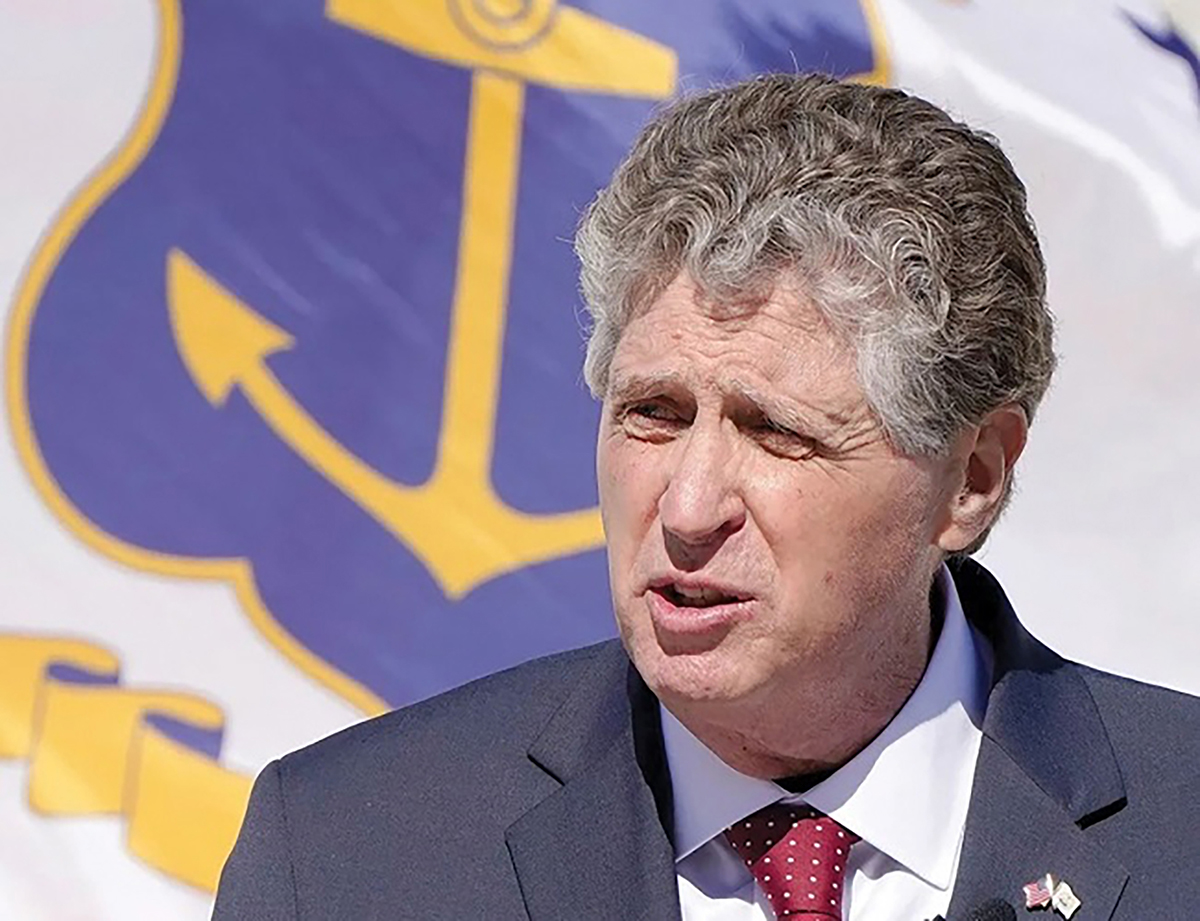
PROVIDENCE – Rhode Island businesses have been granted $50,000 in tangible tax relief thanks to a bill signed into law by Gov. Daniel J. McKee Thursday.
The tangible personal property tax, charged at the municipal level, is paid by businesses on property such as computer equipment, office furniture and equipment. The new legislation establishes a statewide exemption to all tangible tax accounts beginning in the 2024 tax year.
Seifert Systems Invests in Energy Efficiency to Strengthen Operations
For manufacturers, energy is more than just another operating expense. It plays a critical role…
Learn More
“As a former small-business owner, I know how much of a nuisance this tax is, and how unpopular it is across our state,” McKee said. “I’m glad we’re taking steps like this to make our state more economically competitive and more business friendly.”
The legislation will completely wipe out the tangible tax for 75% of Rhode Island businesses. Businesses with more than $50,000 worth of tangible assets would have to pay the tax on the assets above $50,000 but would still receive an equal amount of tax relief.
“This is a commonsense tax cut for small businesses, which will make it easier to do business in our state and incentivize entrepreneurs to invest in better equipment and technology,” said Lt. Gov. Sabina Matos. “With today’s bill signing, we’re one step closer to an economy where any Rhode Islander with the dream and drive to start their own business can succeed.”
The legislation also requires municipalities and fire districts to cap their tangible property tax rate at the level applied in fiscal year 2024. The tax cap would not apply in the case of municipalities and fire districts that utilize a uniform tax rate for all classes of property.
Since the tangible tax is levied at the municipal level, the state would reimburse each city, town and fire district annually, just as it does for revenue they lost from the phased-out vehicle excise tax.
“The tangible tax is both a financial and administrative burden for small businesses. Complying with it is complex, and it’s also an enforcement burden for cities and towns,” said Sen. Melissa Murray, D-Woonsocket. “Eliminating this tax for smaller businesses will give them genuine, much-needed relief. It’s a way our state can provide help for the small businesses that support our cities and towns, make our communities unique, and most importantly, employ Rhode Islanders.”