PROVIDENCE – More than 14 percent of mortgage loans in Rhode Island were either delinquent or in foreclosure during the first quarter of this year, the Mortgage Bankers Association reported Wednesday.
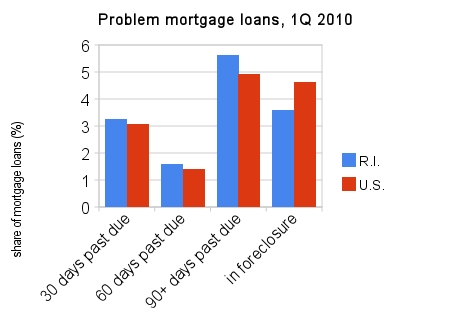
The association said 10.5 percent of the 136,682 loans its members serviced in Rhode Island were at least one payment delinquent – but not yet in foreclosure – in the three months ended March 31. The breakdown was 5.6 percent of borrowers three months or more behind, 1.6 percent two months behind and 3.3 percent one month behind.
Seifert Systems Invests in Energy Efficiency to Strengthen Operations
For manufacturers, energy is more than just another operating expense. It plays a critical role…
Learn More
In addition, another 3.6 percent of Rhode Island mortgage loans were in the foreclosure process during the quarter, the group said. A total of 9.2 percent of loans were “seriously delinquent,” meaning they were either in foreclosure already or at least 90 days behind on payments.
Rhode Island’s combined 14.1 percent rate of problem mortgage loans was the worst in New England and 12th-highest in the nation. Florida’s and Nevada’s combined rates were highest of all, at 25.3 percent and 24.4 percent, respectively, while Massachusetts’ stood at 12.2 percent. (The state figures are not seasonally adjusted.)
In one bit of good news, the association said Rhode Island, California and Florida had the three largest year-over-year decreases in the rate of foreclosures started during the first quarter.
Nationally, a record 14.7 percent of U.S. mortgage loans were either delinquent or in foreclosure during the quarter, with a seasonally adjusted 10.1 percent behind on payments and another 4.6 percent in foreclosure, the association said.
“Overall, we see a continuation of the pattern of declines in short-term delinquency rates, at least on a non-seasonally adjusted basis; the continued historically high share of delinquencies that are 90 days or more past due; and a leveling off in the pace of foreclosures,” Jay Brinkmann, the association’s chief economist, said in a statement.
Brinkmann also warned that the historic rate of loans going sour made it difficult to say whether seasonally adjusted or unadjusted figures were a better indicator of the state of the loan market. Unadjusted, the combined national rate of problem loans was 14 percent.
Additional information is available at mbaa.org.