A power company, a small-town government and two island summer residents walk into a hearing. Joining them are a wind farm developer, a trade union, an economic-development agency and an environmental group.
It’s not the start of a bad joke. They represent key interests before the R.I. Public Utilities Commission (PUC), as it mulls a first-of-its kind contract in the Ocean State between National Grid Plc and offshore wind farm developer Deepwater Wind LLC.
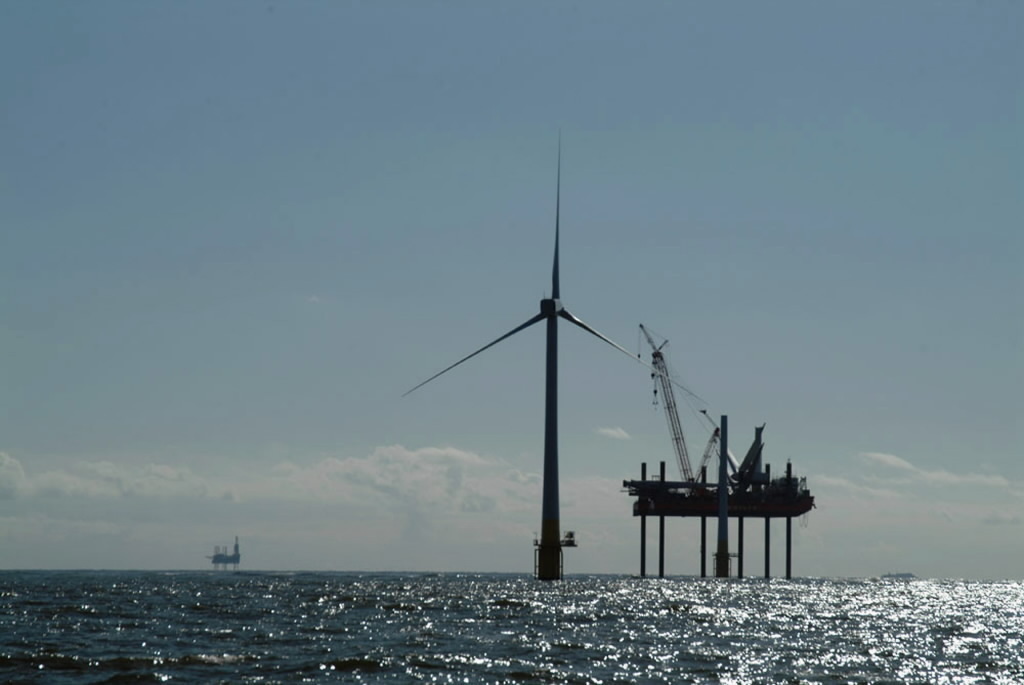
New Jersey-based Deepwater Wind wants to build a wind farm with eight turbines 3 miles off the coast of Block Island. National Grid agreed in early December to purchase electricity from the proposed farm, but the PUC must approve the negotiated price, which starts at 24.4 cents a kilowatt-hour during 2013, the first year of the contract.
As commissioners consider the contract, so-called interveners can submit testimony, cross-examine witnesses and review hearing materials. For the interveners, official seats at the table provide them a bully pulpit to advance their interests or simply remain close to the hearing, which the PUC says is the first of its kind in Rhode Island.
Interveners include New Shoreham, the R.I. Economic Development Corporation (EDC), the Conservation Law Foundation, the Block Island Power Co. (BIPCo), the Rhode Island Building & Construction Trades Council, and Michael and Maggie Delia, who are Block Island summer residents. Even Deepwater Wind is considered an intervener in the case.
“I’m very encouraged by the level of intervener activity because it means people are really seeing this as important and want their voice heard,” Deepwater Wind Chief Development Officer Paul Rich said. “I think it’s also critical to this project being viewed importantly, and it also helps validate this process.”
PUC spokesman Thomas Kogut said the number of interveners is unusual for a PUC case but not unprecedented. The number often “is in direct proportion to the breadth of the issues that are at play,” Kogut said.
David Graves, a spokesman for National Grid, said the utility was “not surprised by the number of interveners considering the importance of the case.”
The commission agreed with the council’s argument that it held a stake in the outcome because a wind farm could create thousands of jobs for its members.
“It’s a simple thing for us,” council President Michael F. Sabitoni said, explaining the need for a seat at the hearing table. “We need jobs, and I don’t see anyone else running around the state of Rhode Island and wanting to spend $1.7 billion.”
Deepwater says its Block Island wind farm will cost about $200 million, and a second, larger farm, will cost about $1.5 billion. Combined, it says the projects will create at least 800 jobs at an assembly plant in Quonset and possibly more as part of the actual installation and upkeep of the farms.
The potential economic impact of the project motivated the EDC to become an intervener. In its request, the EDC said it held a “special interest” in the outcome of the hearing. The agency said the case represented one piece in the state’s effort to grow the so-called green economy. The hearing marks the first time the EDC has formally inserted itself into a PUC case, EDC spokeswoman Meaghan Wims said.
The Block Island economy also has a lot at stake, New Shoreham Town Manager Nancy Dodge said. With no electric connection to the mainland, the island draws electricity from diesel generators. As a result, island customers pay some of the highest electricity rates in the country. Plans for the offshore farm include an electric cable connecting the mainland and island, but it remains unclear how much it will cost or who will pay for it. That information will come from a separate hearing and the town wants to make sure the PUC stays true to that process, Dodge said.
Dodge expects the town to spend at least a few thousand dollars paying lawyers and experts to sit in on the hearings or review the reams of filings. But Deepwater earlier this year offered to reimburse the town for its costs. The town took the developer up on its offer, despite rumblings from some residents that experts paid with Deepwater money would tilt their recommendations in favor of the developer. The Town Council was scheduled on Jan. 4 to discuss taking an official position on the wind farm.
BIPCo President Cliff McGinnes Sr. said he believed this case represented the first time BIPCo would be an intervener in a PUC hearing.
“We’re there to listen to all the different background behind it,” he said.
The Conservation Law Foundation is also looking for insight. Staff attorney Jerry Elmer said the group wants to see how the PUC utilizes the law that forms the underlying basis for the hearing. The CLF helped craft that law and has lobbied the PUC to support long-term contracts with renewable energy providers like the one proposed. CLF says long-term contracts provide the necessary capital to build the systems. And CLF said an official seat at the table is necessary to make sure long-time contracts are carefully considered.
That could explain why Block Island summer residents Michael and Maggie Delia felt the need to hire an attorney and join the hearing. The couple, which did not immediately return calls seeking comment, said in their filing to the PUC that they feared the project would drive up their electric prices.
All the interveners requested to join the case in October. Since then, only Deepwater has filed formal testimony in the hearing that is expected to last through March. •