
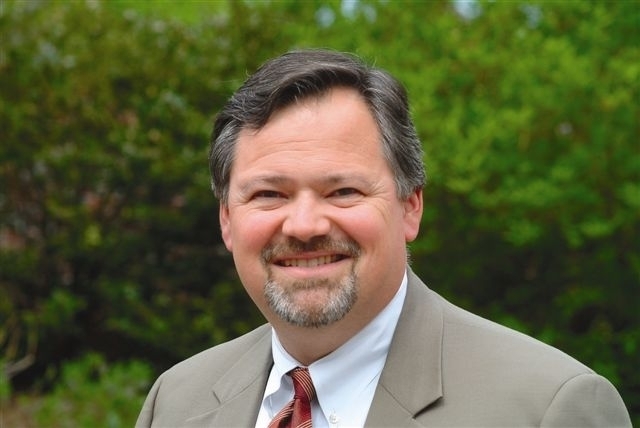
Few Rhode Islanders are as influential in elder care as Richard E. Gamache, administrator of Elmhurst Extended Care in Providence for the last 10 years, and until recently, president of the Rhode Island chapter of the American College of Health Care Administrators.
A 28-year veteran of the industry, Gamache has been a vocal advocate for nursing homes amid budget cuts that threaten their financial viability, but he’s also an ardent supporter of nursing home culture change – an effort to reshape the homes to give seniors freedom and dignity.
Last month, at its annual convocation and expo in Providence, the ACHCA gave Gamache its Distinguished Administrator Award, singling him out among more than 16,000 of his peers.
Gamache answered questions about elder care and the Eden Alternative model that he has brought to Elmhurst.
PBN: You’ve been at Elmhurst for 10 years, and in the industry for almost 30. What brought you into nursing homes, and what keeps you there?
GAMACHE: I have been an administrator since 1986, and worked in nursing homes for five years before that. My undergrad degree is in history, and I had interviewed Holocaust survivors who were living in nursing homes. I took a job working part-time in an activities department, and I became hooked. What keeps me going is that elder care is a just cause. It is worth fighting for, and working to get it right. I also enjoy the challenge of reinventing the nursing home, which is how Elmhurst became an Eden Alternative home.
Beyond Cash Donations: How New Forms of Giving Are Transforming Not-for-Profit Accounting
Evolving Funding Landscape for Not-for-Profits Not-for-profit organizations are being asked to do more with less,…
Learn More
PBN: Tell me about the Eden concept. What are the fundamental principles of it, and how do they differ from standard practice in nursing homes?
GAMACHE: The Eden Alternative is a philosophy of elder care that originated with a Harvard-trained geriatrician named Dr. William Thomas in the 1990s. Dr. Thomas recognized that elders in nursing homes were suffering from loneliness, helplessness and boredom, which were largely untreated in medical, institutional settings. In institutional nursing homes, elders are typically lined up across from nurses’ desks, or left in a day room in front of a television. Eden homes emphasize quality of life and believe that every elder matters. Nursing homes that adopt the Eden philosophy concentrate on relieving this pain through loving companionship, providing opportunities for elders to give as well as receive care, and emphasizing variety and spontaneity in everyday life.
PBN: How long has Elmhurst been taking that approach, and how well can you do that in a building that wasn’t designed for an Eden model? What are some of your bigger challenges?
GAMACHE: Elmhurst began to embrace Eden seven years ago. As far as our space goes, the Eden philosophy has less to do with physical location, than it does with the complete embrace of the philosophy by the elders, caregivers and family members. Our philosophy puts elders first, so they decide when to wake up, when to eat, and are given control over dozens of other daily decisions that we all take for granted. For example, we accommodate the schedules of elders rather than wake everyone up at 6 a.m. for pills because that is most convenient for staff. Our biggest challenge is the continuing struggle with funding cuts, as state and federal budgets have reduced reimbursement to nursing homes by millions of dollars over the past couple of years.
PBN: Do you think nursing home culture change, as it’s happening in Rhode Island right now, can make a real improvement in elder care?
GAMACHE: Nearly every nursing home in Rhode Island is engaging in some culture change. Clearly, some are ahead of others. A common mistake is that organizations invest in physical plant modifications but fail to change the mindset of managers or staff. So the floor plan may be more functional, but it still is operated like an institution. The best way to start culture change is to involve the elders and employees from the very beginning, so they are invested in and own the philosophy.
PBN: You are already a pretty respected and well-known member of the long-term care community here, and now you’ve won this national award. How do you think you can use your voice to help steer your industry in the direction you think it should go?
GAMACHE: Educating the public as to what is available is important, so that they can become drivers of positive change. It is critical that everyone who has a stake in issues of aging work together to shape public policy. However, I think we have a significant societal problem that needs to be addressed: We do not value our elders. Ageism is real and rampant. It is reflected in legislative funding decisions, and our communities are missing out on a very valuable resource: our elders. A community that values its elders is a healthier, kinder, more compassionate community. Elders can teach us so much, even those who are very ill or frail. From them we learn patience, gentleness, tolerance and a whole range of character attributes that are disappearing from our society.












Rick Gamache is a true community resource, a competent business person and visionary leader. Policy makers are well served taking his views very seriously.
It’s a pleasure to work with someone who is so passionate about elder care. Rick has done an incredible job of leading his team at Elmhurst despite cuts in funding that hit nursing homes every year.