Finding the snazziest of centerpieces, most desirable caterer or the perfect destination are just a few of the many tasks that must be accomplished in planning a flawless company meeting.
As a result, more companies are seeing the benefits of hiring a full-time staffer to handle travel and meeting details in-house, although many businesses find it easier to outsource it all.
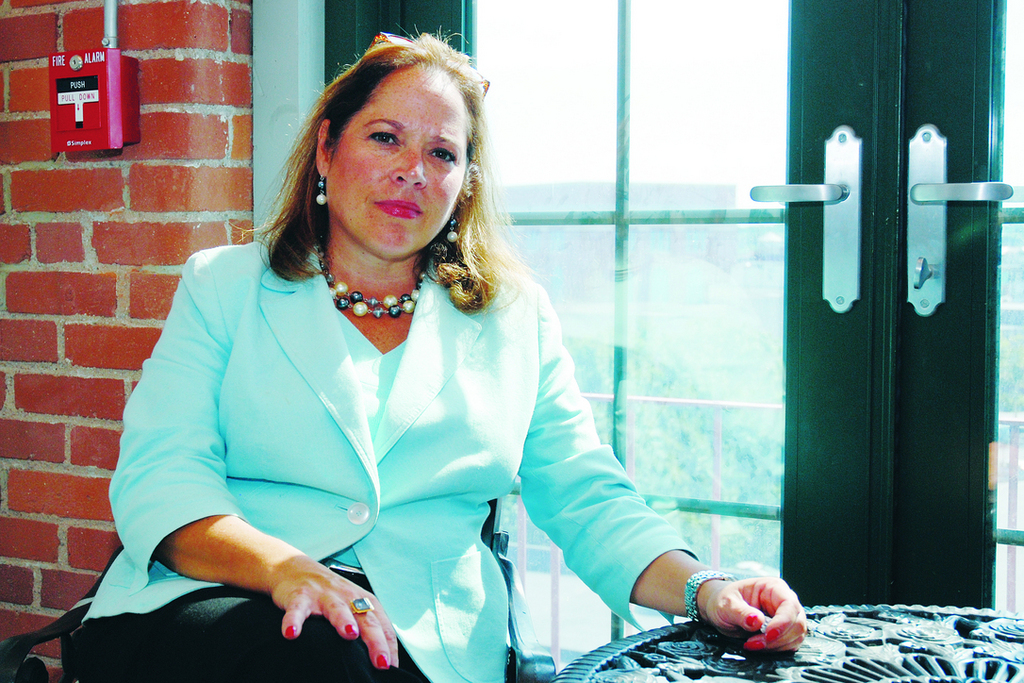
You need to find the right fit for your business, according to Charlene Chaplinski, who has been handling travel and meeting arrangements for Barnes Group Inc., a Bristol, Conn.-based manufacturer of aerospace products, for nearly three decades.
“If a company has enough meetings and has a budget, you should have your own in-house planner,” she said.
One advantage to having an in-house planner, she said, is they will know the company best and will know what kind of message needs to come across in the meeting.
“Large companies almost always need to have an in-house event coordinator,” said Richard Carbotti, owner of Perfect Surroundings Inc. in Newport.
Small companies with one or two events or meetings each year, on the other hand, can contract with a local travel agency to handle all travel details and contact local resorts, hotels and conventions that have personnel on staff to help in the planning.
“If you are small company, you can handle it by outsourcing it,” said Carbotti.
Businesses also can tap the International Special Events Society or ISES, an organization comprising more than 4,000 professionals in 35 countries in the special events industry.
For Barnes Group, which has several local and long-distance meetings each year, no meeting is a carbon copy of the next, so once in a while it does not hurt to get a fresh idea, according to Chaplinski. When she feels a need for a new idea, she taps outside planners such as destination management companies or DMCs, which can be useful when an event is scheduled for a location that isn’t already known to the planners. DMCs act as general contractors, functioning as the designer of the program as well as the organizer.
Newport Hospitality, a DMC in Newport, said that although what it does is not rocket science – in fact, many functions that it coordinates could have been handled by its clients for less money – companies choose the firm for its knowledge of the area, its vendor relationships and its design skills.
“We have local trained staff to provide meet-and-greet service, and they know the players and can get things done,” said Laurie Stroll, Newport Hospitality’s owner and president.
Buying power also factors into the equation, according to Stroll, because DMCs work with a number of local venues each year. DMCs also offer insurance coverage and only work with vendors who have liability insurance that is extended to clients.
Sharon Sullivan, president of Sullivan Custom Planning in Providence, said it is a luxury for a company to have an in-house planner.
“A majority of companies outsource this,” she said. “You’ll see more of a trend for companies to outsource event planning to a company like mine to handle all of the components.” •