A proposed banking regulation that one federal agency says will save Americans $5 billion a year in overdraft fees is facing strong opposition from the financial services sector, including from a group that represents banks in Rhode Island.
The rule from the Consumer Financial Protection Bureau aims to cap overdraft fees at $5 for large financial institutions – those with assets exceeding $10 billion – or require these banks to align fees with actual costs and losses.
But banking groups such as the American Bankers Association and state associations such as the Rhode Island Bankers Association have raised objections, saying that limiting overdraft fees would force banks to reduce or eliminate overdraft protections, and it could lead to higher costs elsewhere.
The rule, which was finalized in December, is set to go into effect on Oct. 1.
But further complicating the rule’s future is President Donald Trump’s freeze on most CFPB activities. Treasury Secretary Scott Bessent has ordered a halt to the bureau’s enforcement actions and implementation of new rules.
Meanwhile, the Center for Responsible Lending, a nonprofit research and policy organization, has come to the defense of the CFPB’s rule.
Nadine Chabrier, the center’s senior litigation and policy counsel, says the rule would protect bank customers from what she says amounts to needless fees.
“This rule has the potential to save millions of dollars for people in the state,” Chabrier said. “It costs banks pennies to allow overdraft transactions to go through, but they charge upwards of $35. What it really comes down to is this: Do you want to side with banks? Or regular, working-class people?”
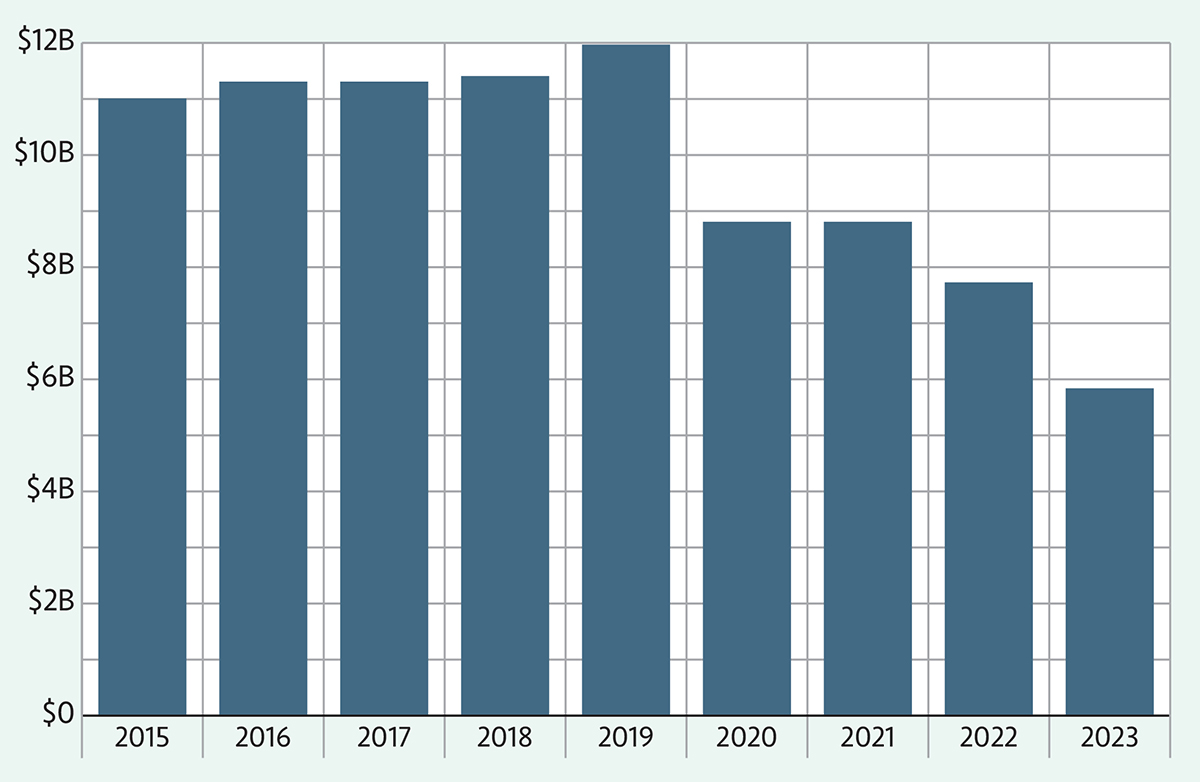
Overdraft fees have long been profit drivers for banks, earning them more than $9 billion and $10 billion a year, according to advocates for the fee restrictions.
The Rhode Island Bankers Association was one of 52 state banking associations, including the D.C. and Puerto Rico bankers associations, to sign onto a Feb. 14 American Bankers Association letter to congressional leaders calling for a repeal of the CFPB’s overdraft rule. For their part, the banking associations believe they have a majority of consumers that agree with them on repealing the rule, citing an ABA consumer poll that found 69% of consumers would prefer to have access to overdraft protection, regardless of the fee.
“Overdraft protection services provide a needed form of short-term liquidity for millions of consumers who ... ‘opt-in’ to use the product to cover emergency or unexpected expenses that overdraw their accounts,” according to the letter, which also accused the CFPB of overstepping its authority.
The Rhode Island Bankers Association could not be reached for comment.
A check of local banks shows that some overdraft fees range between $30 to $35, while others are half that amount. Bank of America Corp.’s fee is the lowest at $10, while there’s a $15 fee at Santander Bank and The Washington Trust Co.
Most local banks declined to comment about opposition to the rule. Washington Trust issued a statement referring to a recent ABA consumer poll that found “8 in 10 consumers [79%] who have paid an overdraft fee in the past year were glad their bank covered their overdraft payment, rather than returning or declining the payment.”
There’s a lot of money at stake when it comes to the future of the CFPB rule.
The latest overdraft data for the year 2023, which was released last year, actually showed a 51% decrease in banks’ and credit unions’ overdraft fee profits compared with 2019. However, consumers still paid nearly $6 billion in overdraft fees in 2023 alone.
Although the CFPB’s overdraft rule offers banks several options in offering their customers overdraft protection, none of them help banks’ bottom lines.
The banks can cap those overdraft fees at $5 compared to the current industry average overdraft fee of $35. Or the banks can offer overdraft as a courtesy by charging a fee that covers no more than costs or losses, without a fee. Lastly, banks can continue to extend profit-generating overdraft coverage, but only if they treat the payment of an overdraft as a loan while explicitly disclosing any applicable interest rates.
The rule only applies to banks with at least $10 billion in assets, which most Rhode Island banks do not have. However, the ABA and Rhode Island Bankers Association claim competitive pressure from larger banks forced to adhere to the overdraft rule will in turn compel smaller banks to follow.
Meanwhile, major legislative efforts are being made to defund the CFPB, which was created to protect consumers after the subprime mortgage implosion and financial crisis in 2008.
Sen. Ted Cruz, R-Texas, introduced the Defund the CFPB Act on Jan. 29, calling the board an “unelected, unaccountable bureaucratic agency that has imposed burdensome and harmful regulations on American businesses, banks, and credit unions.”
The CFPB has remained on the stop-work order since February. On March 3, a federal judge upheld a pause on mass firings at the agency as she reviews accusations that President Donald Trump is trying to “completely shut it down.”
The CFPB’s new acting director, appointed by Trump last month, filed a motion after his appointment to delay the overdraft rule’s start date from the originally planned Oct. 1 to Dec. 30.
Banks have previously sued the CFPB over overdraft rules and caps on credit card late fees. Congress also has the ability to challenge or overturn the rules.
The Consumer Bankers Association filed the lawsuit in December to stop the overdraft rule. The CBA was joined by the American Bankers Association, the America’s Credit Unions trade association, the Mississippi Bankers Association, and other banks. The group claims that the CFPB is exceeding its regulatory authority with the new rule.
The complaint was filed in the U.S. District Court for the Southern District of Mississippi, Northern Division. CBA and its co-plaintiffs are also seeking a preliminary injunction barring the CFPB from implementing the new rule until the court makes a final decision on the merits of the case.
A federal judge granted permission for consumer advocacy groups, such as MyPath and the Mississippi Center for Justice, to intervene, allowing them to defend the CFPB’s rule. That decision stemmed from concerns that the CFPB, under new leadership following the recent change in administration, might not robustly defend the rule.