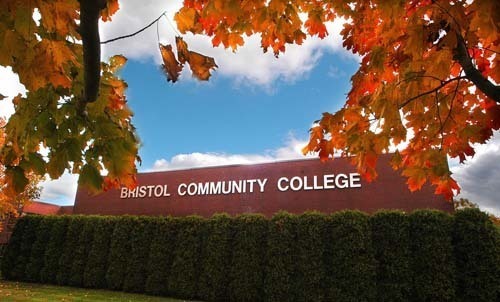
Massachusetts is boosting efforts to transform Fall River’s economy with $26.5 million for construction of a new technology center at Bristol Community College, a project fueled by the school’s soaring enrollment.
“Fall River is in the process of transforming itself, just as Providence did in the ’70s and ’80s, and Pittsburgh did in the ’80s and ’90s, and this fits in perfectly with the plans now under way to create a diversified, sustainable economy,” said Robert Mellion, president and CEO of the Fall River Area Chamber of Commerce. “The students coming out of Bristol Community College will be prepared for the kind of jobs we’re bringing to the region.”
College President John Sbrega notes that while the project will create a number of short-term construction jobs, that’s hardly the measure of the boost it will give the region. “The real economic impact is in the education of our citizens,” he said. “And I don’t mean simply training the work force, but also for what it will contribute to the quality of life in our region.”
The technology center will provide new lab space for health and science and allow the school to centralize its computer labs, freeing up space elsewhere on campus for use as classrooms. As yet, the project is still in planning stages, but a site has been selected between the school’s engineering and business-technology buildings.
The campus project is included in Gov. Deval L. Patrick’s five-year capital investment plan announced in November. This year the school will receive $75,000 for a need study by the state’s Department of Capital Asset Management.
That review will determine the size and scope of the new building. School officials expect the new technology center will provide 46,000 feet of floor space.
“The money’s been appropriated for this year, and with the commonwealth’s budget problems, that was good to hear,” said Steven Kenyon, the school’s vice president of administration and finance. “The state is committed to this project.”
School officials say Bristol Community College desperately needs the space.
Enrollment has climbed 60 percent over the past 10 years. To ease the classroom crunch, the college has already opened satellite campuses in Attleboro and New Bedford and also offers online courses. The school has also divided classrooms in half, and this semester more courses were scheduled for early morning and late afternoon.
One recent study estimated the campus needs another 55,000 square feet of classroom space. The new technology center is expected to create 46,000 square feet. School officials say they’ll be able to maximize that space by consolidating computer labs.
“We have the greatest need for classroom space of all the community colleges,” Sbrega said. “With the increased capacity, we won’t have any difficulty accommodating everyone who will want to be here,” he said. “The new building will be state of the art and provide the high-quality instruction that our students will need.
“We grew by 10 percent this year, from 3,200 full-time students to 5,500,” Sbrega continued. “We have 9,000 students total; last year, that figure was about 8,000. … Students have come to the realization they can get a first-rate education at Bristol Community College, and it’s very affordable.”
“This project will take advantage of every sustainable method of construction that’s practical and reasonable,” he said. “That’s the tone we’ve set for all our projects at the college. We just opened a welcome center, and we can point to a lot of features that showcase those principles. The floor is made of recycled tires; the rugs are made of 100 percent recycled materials. The technology center will continue in that direction.”
Mellion predicts the new campus building will help push efforts to reshape Fall River’s economy. “Anything that broadens what’s available at Bristol Community College can only strengthen our economy,” he said.
Fall River was once nicknamed “Spindle City” in tribute to the many bustling mills. These days, many of those buildings stand empty. The city has developed a broad plan to revitalize business in the area. The Fall River Industrial Park is being extended to include space for new biotechnology businesses, and tax incentives are available for those who revitalize vacant mill buildings.
Plans are under way to take down highway ramps and other infrastructure that block views of the waterfront, and create a district for trendy shops and restaurants. And an effort is under way to uncover the Quequechan River’s dramatic falls – which are now routed through underground conduits – and use the rushing waterway to provide alternative, cheap energy for businesses. •