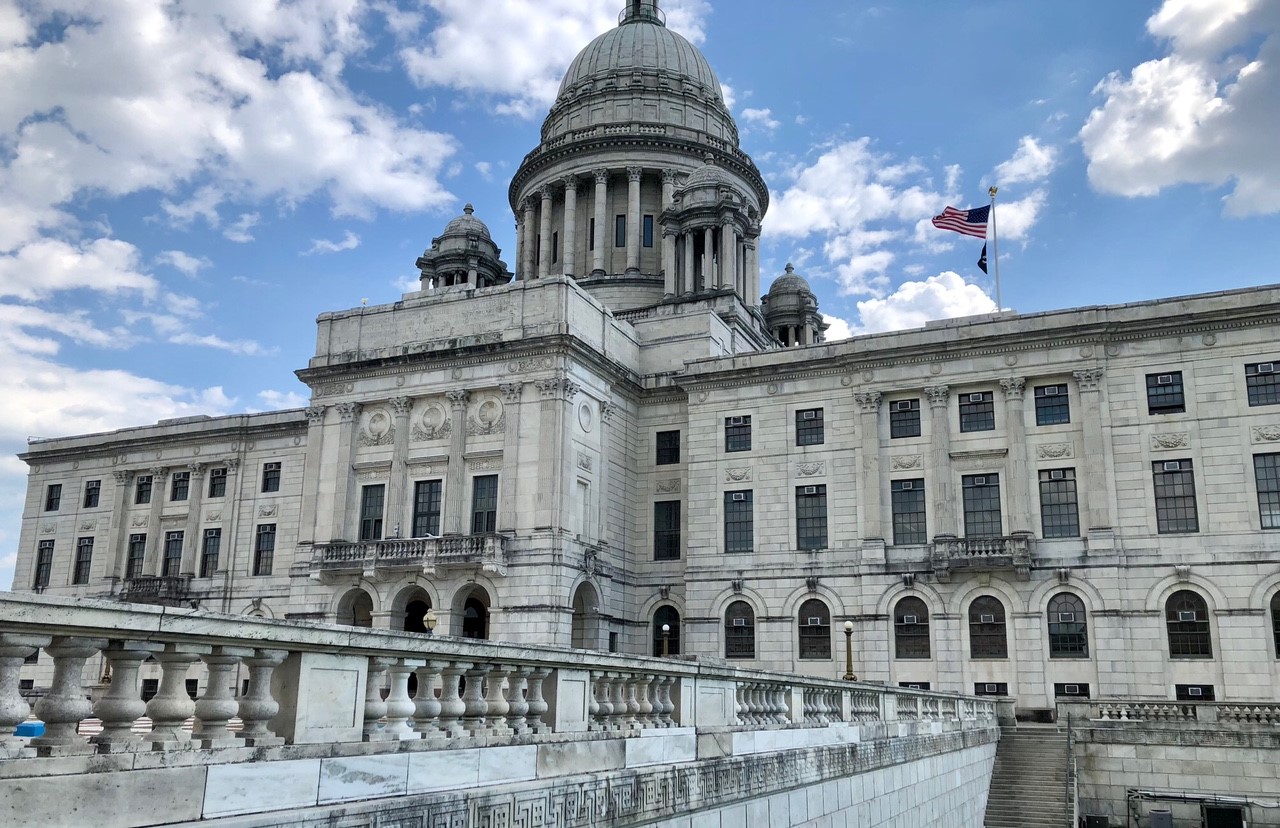
PROVIDENCE – A bill authorizing “harm reduction centers,” or places where people can use drugs under the supervision of health care workers, has passed the General Assembly and is now headed to the governor’s desk.
The legislation (2021-H 5245A, 2021-S 0016B) proposes a two-year pilot program to establish the centers.
Your Business Has Gone Global. Has Your Insurance?
A decade ago, “doing business internationally” was mostly a large-company concern. Today, a manufacturer in…
Learn More
Rep. John G. Edwards, D-Tiverton, and Sen. Joshua Miller, D-Cranston, introduced the measures.
If Gov. Daniel J. McKee signs the bill into law, Rhode Island will be the first state in the U.S. to authorize such a program.
Centers will require the approval of the cities or towns where they are to be located.
“The opioid epidemic has become a tremendous public health crisis, with overdoses of prescription and nonprescription opioids claiming a record number of lives,” Edwards said. “Not only do harm reduction centers severely mitigate the chance of overdose, they are a gateway to treatment and rehabilitation of people with substance abuse disorder. These locations will be under the supervision of trained medical staff who can direct addicts toward substance use disorder treatment.”
The program aims to save lives, as well as offer a chance at recovery, Miller said.
“People who are addicted need help and protection from the most dangerous possibilities of addiction. Having a place where someone can save them from an overdose and where there are people offering them the resources they need for treatment is a much better alternative to people dying alone in their homes or their cars,” he said. “Especially as overdose deaths have climbed during the pandemic and fentanyl-laced drugs continue to pose a lethal threat to unwitting users, we could prevent needless death and turn lives around with a program like this.”
Elizabeth Graham is a PBN contributing writer.