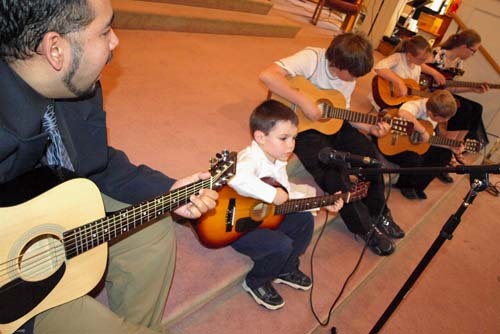
Arts and music, we’ve known for years, can do wonders for kids. They can draw out a shy child, uncover new talents in a low achiever, offer a safe haven for a troubled kid – and provide a creative outlet and a chance to build friendships for all.
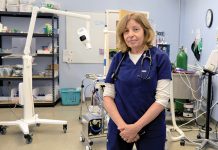
For a child with serious disabilities or mental problems, the positive impact can be at least as great, said Margaret Paccione-Dyszlewski, director of behavioral education at Bradley Hospital. But most programs just aren’t prepared to serve them.
Special-needs kids require extra attention, and staffing may be limited. And the staff may lack the expertise to work, say, with an autistic child, or one with major developmental disabilities.
A new partnership between Bradley, the nearby Riverside Family Center and the National Inclusion Project aims to change that by creating a model for inclusive programs.
Riverside offers AfterSchool with the Arts, licensed by the R.I. Department of Children, Youth and Families to serve 5- to 13-year-olds, and eligible for state subsidies for low-income families.
Supported by a $12,500 NIP grant, Bradley behavioral-education experts will train Riverside’s staff on how to integrate children with highly special needs into the program’s wide range of arts and music activities, so they can learn and have fun with typically developing children.
Over the summer, the project will recruit students from East Providence, at the Bradley School – which serves children and teens with substantial special needs – and beyond, so they can start in September, with the new school year.
“There are lots of kids who could benefit,” said Paccione-Dyszlewski. And it’s a big step forward for inclusion, she added, and a huge help for families that “struggle” to find after-school activities for their special-needs children.
“This partnership moves a significant step toward providing a place where any child can learn and play, regardless of their abilities or needs,” she said. Being able to interact with typically developing children in an inclusive setting “where they feel valued and welcomed,” she added, will benefit the special-needs children socially, emotionally and behaviorally.
For Bradley, the project is valuable in building community relationships and in ensuring that the children it serves have the resources they need outside the hospital, Paccione-Dyszlewski said. Riverside has a “very specialized” after-school program that is well-suited for this, she added, and it’s compatible with Bradley’s approach, which focuses on teaching children resiliency.
The site choice is also convenient – right down the street – and in a high-need area: According to Rhode Island Kids Count, 26 percent of East Providence children are in special-education programs, the highest share in the state. The Rhode Island average was 18 percent in 2007-08.
Jessica Clark, director of AfterSchool with the Arts, said Riverside already serves many special-needs children, about 24 percent of total enrollment. But they’re children with, at most, “moderate” special needs, she said; the program doesn’t have the staff to serve children with special medical needs or significant disabilities.
Some of the logistics are still being worked out, both women said, such as whether new staff will be hired at Riverside, or whether Bradley staff, who’ll be helping out, will be enough. But either way, Clark said, parents won’t be asked to pay extra for their special-needs children. •