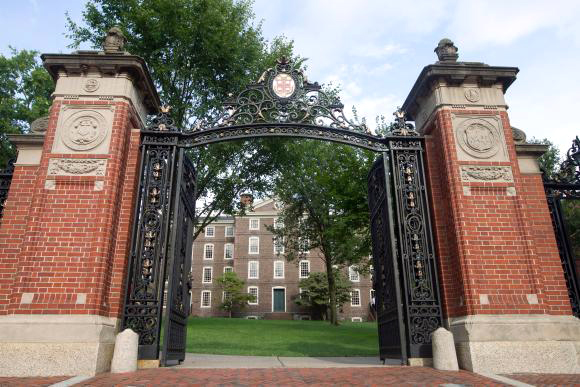
PROVIDENCE – The Cancer Center at Brown University has officially been established, the university announced this month.
With 150 researchers and more than $40 million in funding, the center includes programs focusing on cancer biology, cancer therapeutics and population science. Other smaller groups are intended to zero in on specific cancer types.
ISO 9001:2026: A Practical Opportunity to Build for What’s Next
For Rhode Island manufacturers, ISO 9001 has been much more than a certificate on the…
Learn More
The center, set up to facilitate both research and clinical trials, is an offshoot of the Joint Program in Cancer Biology, created in 2018 as a collaboration between Brown and Lifespan Corp.
Dr. Wafik S. El-Deiry, associate dean for oncologic sciences, was appointed director of the Cancer Center.
“By bringing programs from across campus and the affiliated hospitals together, we can highlight existing strengths, forge new collaborations and eventually tap into significant extramural resources, while addressing the cancer burden in Rhode Island and throughout the world,” El-Deiry said.
The center benefits from a network of connections with Lifespan and Care New England Health System, both of which share research and clinical knowledge gleaned from the treatment of thousands of cancer patients each year.
Lifespan alone cares for 4,000 newly diagnosed cancer patients annually, according to Brown, which is affiliated with the health system’s hospitals.
Although the new cancer center was created to address the disease on a national level, much of its research is expected to benefit Rhode Islanders, El-Deiry said.
“We have special interests in cancers with higher rates in Rhode Island, such as bladder cancer, lung cancer, breast, thyroid and skin cancer, as well as issues of access to care and affordability of care within our population,” he said. “And now we have added barriers to optimal cancer care due to COVID-19 that we are working to improve.”
Elizabeth Graham is a PBN contributing writer.