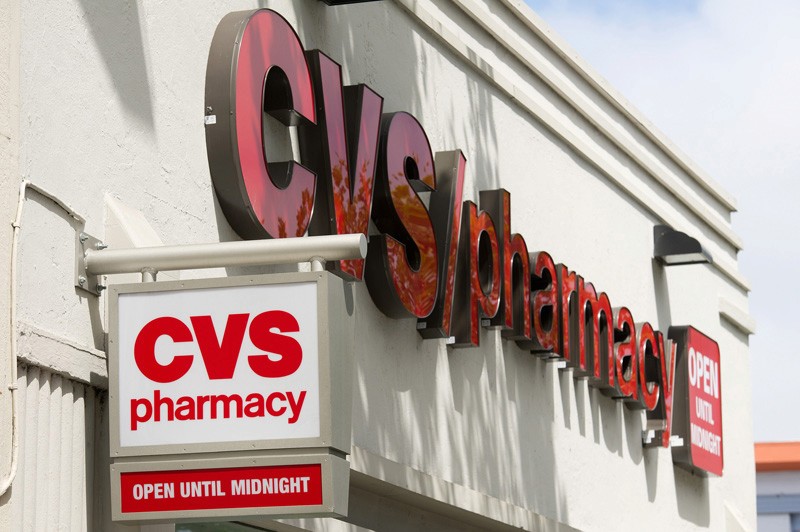
PROVIDENCE – CVS Health Corp. was sued by a California woman who accused the drugstore operator of charging customers copayments for certain prescription drugs that exceed the cost of medicines.
CVS, the largest United States pharmacy chain, overbilled consumers who used insurance to pay for some generic drugs and wrongfully hid the fact that the medicines’ cash price was cheaper, Megan Schultz said in her Aug. 7 lawsuit. Schultz said in one case she paid $166 for a generic drug that would have cost only $92 if she’d known to pay cash.
Your Business Has Gone Global. Has Your Insurance?
A decade ago, “doing business internationally” was mostly a large-company concern. Today, a manufacturer in…
Learn More
CVS “remained silent and took her money” because the chain was in cahoots with the pharmacy benefit managers who got the extra co-pay money, she said in the suit. The “clawbacks’’ of Schultz’s generic-drug copays were made under CVS’s agreements with benefit managers, such as Express Scripts Holding Co. and CVS Caremark, according to the suit filed Monday in federal court in Rhode Island.
“CVS, motivated by profit, deliberately entered into these contracts, dedicating itself to the secret scheme that kept customers in the dark about the true price’’ of drugs they purchased, Schultz’s lawyers said in the suit, which is seeking class-action status.
Copay policies
CVS officials rejected Schultz’s claims and said the copays are determined by the benefit managers. “The allegations against us made in this proposed class action suit are built on a false premise and are completely without merit,’’ CVS spokesman Michael DeAngelis said Tuesday in an email.
The CVS lawsuit follows at least 16 other suits around the U.S. targeting drugstore chains’ copay clawback practices. The clawback occurs when patients hand over copayments set by a pharmacy benefit manager that exceed the actual cash cost of the drug. The benefit managers pocket the difference.
Suits have been filed against UnitedHealth Group Inc., which runs the benefit manager OptumRx; Cigna Corp., which contracts with OptumRx; and Humana Inc. They allege the benefit managers defrauded consumers and violated federal laws.
Most patients never realize there’s a cheaper cash price because of clauses in contracts between pharmacies and benefit managers that bar the drugstore from telling people there’s a lower-cost way to pay.
Some states, such as Connecticut, have passed laws prohibiting clawbacks. Connecticut’s statute, which goes into effect in January, will allow pharmacists to tell patients it’s cheaper to pay cash for some of their drugs.
Schultz contends that CVS’s clawback agreements with benefit managers such as Express Scripts, CVS Caremark and OptumRx violate federal racketeering and insurance laws and works to artificially inflate prescription costs. DeAngelis countered in an email that “CVS Caremark does not engage in the practice of clawbacks.’’
OptumRx spokesman Andrew Krejci didn’t return a call for comment Tuesday on Schultz’s suit. Express Scripts spokesman Jennifer Luddy said the company believes “the allegations in the lawsuit are meritless.” None of the benefit managers were named as defendants in the case.
The case is Megan Schultz v. CVS Health Corporation, 17-cv-359, U.S. District Court for the District of Rhode Island (Providence).
Jef Feeley and Jared S. Hopkins are reporters for Bloomberg News.