Rhode Island employers in the hospitality industry who in the past have had no choice but to rely on the H-2B nonimmigrant U.S. visa program to fill summer jobs are breathing easier at the start of the tourism season.
The difficult economy and the increasing number of local workers seeking jobs in Rhode Island has left fewer employers than usual relying on the program, according to human-resource executives in the hospitality industry.
The Newport Harbor Corp., which includes the Castle Hill Inn & Resort, as well as the Newport Restaurant Group, has not applied to use the H-2B visas for the last two years, said Kristin Fahey, the manager of human resources.
“What we found was that we were able to get by without it,” Fahey said. “We strengthened our other areas of recruiting and survived. We are prospering without it.”
Fahey said the difficulty of working around the federal cap, which allows only 66,000 H-2B visas to be issued, forced the change. Fahey also cited the difficult economy. “We’ve seen a significant increase in the number of applications for seasonal work in Rhode Island,” she said.
The Hotel Viking in Newport has used the program in the past but opted not to participate in 2009 and 2010, said Sue O’Donnell, the hotel’s human resources director.
“It was an economic decision,” she said. “Our business levels were not what they were in 2008. We’re not doing a lot of hiring in those seasonal positions; we didn’t have a high turnover rate, and we’re hoping to be able to fill positions locally.” As a result, The Hotel Viking has gotten rid of its apartments where it used to house the H-2B visa employees.
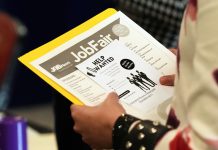
Dale Venturini, president and CEO of the Rhode Island Hospitality Association, said that most in the industry in Rhode Island had stopped using the H-2B visas altogether. Instead, she continued, hotels are conducting job fairs to attract employees.
The change in seasonal employment practices is a far cry from 2007, when Evan Smith, president and CEO of the Newport & Bristol County Convention & Visitors Bureau, told Providence Business News that more than 100 positions throughout the city’s hospitality industry might have to go unfilled because of the cap on the number of H-2B visas issued.
The H-2B visa program, begun in 1990, enables a capped limit of 66,000 foreign workers to work for up to four months in the United States. The cap is divided into six-month intervals by the fiscal year – from Oct. 1 through the end of March, and from April 1 through September.
Sean McBurney, the senior vice president of governmental affairs at the American Hotel and Lodging Association in Washington, D.C., said that the 66,000 cap could again be a problem if the economy improves, but right now the demand for such workers has diminished, both by the hospitality industry and by other industries. “The demand and need have diminished,” he said. “Not that many people are traveling.” •


No posts to display
Sign in
Welcome! Log into your account
Forgot your password? Get help
Privacy Policy
Password recovery
Recover your password
A password will be e-mailed to you.
- Featured Event -