The new year tends to arrive with a quiet promise. Eat better. Train more consistently. Lose weight. The plan is solid. But a few months in, a problem becomes clear.
Most men assume they need to wait until the transformation process is over to care about clothes. That’s a mistake. Dressing well while you’re losing weight isn’t about vanity; it’s about alignment. When your body changes but your clothes are stuck in the past, the disconnect is obvious and it chips away at confidence.
The most common issue is clothing that’s subtly too big. Not dramatic, but just off enough to register. Pants that require a belt pulled to their last hole. Jackets that cave in at the chest and swing open when you walk. Shirts that hang straight down instead of shaping the torso. You feel better, but you don’t look like it yet.
Weight loss rarely happens evenly. The waist and seat usually go first, followed by the torso and shoulders. That’s why clothes can feel “fine” until you see a photo or catch your reflection from the side. This phase doesn’t call for a full wardrobe overhaul, but it does demand smarter choices.
One of the biggest missteps men make is trying to buy for a future body. Some buy smaller sizes as motivation, and some refuse to buy anything at all. These approaches tend to fail. Clothes that don’t fit now rarely get worn, and wearing ill-fitting clothes in the meantime makes you look careless rather than disciplined.
The smarter move is a transitional wardrobe. Buy for the body you have today, but choose pieces that can adapt as you change. Trousers with side adjusters, or refined drawstrings, allow for adjustment without looking casual. Unstructured jackets hold their shape better as your frame leans out. Knit polos, fine-gauge sweaters, and soft tailoring skim the body instead of exposing every fluctuation.
This is where tailoring becomes your greatest ally.
[caption id="attachment_518377" align="alignleft" width="438"]

BIG DIFFERENCE: Colin Ward, Marc Allen Fine Clothiers store manager, displays how, without tailoring, his pants are ill fitting after weight loss.
COURTESY MARC ALLEN FINE CLOTHIERS[/caption]
If you’re losing weight, tailoring isn’t an indulgence. It’s upkeep. A few strategic alterations can extend the life of your wardrobe and keep you looking intentional throughout the process.
Start with trousers. The waist and seat can usually be taken in one or so inches, cleanly. This alone changes how everything above looks. Jackets respond well to having the body taken in and the waist suppressed. Sleeve length adjustments are simple and often make the biggest visual difference. With shirts, if the collar and shoulders fit properly, the body can almost always be reshaped.
A useful rule is this: never compromise on shoulders or neck size. Those areas are difficult and expensive to alter. Everything else is workable.
Men who own custom or made-to-measure suits have an advantage many don’t realize. Custom garments typically include more seam allowance, which gives a skilled tailor more fabric to work with. That means deeper waist suppression, cleaner reshaping through the body, and the ability to alter the same garment multiple times as your weight changes.
Off-the-rack suits are more limited. Once you’ve dropped more than a full size, alterations can start to distort the original proportions. At that point, it’s often smarter to replace rather than force the garment to cooperate.
Tailoring should refine, not rescue. When a piece is more than one size too large, the structure breaks down and the cost stops making sense.
Weight loss doesn’t pause real life. There are meetings, dinners, weddings and everyday moments that still require you to show up looking put together. Dressing well during this phase isn’t about pretending you’ve arrived. It’s about respecting where you are.
Realizing your resolution is your goal, dress like a person who understands that progress deserves to be seen.
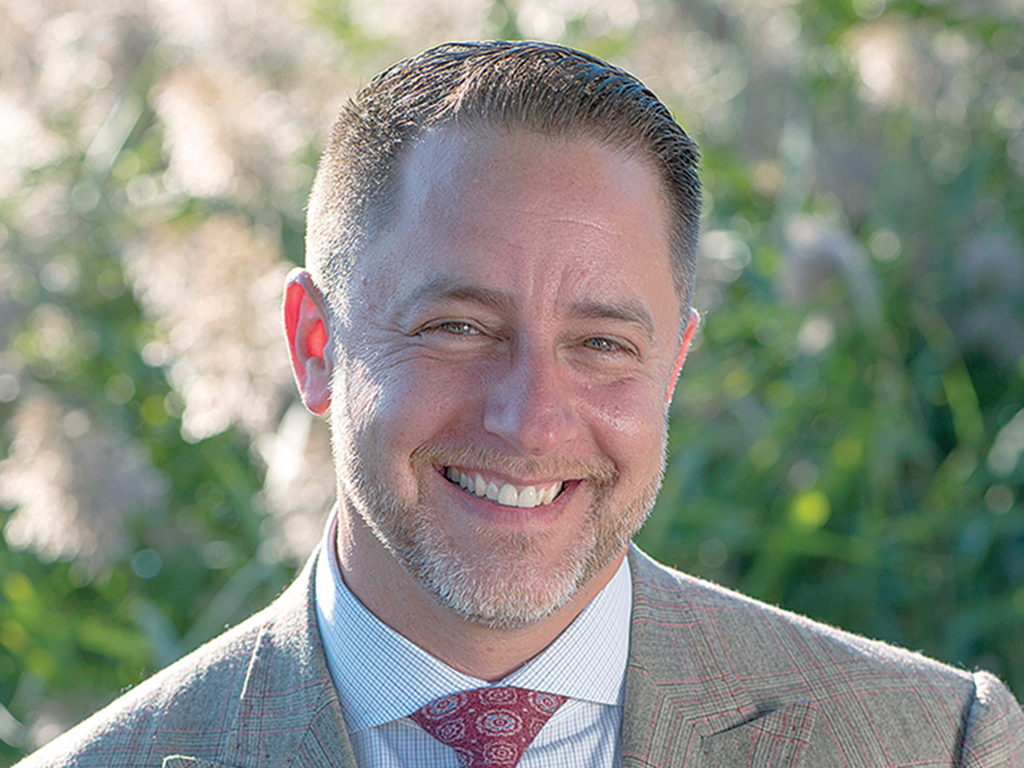
Marc A. Streisand is the owner of Marc Allen Fine Clothiers in Providence.