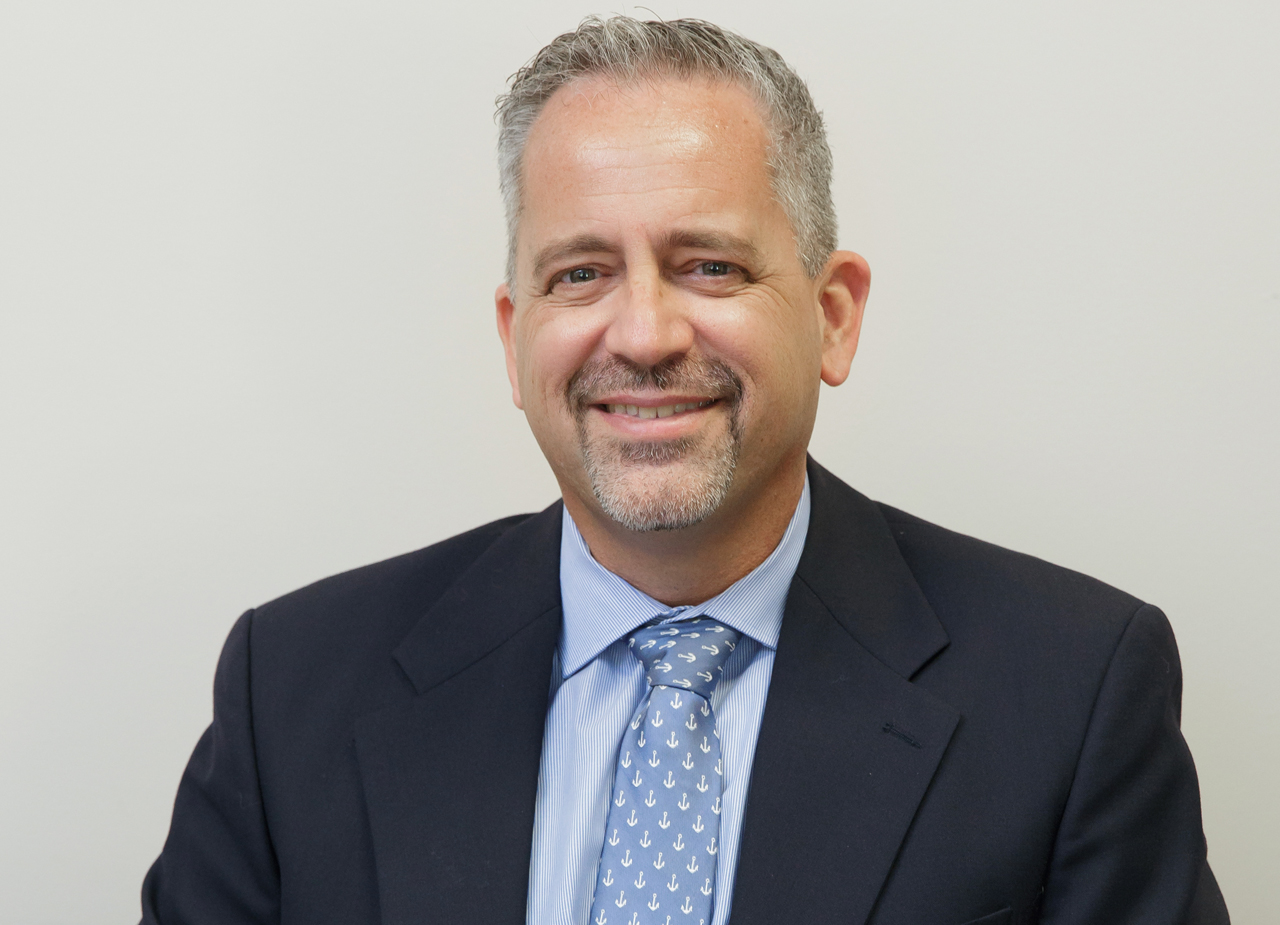
Assuming the role of director of Memorial Union at the University of Rhode Island on June 12, Carl G. Stiles will direct an operation with 38 employees, which is home to 180 student organizations involving 3,700 students. Previously, Stiles worked at Husson University in Bangor, Maine overseeing the division of student life and as Springfield College’s director of student activities prior to that. He holds a bachelor’s degree from Western New England University and a master’s degree in student personnel administration from Springfield College. He completed his doctorate in educational leadership at Johnson & Wales University in Providence.
PBN: You previously served as dean of student life at Husson University in Bangor, Maine. What experiences and skills from that position will transfer to your role at the University of Rhode Island?
Selling Luxury Real Estate Requires More Than Exposure
By Emilio DiSpirito IV License Partner | Private Office Advisor Engel & Völkers Oceanside www.DiSpiritoteam.com…
Learn More
STILES: In my prior role, I had the opportunity to work at an institutional level on student engagement and success. Bringing that experience to URI allows me to view the university as the complex organization it is – each part supporting students in all their academic, social, recreational, service and involvement activities. The understanding that a student does not exist solely in a single area permits me to understand changing student needs, interests and desires. Students are not static, they change constantly. To be aware of and respond to these changes allows the Memorial Union to remain a vibrant, engaged and student-centered organization.
Thirty years of working with college-age adults has allowed me to progress with my career focused on student success, even when I have transitioned from institutions. The constant in my career has been my desire to engage with students – to respond to their needs, wants, and interests – and create an environment supporting learning.
PBN: What drew you to a career in which you help college students manage myriad clubs and organizations, which represent their extracurricular interests but often what they may pursue as a career?
STILES: My career path actually began as an undergraduate student when I was involved in many leadership roles and activities on campus. I had the fortune to be mentored by many professionals within the field of student affairs/student services who recognized an emerging passion for working with students in their development. I was provided, through trainings, employment and other involvement opportunities, the chance to develop my skills in advising, program development and student center operations. I subsequently chose to pursue this career as I knew I would be able to make an impact on future college students as they explored and developed who they are becoming as they experience the broadness that higher education offers in the development of the whole person – scholar, leader, servant, community developer, humanitarian and change agent.
Clubs and organizations reflect the kaleidoscope that is the student body on campus. Each campus has some student-run organizations that are similar and some that are very different. As a leader in higher education, it is important to understand the student culture of your campus and to recognize that although one area of involvement may be high on the interest list one year, that interest may change the next year.
PBN: The Memorial Union manages the annual First Night celebration, introducing incoming students to campus. Are you excited to learn more about this tradition and perhaps put your own spin on it?
STILES: I am truly looking forward to this annual tradition. The preparation by the various offices and university personnel, and the support of the returning students and their organizations, truly prepares a welcome for our new students – and in my case, a new administrator!
Change, or spin, is something that comes with experiencing a program first. Presently, I have no plans for any changes as we welcome the URI Class of 2021. This is my year to learn about the Memorial Union, student involvement, the Center for Leadership Development, the university and our students.
PBN: How do you think college campuses are changing in the 21st century?
STILES: Our students have changed; our involvement with the communities in which we live, work and reside has changed; how we provide means for students to learn has changed. Technology has changed how we interact with our students: cellphones, text messages, Instagram and Snap Chat often take the one-on-one interactions out of the equation.
Change is inevitable and must be welcomed, otherwise we will stagnate and not be able to respond to who our students will be.
PBN: What are your goals in this position and how do you hope to move URI forward?
STILES: My primary goal is to provide opportunities for students to become engaged in the campus and greater community. This goal will be attained by meeting with students, hearing what is important to them, working with them to facilitate change and to seek their feedback. Goals evolve and change, but the foundation of student engagement will always serve me well as time and needs evolve for the Memorial Union.
Emily Gowdey-Backus is a PBN staff writer. Email her at Gowdey-Backus@PBN.com, or you can follow her on Twitter @FlashGowdey.