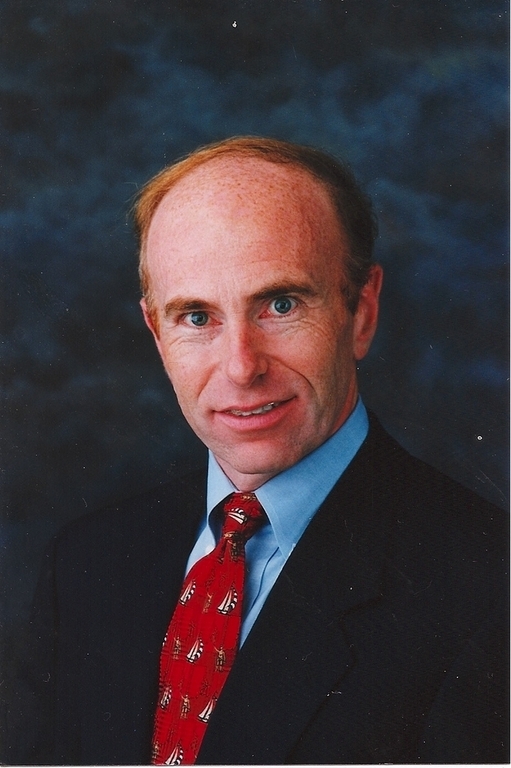
 / " title=""IF THE federal government begins making all of these loans, it will have to issue that much in additional Treasuries bills each year at a time when our national debt is already at record levels and the traditional buyers of Treasuries, such China, are showing signs of saturation," said Charles Kelley, executive director of the R.I. Student Loan Authority. /"/>
/
With the support of President Barack Obama, lawmakers are moving to largely remove private lenders from the federal student loan industry by eliminating federally subsidized loans. Such a move would expand direct lending by the government starting next July, and it’s estimated it will save the government $87 billion over the next decade.
Charles Kelley, executive director of the R.I. Student Loan Authority (RISLA), answered five questions about the repercussions of that action for the authority.
PBN: How would the legislation, which has already cleared a House committee, affect the R.I. Student Loan Authority?
KELLEY: Having all federal loans issued by the federal government will not only impact RISLA, but more importantly, local colleges, universities, students and families will no longer be able to call or even stop in at the authority to get information and assistance with their federal education loans. The majority of schools in Rhode Island use RISLA for the origination and funding of their federal loans. Last year, RISLA originated and funded more than $300 million in federal loans.
RISLA also reinvests its net revenues into providing free services at the College Planning Center and financial literacy sessions at local high schools and colleges. RISLA does not get any funding from the state of Rhode Island.
Beyond Cash Donations: How New Forms of Giving Are Transforming Not-for-Profit Accounting
Evolving Funding Landscape for Not-for-Profits Not-for-profit organizations are being asked to do more with less,…
Learn More
PBN: The Obama administration estimates such a move would save $87 billion over the next 10 years. What are the arguments against doing it?
KELLEY: According to several experts the government’s savings estimates do not include servicing costs and only go out 10 years and consequently do not take into account defaults after that time period. My bigger concern is that last year groups such as RISLA around the country funded more than $64 billion in federal loans in 2009. If the federal government begins making all of these loans, it will have to issue that much in additional Treasuries bills each year at a time when our national debt is already at record levels and the traditional buyers of Treasuries, such China, are showing signs of saturation or at least reluctance to take on more U.S. currency exposure.
PBN: What kind of private education loans does RISLA offer?
KELLEY: For the last 18 years, RISLA has provided the Rhode Island Family Education Loan for any student attending a college here in Rhode Island or to Rhode Island families even if their student is attending school out of state. Students and families should first take advantage of all grants, scholarships and the federal Stafford loan (up to $5,500 for freshmen) before considering borrower federal PLUS (parent) loans or private loans.
For the 2009-2010 academic year, the interest rate is 7.76 percent and is fixed for the 15-year term of the loan. The RIFEL interest rate and monthly payment are actually lower than what is available with a federal PLUS loan. RISLA encourages parents to begin repayment on their loans right away, for it dramatically decreases the total cost of borrowing. By not deferring those monthly payments, it helps prevent unpleasant surprises and over-borrowing. While parents must typically sign for federal parent (PLUS) or private loans, the R.I. Family Education Loan has a co-signer release option after 48 on-time payments.
Students and families can see if they may qualify in a few minutes online by going to www.risla.com.
PBN: I assume more students and families have been turning to the authority for assistance. Can you give me some year-over-year statistics that would highlight that trend?
KELLEY: For almost 11 years, RISLA has provided free college admissions and financial aid assistance at the Warwick Mall and now at another location in Bristol.
This year we saw more than 6,000 students and families, which is the greatest number ever and unfortunately we had to turn away individuals because we did not have enough counseling slots even though we operated seven days a week during the winter. The devastating effects of the economy were clearly evident at the College Planning Center. The stock market devastated college savings accounts, declining home values and tighter lending standards curtailed using home equity loans to pay for college. For a while it seemed that just about every other family had at least one parent who had been laid off. Individual delinquencies and defaults were hurting the credit ratings of families and preventing them from obtaining federal and private loans. Students are now more frequently choosing lower-cost state schools to help deal with all these issues.
PBN: For more than a year, there’s been upheaval in the student loan business, with many lenders dropping out of the federal government-backed student loan program and state-operating agencies suspending operations. How has RISLA fared in that climate?
KELLEY: RISLA was one of the few nonprofit education loan providers in the country that was always able to provide students and parents with low-cost education loans even during the worse of the credit crunch.
In fact, in 2008 RISLA was the first entity, nonprofit or for-profit, in the country to be able to access the public markets for private-education loan financing. This $64 million bond issue helped thousands of Rhode Island students fund their education with safe low-cost, fixed-rate loans.
Last year, when many groups stopped lending, we saw a 90 percent jump in the amount of federal PLUS loans that we provided Rhode Island parents with students attending out-of-state colleges. Obviously, many out-of-state colleges could not get the funding they needed for their students. Fortunately, RISLA was there to help them.