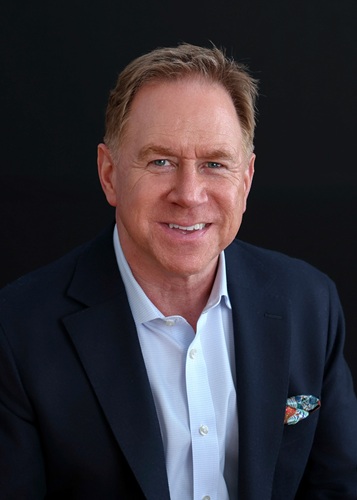
Dean deTonnancourt is the broker/owner behind REMAX Revolution, a six-office, 300-agent brokerage formerly known as HomeSmart Professionals.
Licensed to do real estate in 1989, deTonnancourt spent seven years of his career as a REMAX agent before bringing the Keller Williams brand to Rhode Island in 2000. In 2014, he launched HomeSmart Professionals.
PBN: You recently rebranded your brokerage as REMAX Revolution. What factors led to that decision, and how do you expect the change to affect your agents and clients?
DETONNANCOURT: The decision was really about alignment – aligning our culture, our agents and our future with a brand that reinforces what we already believe. Over the years, we’ve built a strong, agent-centered company. But as the industry continues to evolve, brand recognition, resources and global connectivity matter more than ever.
REMAX offers immediate credibility with consumers and a platform that’s built around productive, professional agents. That was important to me. I want our agents to walk into every conversation with confidence.
For our agents, this means stronger tools, more efficient systems and a broader network to collaborate within. For clients, it translates into a more seamless experience, stronger marketing, and a brand they recognize and trust. What hasn’t changed is our culture. What we’ve done is strengthen the platform that supports it.
PBN: The national housing market has seen shifts in interest rates, inventory levels and buyer demand over the past year. How are those broader trends currently shaping the real estate landscape?
DETONNANCOURT: What we’re seeing nationally is a transition from a speed-driven market to a skill-driven market. When interest rates rose, it forced both buyers and sellers to adjust expectations. Demand didn’t disappear – it became more selective and more intentional.
Inventory remains constrained in many areas, but the psychology of the market has shifted. Buyers are more thoughtful. Sellers need to be more strategic. And transactions require more guidance than they did just a few years ago. In this environment, the role of the professional becomes more important, not less. It’s no longer about simply facilitating a transaction. It’s about advising, negotiating and managing complexity from contract to closing.
PBN: How do those national trends compare to what you’re seeing locally across Rhode Island and the surrounding markets you serve?
DETONNANCOURT: Rhode Island continues to be its own unique case. We’re still dealing with historically low inventory, and that’s driving a level of competition that doesn’t always align with what you see nationally. We’ve seen a meaningful decline in new listings, while buyer demand – although more measured – is still very present. That imbalance continues to put upward pressure on prices.
At the same time, transactions are down, not due to a lack of interest, but a lack of opportunity. There simply aren’t enough homes available. So locally, it’s not just about navigating interest rates – it’s about navigating scarcity. That requires a higher level of strategy, creativity and negotiation skill to put deals together and protect clients in the process.
PBN: The real estate profession has undergone changes in recent years, including evolving commission structures and increased use of technology. How do you see the role of the real estate agent changing going forward?
DETONNANCOURT: The role is becoming more defined, not less. Technology has made information more accessible, but it hasn’t replaced the need for expertise. If anything, it’s raised the standard. Consumers have more data, but they also have more questions. They need someone who can interpret the market, guide decisions and negotiate effectively on their behalf.
We’re also seeing a greater emphasis on transparency and value. Agents who can clearly articulate their role, demonstrate their process and deliver a high level of service will continue to thrive.
PBN: You’ve led multiple brokerage models over the course of your career. What do you view as the most important elements in building and sustaining a successful real estate firm today?
DETONNANCOURT: It starts and ends with people. If you build around the agent – support them, invest in them and create an environment where they can grow – you create a foundation that lasts. Culture is critical. Not in a superficial way, but in a way that shows up in how people treat each other, how they collaborate and how they serve clients. That’s what holds a company together through change.
Beyond that, clarity of vision matters. Agents want to know where the company is going and how it benefits them. They’re asking better questions today – about stability, tools, leadership and long-term opportunity.
And finally, you need to stay adaptable. The industry is evolving quickly. There’s a difference between doing things differently … and doing different things. The firms that succeed are the ones that recognize that shift early and position themselves ahead of it.
Marc Larocque is a PBN contributing writer. Contact him at Larocque@PBN.com. You may also follow him on X at @Marc_La_Rock.