When it comes to children’s psychiatric services, most people think first of Bradley Hospital, which specializes in younger patients. But Butler Hospital, best known for its programs for adults and even the elderly, also has units for children and adolescents.
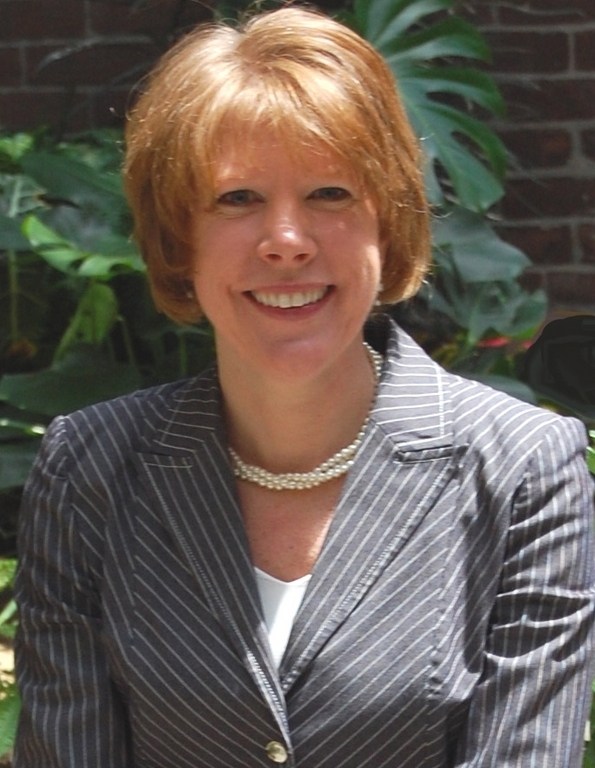
Dr. Dawn Picotte, a psychiatrist at Butler and associate professor at Brown University, was recently named associate medical director for child and adolescent services at the hospital. She answered questions about her practice.
PBN: What led you to focus on child and adolescent psychiatry in particular, and what kinds of patients do you tend to see at Butler?
PICOTTE: I have been in practice since 1996. I was originally interested in being a pediatrician, but quickly learned that the influence of managed care would limit the time I would have to talk with kids, so psychiatry was a better fit. My interest developed because I was intrigued by the concepts of resiliency (an ability to cope with stress) and plasticity (a quality that enables one to be reshaped or redirected following a crisis) in children.
I have worked in outpatient care and acute inpatient and residential inpatient care, and I’ve conducted research and served as an administrator. My current clinical work is almost exclusively inpatient. Almost by definition, children requiring psychiatric hospitalization are in crisis to the degree that represents an imminent danger to themselves or others. Often their families are also in crisis, which can be a precipitating factor or a response to the child’s behavior.
Seifert Systems Invests in Energy Efficiency to Strengthen Operations
For manufacturers, energy is more than just another operating expense. It plays a critical role…
Learn More
PBN: How well-defined are psychiatric diagnoses in adolescents, and has your profession’s approach changed over time as problems with medications have surfaced?
PICOTTE: Most of the illnesses that we treat are less defined in children than in adults; one notable exception is attention deficit hyperactivity disorder, which is more studied and better defined in children. However, we are making tremendous strides in understanding and identifying these illnesses in children. For example, as little as 30 years ago, it was a common belief that children lacked the emotional capacity to suffer from depression. We now know that this is inaccurate. Although bipolar disorder in children and adolescents remains controversial and difficult to diagnose, rigorously designed outcome studies have shown that adolescents have more rapidly changing moods and have longer-lasting symptoms compared to adults. As a profession, we are rapidly acquiring knowledge about evidence-based treatments that should improve our future management of patients.
PBN: How hard is it for you to get parents and kids on the same page with you in defining what is normal teenage moodiness vs. a psychiatric illness?
PICOTTE: Differentiating a mood disorder from normal adolescent moodiness can be difficult. A professional and systematic assessment that looks at changes in functioning at home, at school and socially is important. Symptoms can evolve over time, so repeating an assessment can be useful if symptoms worsen or don’t resolve. Likewise, differentiating risky behaviors that are age-appropriate as opposed to pathological can also be challenging. Parents should look to their family values as a guide. If a child is behaving in a way that is not consistent with their family’s or cultural expectations, then it may warrant further exploration. My experience has been that most parents do quite well in identifying when their child needs professional help. When in doubt, talk to your child’s primary care provider, your child’s teacher, or a mental health professional.
PBN: How well can appropriate psychiatric treatment in adolescence protect children from more severe problems down the line?
PICOTTE: Accurate and early diagnosis coupled with appropriate treatment can lessen the negative outcomes of some psychiatric illness. For example, treating adolescent substance use can reduce teen pregnancy, reduce car accidents, and improve educational and relationship outcomes. The difference between those who do well and those who do not is dependent on factors of the illness, including the severity, co-morbid illness, and family history, as well as the accuracy of the diagnosis, compliance with the treatment plan, and level of support. Personality can also be a factor; some kids are naturally more resilient and adaptable.
PBN: Butler is not, primarily, a child and adolescent facility, and it’s actually reduced the number of beds dedicated to children in the last year. What is the place of child and adolescent services within Butler, and how big a need is there for those services?
PICOTTE: Butler Hospital is responsive to the community’s needs. Last year, it reallocated some children’s beds in response to an increased need in the community for adult inpatient beds. This allowed for more efficient use of our overall space. Butler remains committed to serving children and adolescents; our programs have been an important component of the services available to children and families in Rhode Island for almost 18 years. The hospital continues to provide short-term crisis management and stabilization for children and adolescents through two inpatient programs – an adolescent unit and a children’s intensive treatment unit, which cares for children and adolescents who require intensive treatment due to the severity of their illness, or who also have a developmental disability.