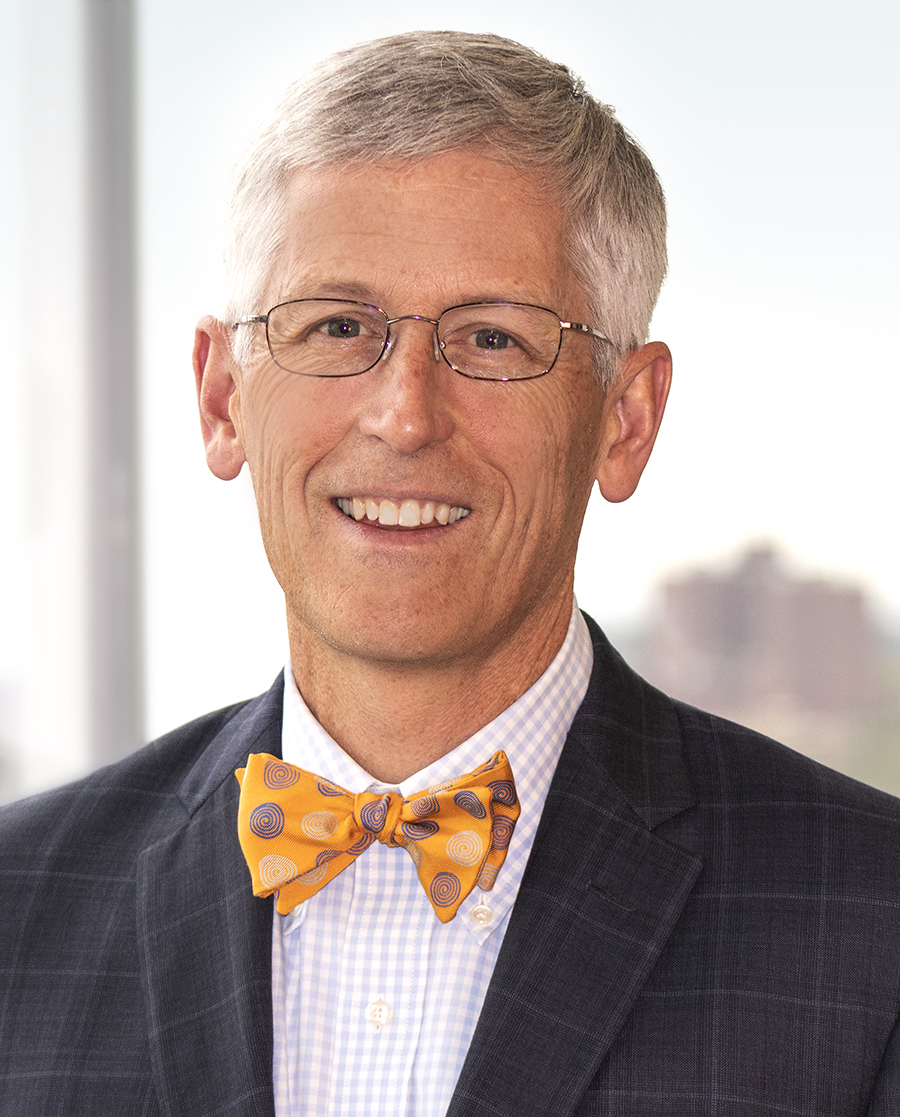
Dr. Matt Collins, Blue Cross & Blue Shield of Rhode Island’s new executive vice president and chief medical officer, comes to the role after serving as the insurer’s vice president of clinical integration. He discusses his new position, his ideas on managing behavioral health needs and a forum where providers can submit suggestions on keeping health care affordable.
PBN: Do you have any priorities as you settle into your new role?
Your Business Has Gone Global. Has Your Insurance?
A decade ago, “doing business internationally” was mostly a large-company concern. Today, a manufacturer in…
Learn More
COLLINS: My priorities won’t change, but the ability to influence them I hope will change. I came to Rhode Island due to the amazing things that were happening around health care transformation, in particular primary care. I have worked in health care since 1984 and have worked in many roles including [emergency medical technician], nursing assistant, lab technologist, team physician, physician teacher, primary care physician and physician leader.
I want the health care system to be the best it can possibly be. People in Rhode Island have set many things in motion to be just that and my priority is to do what I can as a physician in health care to make it so. I want to help create a system where the way care gets delivered matches up with the value it creates. I want Rhode Island to be an example of what the best American health care can be.
PBN: Is the way that BCBSRI is handling health management shifting as the need for substance abuse and mental health treatment grows?
COLLINS: The mission of BCBSRI is to enhance the well-being of all Rhode Islanders. We have been committed to ensuring that folks in Rhode Island have access to the best possible substance use services. That is why we have worked with the state’s first Opiate Use Disorder Centers of Excellence on an appropriate payment model.
In addition, we were the first commercial insurer to pay for peer recovery coaches to guide people with opiate use disorder to treatment. Also, we have been active participants at the table with the Governor’s Task Force on Overdose Prevention and Intervention.
I’ve treated many people with an opiate use disorder. It’s a tough diagnosis to have and a tough one to treat. I think that my knowledge and experience help me to ensure that BCBSRI supports the process of screening, diagnosis, treating and recovery for our many members with a substance use disorder. In fact, one of our biggest changes in this area took place in 2018 when we removed utilization review for in-network behavioral health care.
PBN: How does health care affordability relate to the above issue?
COLLINS: One thing that a lot of health care providers and insurers are very aware of is that when a person has a behavioral health issue – mental health or substance use – they typically use a lot more health care services than someone who doesn’t have either of those things. Knowing that, we have worked with our providers to help them develop screening and treatment programs that identify and treat problems early.
We’ve supported behavioral health care that is integrated with primary care practices and we have supported the development of an interdisciplinary care model called HealthPath that helps folks with serious mental health and substance use get care when they need it most, even in their homes sometimes. All of this is based on the hypothesis that if people get better, patient-centered care early, they will have less need to utilize more costly advanced care, such as in hospitals.
PBN: What has your experience as a primary care doctor taught you about the role of insurers in patients’ lives?
COLLINS: I still practice and teach in a primary care practice. I do it because I love the patient interactions and helping the next generation of family physicians become the best they can be. It is interesting for me to hear about the patient’s perspective of the role of the insurer and the family medicine resident’s perception as well. There are a lot of assumptions expressed about what the health plan does and doesn’t do. This exposure helps me to ensure that we at BCBSRI address the perceived barriers to care while addressing any misperceptions.
PBN: What ideas have you heard from providers on how best to address the affordability of health care?
COLLINS: This is a great question! Thanks for asking it. Providers often approach me with great ideas. In fact, I created a forum to channel those ideas into real action. In 2018, I invited Rhode Island providers to submit their ideas for presentation at a “Shark Tank” type forum we called the Provider Medical Expense Trend Summit. More than a dozen ideas were submitted. BCBSRI leaders voted on the top three ideas and over the past year we have been working to implement them. Winning ideas included use of paramedics to do home visits to reduce the need for hospital-based care, implementing guidelines to improve safe prescribing for senior citizens, and a program to increase guideline-based, patient-centered care of back pain. We plan to announce a second round of applications for a second summit in 2020.
Elizabeth Graham is a PBN staff writer. She can be reached at Graham@pbn.com.