The R.I. State Investment Commission recently adopted a new policy allowing for some of the state’s pension funds to be placed in investments to retain or create jobs in the state.
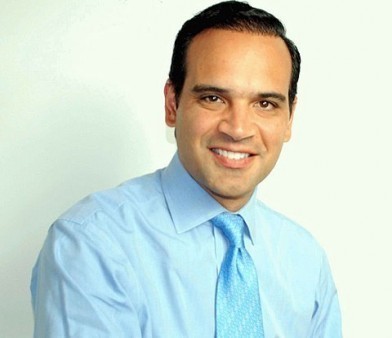
R.I. General Treasurer Frank T. Caprio, chairman of the investment commission and a gubernatorial candidate, answered a few questions about the change and its effects on the pension fund.
PBN: What is the thinking behind the new Economically Targeted Investment policy approved by the State Investment Commission?
CAPRIO: Our ETI policy is a reminder, a “Rhode Island is open for business” sign to those funds that if they can match market returns with investments in Rhode Island that create jobs and stimulate the economy, that’s a priority for us. The state invests billions of dollars around the world through some of the top funds in the market. These money managers have a crucial role in determining where investment opportunities lie, and their decisions can help bridge the capital gap with an influx of equity, not debt, that’s crucial to realizing the full potential of companies in Rhode Island.
Your Business Has Gone Global. Has Your Insurance?
A decade ago, “doing business internationally” was mostly a large-company concern. Today, a manufacturer in…
Learn More
PBN: Do other states have similar policies?
CAPRIO: Yes. California and Massachusetts, as well as New York City.
PBN: Before the policy was adopted, was there no special consideration given to an investment that might help the local economy?
CAPRIO: No, there was not.
PBN: Some may argue that the pension fund is already significantly underfunded, and that investment policy should be concerned only with meeting obligations. Your response?
CAPRIO: Our overriding obligation at the State Investment Commission is to maximize the value of our pension funds, and this policy specifically states that returns will not be jeopardized. Also important to note, the policy prohibits the State Investment Commission from determining the end investment in Rhode Island, instead limiting the board’s involvement to selecting the investment manager, not end investment (thereby preventing future problems such as the one caused by the American Express building investment). If we can achieve this goal and at the same time make investments that create jobs and improve the local economy, it’s a win-win for all Rhode Islanders.
PBN: Can you give some examples of investments that could be made under this new policy?
CAPRIO: ETI is not an asset class, but a policy that realizes opportunities from across all the areas the fund already invests in, from fixed income to alternative investments. It doesn’t change the fund’s investment strategy, rather, it asks the market to consider if there are opportunities within Rhode Island that fit the fund’s plan.