It was a full session last year for the first-ever Rhode Island Offshore Wind Summit, hosted by Northeast Clean Energy Council. The event drew a global audience to Innovate Newport to discuss the offshore wind market.
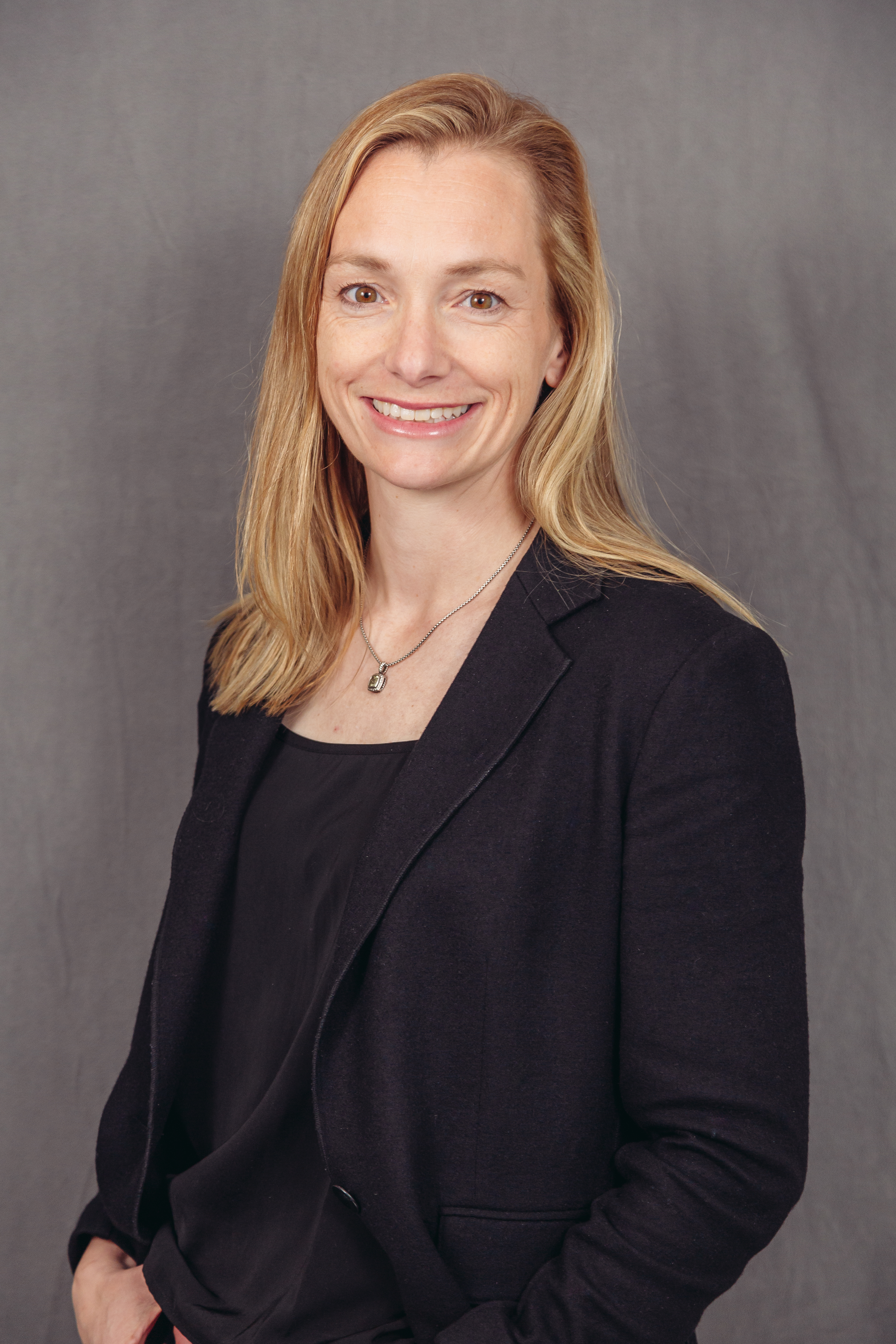
Utilidata Chief Technology Officer Marissa Hummon was part of a panel discussion about getting wind energy to the distribution grid. She says the need for renewable energy couldn’t be more imminent and discusses challenges ahead.
Your Business Has Gone Global. Has Your Insurance?
A decade ago, “doing business internationally” was mostly a large-company concern. Today, a manufacturer in…
Learn More
PBN: Rhode Island Offshore Wind Summit was the first of its kind. What did you see come out of the session?
HUMMON: The summit kick-started conversations and awareness of both the complexity and necessity of making offshore wind a cost-effective, renewable generation source. The diversity of attendees and speakers is a testament to how exciting and broad-ranging the opportunity really is, and how well-positioned Rhode Island is to become a leader in the industry if we all row in the same direction.
And the stakes couldn’t be higher; climate change is a crisis that we all face. Gov. [Gina M.] Raimondo established an aggressive yet entirely necessary goal of 100% renewable sources for electricity within the decade, and offshore wind will play an integral role in meeting that mandate.
PBN: It seems that there are many challenges in bringing wind energy offshore and into the distribution grid. What is the biggest hurdle?
HUMMON: The technology actually exists. The biggest hurdle is execution and leadership, which is why I think Rhode Island is poised to lead the way. Utility incentive structures were established when the policy goal was to electrify the country, and they have not been fundamentally updated to reflect the new goal, which is rapid, cost-effective decarbonization. So, utilities still want to deploy old school, hardware-heavy systems built for one-way, fossil-fuel-generated electricity.
Intermittent generation, [such as] offshore wind, requires us to change that paradigm so we incentivize digitization and optimization of the grid first, before costly and potentially unnecessary physical infrastructure. The good news is that when we get this right, we have the raw ingredients to seed job-creating industries – not just offshore wind but solar-storage backup power systems and grid software that is the connective tissue for all the new clean assets. Orsted’s recently launched Innovation Hub in Providence is a shining example.
PBN: In a writeup about the conference, it was said that lessons can be learned about delivery to the end user from “early mistakes of early adopters of offshore wind, like Germany.” Can you explain?
HUMMON: Germany built offshore wind ahead of the development of physical interconnection infrastructure, so they had stranded generation. I think the big takeaway there is that it is immensely important to plan all aspects of the offshore project: Siting, building, connecting it to the distribution system and balancing this new generation with existing demand.
Given the cost of building new transmission, it is prudent/economic/responsible to balance power generation and consumption locally first, and then to improve the distribution and transmission of power with new physical infrastructure.
PBN: Does the cost of technology to get wind energy to the grid and in usable form remain somewhat of an unknown, dependent on other factors?
HUMMON: The hardest part of distributed resource valuation is understanding the impact that technology has on the “poles and wires” that enable/deliver that power to the market. The costs for the distribution system have generally been lumped into one bucket: Operations and maintenance, and those costs are socialized across all customers.
But with new technologies available that can optimize the distribution of power and the utilization of both utility and customer assets, the cost of integrating distributed energy resources and the value of optimally operating them complicates the flow of money between transmission, distribution, generation and customer-owned assets.
We can calculate the exact cost of power at every node of the distribution system, the same way we do on the transmission system, and we should “dispatch” the distribution system using those values. But there are lots of reasons for not using that economic-dispatch price to bill customers – primarily that customers don’t get to choose how/when distribution upgrades happen that could reduce the real-time cost of serving them.
PBN: You have been quoted as saying that the technology is there to bring renewable energy to the grid, but it has to go through a very slow vetting process. Can you elaborate?
HUMMON: One of the [summit] attendees asked whether we [the U.S.] can learn from other countries’ forays into offshore wind, or if we will need to repeat those lessons learned. I think there are broad lessons we can learn from Germany and the U.K. about interconnection planning.
But my point was mainly that we have created an incredibly risk-averse environment for the utility and the regulator to navigate new things. Within the U.S., we would all benefit if piloted technology outcomes at one utility could be shared – and believed – by other utilities. In our race against the global warming clock, I’m not sure if we have the time for each utility to independently test new technologies for five to 10 years before adopting them as best practices.
Susan Shalhoub is a PBN contributing writer.