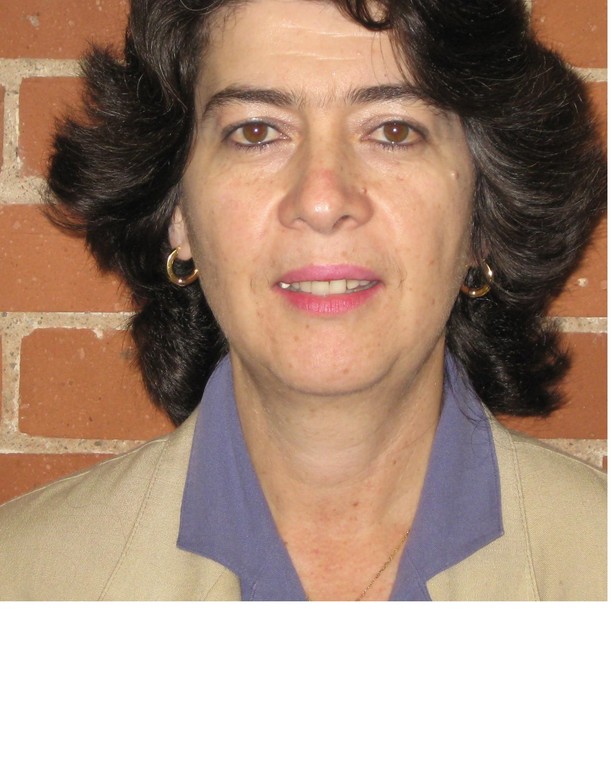
Patricia H. Martinez, the head of the R.I. Department of Children, Youth and Families since 2005, is a manager accustomed to making diffcult decisions, in a world where crisis management is an everyday occurrence, and budget cutbacks and shortfalls are the norm.
The day after Thanksgiving, it was front-page news that her agency was going to close three emergency shelters that provide housing for children who are removed from homes due to neglect and abuse. The move, according to Martinez, was a result of progress made in reducing the number of children in out-of-home care.
Rhode Island's Market Has Changed. Developers, Builders, Investors and Sellers Must Change With It.
By Emilio DiSpirito IV License Partner | Engel & Völkers Oceanside Leader | The DiSpirito…
Learn More
Martinez has often been in the hot seat. In 2007, her agency was sued by R.I. Child Advocate Jametta O. Alston for allegedly not doing enough to protect children. In 2008, she told Gov. Donald L. Carcieri that his executive order on illegal immigrants was divisive, slamming all immigrants.
The Providence Business News asked Martinez to share her view on the effort to help protect vulnerable children.
PBN: DCYF is on the front line in efforts to improve our community’s health and well-being, working with at-risk children and families in Rhode Island. What is your view of the current situation?
MARTINEZ: The bottom line is that the department has never been in a better or stronger position to effect positive change for Rhode Island’s children, youth and families.
With the strong support of our staff and community partners, we have undertaken the task of transforming the service delivery system for Rhode Island’s most vulnerable children and their families.
Research and best practice tell us that taking children out of their homes and communities and providing them with formal services outside of their own communities are not actions that help families sustain permanent change.
So, we have collaborated with families, youth, providers, sister state agencies and national experts in the development of an effective model for a child-and-family System of Care designed specifically for Rhode Island, one that includes building public-private partnerships, wrapping services around the family and connecting them with their natural supports, and we could not be more pleased with the initial outcomes.
The first phase of this two-phase implementation is the Family Care Community Partnership, designed to service children and families in the community without any DCYF involvement. Focusing on prevention and early intervention, it is aimed at keeping children at home or in the closest thing to home, through identification and accessing of natural supports and community connections that will be present and lasting for the family.
This phase also aims at building a strong foundation and framework of community-based services to meet the needs of the families in their own homes.
Phase Two (not yet fully implemented) is for families that require formal intervention by the state but it is premised on the same principles. These include identifying extended family and community supports that can be there for the family long after the presenting issue is resolved and the department is no longer involved.
Based on our work thus far, we have experienced a reduction in the number of families entering the system and a reduction in the length of time involved families require formal intervention. The new system will lead to better outcomes for children and families and better use of state resources.
PBN: What is the average current caseload for DCYF social workers? Are you seeing the number of cases increase because of the continuing economic problems in the state?
MARTINEZ: I am very proud of the professionalism and dedication of DCYF social workers. Although the number of families entering the system is down, partly in response to implementation of the first phase of the new system of care, the decrease in total client base does not automatically translate into a lower average caseload for workers (due to vacancies and lower caseloads for new workers in pre-service training).
The current caseload average across our four regions of the state is 15.2 families. We have started to see an increase in the number of calls to our child abuse and neglect hotline, but the number of substantiated (enough evidence) investigations has not increased. The reasons for the calls are varied and could be a reflection on the pressures all of society is feeling due to the economic, employment and other issues.
However, as we offer help and refer their families for services, we believe (and preliminary data from the first phase of the system of care indicate) that by providing them with the right services, at the right time and specific to their individual needs, families can safely stay intact and build the support system needed to overcome the time of crisis.
In terms of resources, we continue to build on our reinvestment strategy, which seeks to reinvest savings from decreased residential placements (with more children remaining at home) in order to continue to implement and support the new system of care.
PBN: The new nurse visitation program for at-risk young mothers and their children promises significant long-term benefits. How important will this program be in changing the dynamics for at-risk families and children?
MARTINEZ: We anticipate that this best practice model will have great significance, especially as it collaborates with our new system of care. This program gives families with newborns direct access to a health care professional that can help make sure they are connected to the appropriate health, mental health and social service supports they need to mitigate the risk to them and their children.
Research shows positive long-term effects for children serviced by this model, so we are excited at the prospects. However, it should be noted that the program, currently a demonstration project in Rhode Island, will only address the needs of about 10 percent of first-time mothers under the age of 25 who are facing multiple stressors that create situations where there is risk.
We would like to sustain the current model and expand it to other populations. In the long term, Rhode Island needs to establish a strong, well-supported continuum of home visiting and early child development programming in order to have the full range of support services designed to meet an array of families needs from pre-natal care through their early child development years. It’s another example of coordination of services, pooling of resources and improving outcomes. I believe that Rhode Island is moving in the right direction.
PBN: The network of community mental health providers in Rhode Island recently moved to strengthen their relationship. How do you think that will change the delivery of mental health services in the state for the better?
MARTINEZ: Four community mental health providers recently entered into a relationship with each other to improve client services and cost efficiency within their respective agencies. We can expect to see more and more of this sort of coordination among agencies in these difficult financial times.
I believe that such moves, including the pooling of expertise and resources, will strengthen the overall system and result in better use of available resources that are so desperately needed as families deal with greater stressors in their lives. We definitely applaud the leadership of these organizations for their foresight in developing strong partnerships that will yield enhanced services for our children and families.
PBN: What kinds of roles can local businesses play in changing the dynamics of at-risk children and families in Rhode Island?
MARTINEZ: Businesses can play a major role, not only in how they deal with the families of their employees, but also how they participate as partners with local social service agencies and schools for the betterment of the community at large. Within the business, employers can provide flexible work schedules, alternative work arrangements, job sharing, and other supports to their employees that will enable their employees to better parent their children, including encouraging and supporting adoption and foster care by their employees.
Within the community, businesses can also play a key role with our older youth who desperately need internship or volunteer opportunities as they become self-sufficient adults. Additionally, businesses can sponsor events, contribute to worthy causes, adopt schools, provide a corps of employee volunteers or mentors and do a host of other activities that can impact the children and families of our state.