Lifespan and its three research hospitals have received full three-year accreditation from the Association for the Accreditation of Human Research Protection Programs (AAHRPP).
Lifespan’s academic hospitals – Rhode Island Hospital and its pediatric division, Hasbro Children’s Hospital, The Miriam Hospital and Bradley Hospital, all conduct extensive research. The accreditation, which follows a five-year internal process, was granted after a site visit , extensive interviews and a review of more than 165 studies.
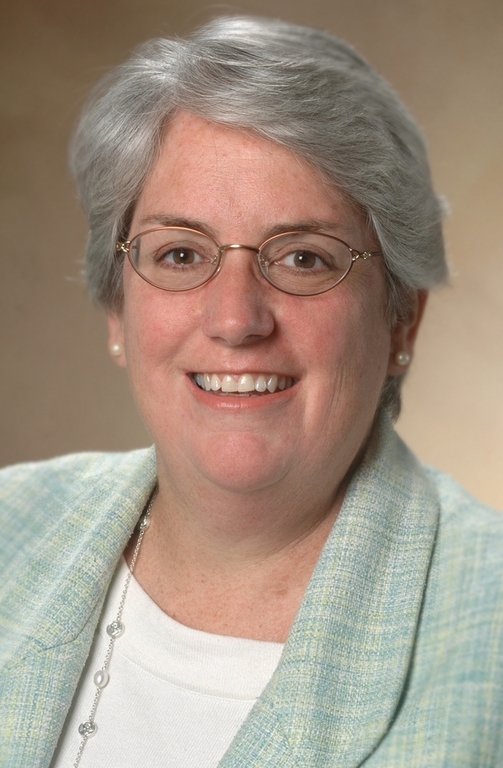
Peggy McGill, director of research administration, answered questions about the research operation and the ethical and practical challenges of working with human subjects.
PBN: The Lifespan hospitals have a long history of doing research. How much has the research enterprise grown, though, in recent years, and how big a factor was that growth in your desire to get accredited by AAHRPP?
McGILL: Externally funded research at Lifespan’s academic hospitals grew from $29 million in 1998 to $70 million in 2008. Between 1998 and 2003, our major sponsor, the National Institutes of Health, underwent a doubling of their budget, which contributed to our growth as well. We are pleased that we have been able to average about $70 million in funding each year since the NIH budget increases ceased. We began thinking about pursuing AAHRPP accreditation over five years ago. We just knew we could not continue with a “business as usual” approach to regulatory compliance, which increased along with the NIH funding.
Beyond Cash Donations: How New Forms of Giving Are Transforming Not-for-Profit Accounting
Evolving Funding Landscape for Not-for-Profits Not-for-profit organizations are being asked to do more with less,…
Learn More
PBN: What kinds of policies and procedures are needed when doing research with human subjects? There seems to be quite a wide range, from strict safety standards to ethical rules to patient education practices.
McGILL: All of the above. Our voluntary accreditation is based on Lifespan’s program of human subjects protection. We demonstrated that we met or exceeded the regulations governing human research. …
One of the most important factors in a successful clinical research program is the Institutional Review Board, which is charged with the protection of human subjects and the approval or disapproval of studies, weighing the ratio of risk vs. benefit to the subject. Lifespan has three such teams totaling over 50 members meeting each month, composed of physicians, nurses, social workers, pharmacists, psychologists and non-scientists.
However, we were not only measured by our adherence to one set of federal regulations and the effectiveness of the IRBs, but we were also measured by the hospitals’ support of clinical research as demonstrated by the involvement of Lifespan’s leadership, investigators, research nurses, support staff and clinical subjects themselves.
For example, the accreditors looked at our Web sites, the translations of our forms to other languages, subject recruitment activities, the training and preparation of the researchers, and the overall environments in which research is conducted.
PBN: Does Lifespan have a single set of standards and procedures for all its hospitals, or has each institution developed policies to meet the specific needs of its research enterprise?
McGILL: Lifespan has a single set of standards, procedures, forms and management staff for the research enterprise. In fact, this “systemness” allows Lifespan to conduct research seamlessly across its hospitals, and yet we have the opportunity to learn from each affiliate hospital as far as best practices and strategies. We see this synergy as a very positive aspect of being part of the Lifespan health system.
PBN: This accreditation followed a five-year internal process. What kinds of work happened during those five years, and how much did it change how you dealt with human research? In that context, how did AAHRPP guidelines/standards influence your work?
McGILL: We began by reviewing the accreditation documentation and interviewing other sites who had chosen to undergo the accreditation process earlier than we did. We performed a needs assessment comparing our methods of operation vs. the AAHRPP standards and began to focus on those areas that needed more work (internal training, expansion of the IRBs, patient education). We discovered that we appeared to carry out our review of research correctly, but we really needed to document our practices in a more comprehensive manner. Over time, it really dawned on us how big this project might be. It is truly a continuous improvement project – because we will apply for reaccreditation in three years, we will always be working on our program.
PBN: Are medicine and research changing in ways that require increasingly rigorous human research protection programs?
McGILL: Yes. Research is global and will become increasingly so. We collaborate and conduct studies in India, Cambodia, the Philippines, American Samoa, South Africa and many more locations. We also have collaborators all across the United States. Lifespan is funded by a long list of sponsors, from the very large pharmaceutical titans to the very small startup companies. Lifespan’s accreditation will demonstrate to our collaborators and sponsors that we take seriously our protection of human subjects and the integrity of our research. …
Medical advances are coming at a stunning pace, such as work on cancer vaccines, new surgical tools and techniques, and novel approaches to treating diseases. Lifespan is demonstrating that we value those patients who choose to participate in research and we will strive to provide the highest quality program to ensure their safety.