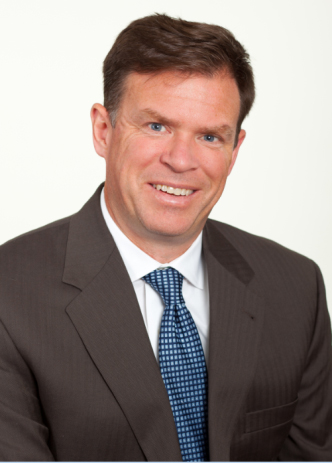
Robert “Bert” B. Entwistle Jr. serves as senior vice president and retirement plan adviser for Webster Bank. He was recently recognized by Financial Times on its annual list of top retirement advisers.
Entwistle joined Webster in 2013 as a vice president and retirement plan adviser after having worked for J.P. Morgan Securities Inc. He has a bachelor’s degree in political science from Boston College.
Selling Luxury Real Estate Requires More Than Exposure
By Emilio DiSpirito IV License Partner | Private Office Advisor Engel & Völkers Oceanside www.DiSpiritoteam.com…
Learn More
PBN: How has the pandemic impacted demand for retirement planning services by both employees and companies?
ENTWISTLE: For the past several years, we’ve seen a trend of retirement plan advisers, and the investment world in general, to automate more and increase the use of technology in their practices. Some of this is helpful, but retirement plans can be very complex and intimidating to both employers and employees, so there is still a need to focus on the important human element to all of this.
The pandemic has really shown how helpful it is for employees to talk with a professional and find assurance in what they are doing. Similarly, employers have so much going on, and still need someone to explain how the CARES [Coronavirus Aid, Relief, and Economic Security] Act would impact their plan and any steps they needed to take.
PBN: The CARES Act allows employees to tap into their 401(k) and 403(b) savings without penalty, yet national reports indicate most employees have not done this, and many have even grown their retirement contributions during the pandemic. Why do you think this is?
ENTWISTLE: Keep in mind that employees have to qualify for a COVID-related distribution in order to draw on 401(k) assets. Statistically, very few employees have done so – according to Vanguard, only 1.9% of employees had accessed their 401(k) balance through May 31.
To me, one of the most striking parts of the Vanguard study was that 80% of those taking a CRD either maintained or increased their deferral rate. This 80% indicates that employees are actively making great long-term decisions. In recent years, our group has used plan design features such as auto-enrollment and auto-increase to help work toward achieving better long-term outcomes.
PBN: What has been the biggest challenge for you personally and for the bank’s retirement planning since COVID-19 hit?
ENTWISTLE: My typical client has between 15 to 100 employees. So, my clients view me as a resource and will come to me with questions beyond investment reviews and enrollment support/employee education. I try to reach out proactively, too. However, once COVID-19 struck, employers were working 24/7 to just ensure they would be able to keep their businesses running.
After the CARES Act was signed on March 27, it was important to have discussions with my clients because the legislation had an immediate impact on employers’ and employees’ retirement plans. At that point, it was important to strike a balance between being a resource and being a nuisance. All of the changes forced us to become adept at brief, pointed emails, and to engage in dialogue on Zoom calls when there was time for it.
I feel we did a good job of providing effective outreach to investors during this stressful time and making sure they were comfortable with their investment decisions.
PBN: What long-term impacts do you think the pandemic will have on how people plan and save for retirement, and the kind of options and contributions companies offer?
ENTWISTLE: As part of my plan reviews with clients, we look closely at where the employees’ balances are invested. I stress that in many ways it is of greater importance to understand employee behavior than the performance of the investments because this is what drives long-term investment success.
In the past, employees were told to diversify and not to “put all their eggs in one basket.” This left employees trying to select from four or five investment options by themselves. We recommend that clients consider target date funds – a single diversified solution for the employee based on their age, which adjusts as the employee gets closer to retirement. It’s easier for companies, as well as for employees, and historically has offered better long-term returns. This simpler structure allows our financial consultants to focus on helping employees work on things [such as] increasing their contributions, which can be the greatest driver for employee retirement readiness and overall plan health.
PBN: What should employees and employers be aware of when monitoring and potentially changing investment portfolios during this time?
ENTWISTLE: I think the pandemic reemphasized the need for employers to have a process in place to monitor the investment options in their retirement plans. For us, the crucial piece is setting up an investment policy statement for clients – essentially a blueprint on how the investment options will be monitored, with quarterly reporting to the plan sponsor. Having this type of structure in place allows prudent decisions to be made, which ultimately benefits the employees and puts the employer at ease.
We recommend that employees regularly monitor their 401(k) plan balances and the investments, but they should create long-term plans with where they are investing. I think this is where Webster employee outreach really makes an impact. We help them create a long-term plan and make sure they stick to it through consistent outreach.
Nancy Lavin is a staff writer for the PBN. Contact her at Lavin@PBN.com.