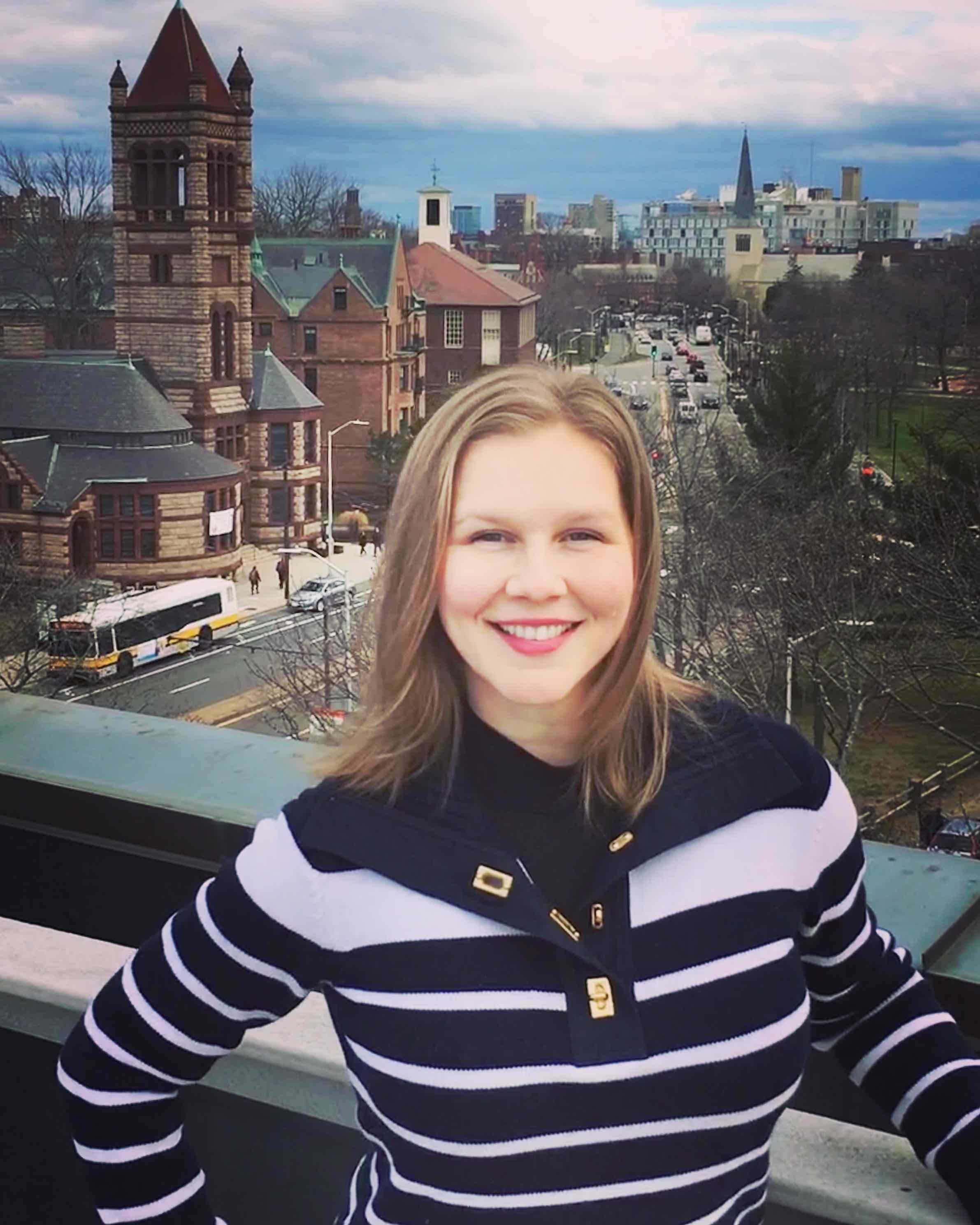
Vicktoria Barokha is the business director for the Providence-based National Center for Innovation & System Improvement, a training and technical assistance arm for national nonprofit The FedCap Group Inc. She oversees the organization’s Connect2Careers, which connects high school students with local employers to help students prepare for future interviews and offer guidance on how to enter various professional sectors.
More than 200 students from northern Rhode Island and the East Bay have registered to meet with more than 90 business professionals at this year’s Connect2Careers event, scheduled for Thursday, April 11, at Portsmouth High School.
Building a Strong Data Foundation in the Age of AI
Artificial intelligence (AI) has become a key priority in the boardroom and across management —…
Learn More
PBN: How did the idea for Connect2Careers come about?
BAROKHA: It originated in New York because that is where FedCap, the national nonprofit, is headquartered. They did a Connect2Careers there for their individuals to connect them to employers in a relaxed, educational setting, as opposed to a job fair. We want to provide answers to students to what is it like to work in a real-world environment with regards to their career interests but also give them that experience of interviewing real professionals.
So, we brought it here to Rhode Island and we were connected by the Northern Rhode Island Collaborative and the East Bay [Educational] Collaborative, so this caters to all the high schools in northern Rhode Island and on the East Bay. We have to have a 2-to-3 employer-to-student ratio so all the students can have a good time and interview practice with an employer of their interest. I’m trying to get more employers from the small-business community to come attend this event.
PBN: The number of students planning to attend this year is expected to double from last year. Are you surprised how quickly the event has grown?
BAROKHA: I’m not surprised, only because … some employers and students may have been shy at first. But now, their peers have done it … and have gone back and bragged about the event. Also, the collaboratives have gone to the school systems to tell them how much success this one event has produced. It’s a real feel-good event. People who go feel so great about what they’re doing and about their business.
We had anticipated having about 160 students this year; last year we had about 90 students who attended. But the registrations kept coming in and we had to cut it off at 200. This shows how important this program is and how students … not only see the value that they are getting, but also for employers and how they see value in this program, both to market their business and be part of this great, inclusive culture.
PBN: How significant is it for students with disabilities to meet with employers to see what career options they have in front of them?
BAROKHA: Very. Even though this experience is an educational one for students, relationships build out of this with students and employers. I still have employers who contact me and say, “Hey, how is Joe doing? Has he graduated college yet? I’d really love to hire him.”
Also, the most important thing this event does, outside of promoting inclusion, is it really allows students to practice how, say if they have a hearing impairment, they would communicate in an interview setting. So, this is a good way for them to practice and for the employers to learn how to interview someone who, say, speaks with an iPad.
PBN: Have students gained employment from this event?
BAROKHA: Jobs have resulted from this event, even though it’s not our goal at this particular event; it just happens because employers, once they spend time with these students, a whole new world opens up to them. A lot of these students, many of them graduate and go on to college. But they kept these relationships with some of these employers, either to secure internships going forward or just use them for advice.
What we do for students is we give them a goody bag that has a folder with their resume inside. Also, we include business cards for them. So, during our networking hour, the students can go to the tables that they didn’t have a chance to interview with and give their business cards to the table and learn a little bit more about what it’s like to work for Amazon, or places like that.
PBN: The program’s current focus is northern Rhode Island and the East Bay. Do you hope to expand the Connect2Careers program across the state?
BAROKHA: Absolutely! What would have to happen is we would need to have different Connect2Careers events in different regions [in Rhode Island]. Right now, we only have enough space in the northern [part of the state] and the East Bay. But we can certainly do one in central Rhode Island, or the Providence area, and Westerly and southern area.
James Bessette is a PBN staff writer. Email him at Research@PBN.com.