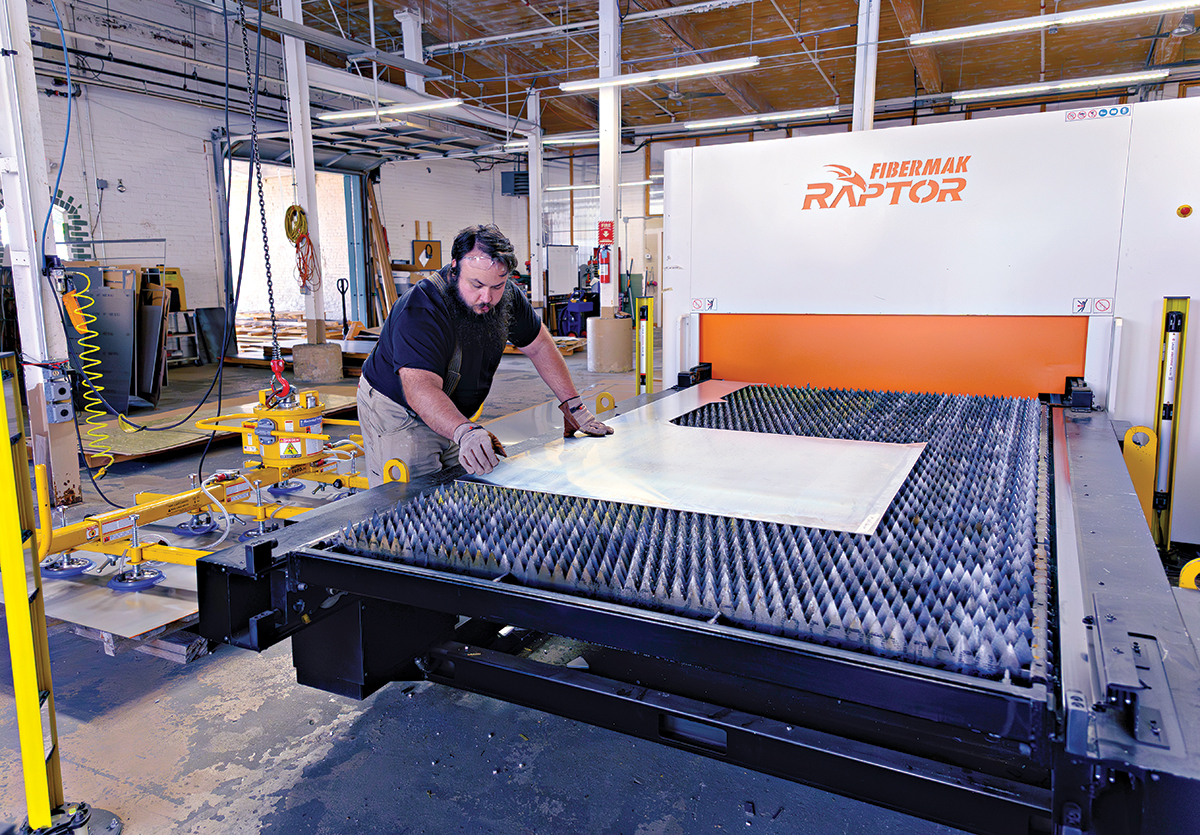
Less than a year ago, Kelly Ward, co-founder and president of Ward’s Manufacturing LLC, envisioned that the company would be spending the spring and summer of 2025 hiring more employees, expanding internationally and growing revenue.
But a lot has changed. Instead of seeking new workers, the Warren metal fabrication business – launched in early 2024 by Kelly and her brother Kiffin Ward – found itself overhauling its customer base and chasing down new vendors.
In March, Ward’s Manufacturing’s largest, most reliable customers – including almost all of its international partners – retreated as tariffs instituted by the Trump administration surged erratically.
Accordingly, the siblings cast aside plans to meet with consulates and economic groups in eastern Canada, where the company’s services had been in high demand.
The Wards managed to grow their revenue despite these setbacks, Kelly Ward said. But the company’s profit margins haven’t followed suit.
See related story: Factories under strain as they try to counteract higher duties
“Costs continue to rise and products continue to be delayed,” Ward said. “We’ve pivoted to industries [that have been] less affected, but imagine where we could be right now had [the tariffs] not happened.”
Efforts to find new customers played a vital role in the company’s resilience, Ward said, and took the business down some unexpected avenues.
“We’ve expanded in art, actually,” Ward said, selling to customers in interior design and luxury and custom-fixture markets. “That kind of world is still hit by tariffs, but maybe less influenced.
“Where things have continued to be slow is original equipment manufacturers – [American] companies that are reliant on goods not made in the U.S., so they have no choice but to pay the tariffs,” she said.
The Wards also had to find new suppliers – a lot of them. The company used to rely on a vendor or two for typical orders but now has to shop around five to 10 suppliers before finding the goods that they need. And orders that previously took two days to ship could now take more than a week due to supply shortages.
In a broadly reeling industry, new and small manufacturers such as Ward’s face particular challenges. By stockpiling component material in advance of the tariffs, many large companies were able to delay the brunt of tariff-related effects on their businesses. As a result, observers say, many of those expenses haven’t been passed on to American consumers.
But this activity “caused a shortage for small companies like us that can’t afford to spend capital on large [purchases] at once,” Ward said. And after large companies bought up most supplies, prices skyrocketed for remaining stock and shipping times became interminable.
On top of that, Ward’s status as a contract manufacturer that largely deals with custom orders makes long-term planning difficult, Ward said.
While the business has been able to adapt, Kelly Ward isn’t holding out hope that the tariff situation will change soon.
Even if the legal fight against President Donald Trump’s tariffs is successful at the U.S. Supreme Court, Ward said, any rebate the business received would do little to offset what had already been expended.
“We welcome the idea of there being a tariff exemption,” she said. “But ending the trade wars, reverting the tariffs, or at least offering comprehensive, well-thought-out exemptions, especially for raw materials – that would make an impact.”
Meanwhile, even large, established manufacturers may soon raise their prices, observers say, with their inventory stores starting to run out. With eight months having passed since the tariffs took effect, Ward is among those noticing that businesses seem to think they can no longer afford a wait-and-see approach.
The tariffs are “really a tax on American businesses,” Ward said. “And when a business’s costs increase, they have to pass it on to the customers. So the people paying these tariffs are American customers and American businesses.”