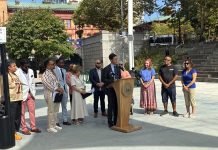
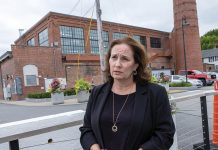
PROVIDENCE – From clean air to better transportation and the future of the embattled R.I. Coastal Resources Management Council, six gubernatorial candidates sparred over environmental issues Tuesday evening at Rhode Island College.
The forum, organized by the Environment Council of Rhode Island and the Rhode Island College Environmental Club, featured six candidates, including Democrats Matthew A. Brown, Helena Buonanno Foulkes, Secretary of State Nellie M. Gorbea, Gov. Daniel J. McKee and Dr. Luis Daniel Muñoz, and Republican Ashley M. Kalus.
ISO 9001:2026: A Practical Opportunity to Build for What’s Next
For Rhode Island manufacturers, ISO 9001 has been much more than a certificate on the…
Learn More
At the forefront of the conversation was transportation, which is currently the largest source of emission in the state. All candidates agreed that the state needs to move towards the electrification of transportation and phase out the sale of gas-powered cars, but there were some disagreements on whether Rhode Island should set a date for the goal or on what the date should be.
“I believe in choice, not mandates,” Kalus said. “If we set a date too soon what you’re going to do is create an adverse incentive for individuals to leave the state to buy gas powered cars.”
A recent letter from 36 transportation-focused groups to the candidates was also brought up at the forum, asking the state to diversify mobility choices.
“We need to rethink how [the R.I. Department of Transportation] is managing its operations,” Gorbea said. “I support making sure that we reinvent DOT … and really address what people want.”
Kalus spoke on the importance of making transportation more affordable; Muñoz said the state should focus on intermunicipal trolley systems; Foulkes said the state must reinvent public transportation; while Brown fully supported the letter, saying he would also replace RIDOT director Peter Alviti with “someone who takes climate seriously.”
Throughout the forum, McKee repeatedly pointed out that his administration is already addressing many of the issues discussed, including his Rhode Island 2030 plan.
A moment of tension arose when Brown confronted Gorbea over contributions she received from the fossil fuel industry, asking her whether she planned to return the money. Gorbea said she has been dedicated to the people of Rhode Island for years and will continue to do so as governor, calling Brown’s accusation a “diversionary tactic.”
The candidates spoke in agreement on the urgency to address environmental injustices and the disproportionate effect of pollution on communities of color and those with low incomes, with Kalus stressing the importance of education reform and Brown stressing the importance of standing up against the polluting industries in the state.
“We hear justice all the time, we hear equity all the time,” said Muñoz, who said funding is a key factor to address environmental injustice. “But we need to assess these things, we need to quantify them and then we need to hold the government accountable for adequately funding programs that can actually ensure we are decreasing pollution, pushing fossil fuel companies out and creating pipeline programs.”
On plastic pollution reduction, all candidates spoke out against plastic pyrolysis, a method of plastic recycling that produces fuel. They all agreed that there are better technologies available for the state than pyrolysis.
“We’re not gonna see that in the state of Rhode Island as long as I’m governor,” McKee said.
Foulkes put emphasis on producer responsibility and holding companies accountable. But Gorbea took it a step further and said that recycling is not enough anymore: the state must move away from plastic altogether.
“We cannot recycle our way out of this problem,” Gorbea said. “What we need to do is to limit and reduce the production until we move away from it.”
When asked about the CRMC, Foulkes said she would entirely reform the council, which she said is currently made up of “politically appointed members” who hold the power to overturn the word of environmental experts.
Other candidates agreed, with the exception of McKee, who insisted the council does have members with certain “expertise,” a statement which was swiftly criticized by Brown.
Claudia Chiappa is a PBN staff writer. You may contact her at Chiappa@PBN.com.