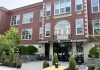
Delta Dental of Rhode Island has established a $3-million charitable endowment, to be managed by The Rhode Island Foundation, to help improve dental health services for children, the poor and the elderly, including frail nursing home residents.
President and CEO Joseph A. Nagle announced the initiative on Wednesday at the Berkshire Place Nursing Home in Providence to highlight the particularly dire needs of poor seniors. A recent Rhode Island Foundation report showed that only 29 percent of the state’s elderly Medicaid recipients living in nursing homes received any dental services in 2001 and 2002.
For Leaders Who Don't Have Time to Get Sick
Top performers guard their calendars, delegate relentlessly and optimize every hour of the day. Health,…
Learn More
Nagle said low-income seniors would be a priority for the new fund, “because they represent a significantly underserved population for dental services.”
The state’s nursing homes serve about 11,750 Medicaid recipients each year, according to the Rhode Island Foundation report, and given that Rhode Island’s over-65 population is expected to grow by 32 percent by 2020, the inadequacy of dental care for them is viewed as a “crisis.”
The reason for the problem is simple, policymakers and people in the industry say:
Medicaid pays only $13 to $15 for a typical visit to a dentist’s office, and even with the extra $32 “house call” fee the program pays for nursing home visits, the total is well below the $60 to $65 a dentist gets from private insurers.
Yet seniors – and poor seniors especially – often direly need dental care, according to the U.S. Centers for Disease Control and Prevention. Many grew up well before community water fluoridation and other fluoride products, and nearly one-quarter of people ages 65 to 74 have severe gum disease. Dry mouth – a common side effect of medication – aggravates oral disease, the CDC says, and tooth loss can affect nutrition, because it can lead seniors to eat primarily soft foods and avoid fresh fruits and vegetables.
As the company described it, the endowment will fund programs created by charitable organizations to support “vital oral health needs,” including new equipment purchases, educational programs, dental clinics and personal care programs. There will be specific application guidelines to determine which groups get grants.
Nagle said the company would also consider supporting measures recommended in the foundation’s report, particularly the development of a mobile dental office model.