Nearly 20 percent of the upholstery fabric that rolls out of the manufacturing plants at Quaker Fabric Corp. in Fall River is destined for factories abroad.
The foreign markets are strong for Quaker, but the company’s top executive Larry Liebenow says they could be better.
Liebenow said the U.S. needs to be more aggressive in seeking out trade expansion if Quaker and other U.S. companies are to capture the opportunities foreign companies have enjoyed.
Your Business Has Gone Global. Has Your Insurance?
A decade ago, “doing business internationally” was mostly a large-company concern. Today, a manufacturer in…
Learn More
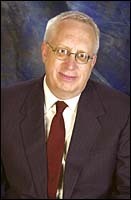
Liebenow, Quaker’s president and CEO, will take that message to lawmakers and business leaders this year, serving as chairman of the United States Chamber of Commerce’s board of directors.
He is the first executive from a Massachusetts company to become chairman of the chamber in more than a decade, and he might be the first ever from Southeastern Massachusetts.
The chamber is the world’s largest business federation, representing more than three million businesses.
Liebenow said he will lobby lawmakers to pass legislation that enables the President to negotiate international trade deals. The Republican leadership of the House was working late last week toward moving its version of the "fast track" or "trade promotion authority" bill to a conference with the Senate. The House passed its bill last December by a vote of 215 to 214. The Senate passed its expanded version of the bill last month and the conference committee would try to work out the differences in an effort to produce a bill both the Senate and the House could approve.
Liebenow also said he hopes to spotlight business issues involving immigration policies, taxes and class-action lawsuits.
Liebenow, whose term runs for a full year, was elected to his post two weeks ago. He will likely have a receptive audience in Washington, as national election campaigns kickoff.
"U.S. businesses are at an enormous disadvantage. It’s something we must address," said Liebenow, who lives in Providence.
The chamber’s board of directors consists of more than 90 business executives from across the country. Liebenow has served on the board of directors since 1996, including holding the post of vice chairman from 2001-2002 and chairman of the chamber’s International Policy Committee.
"Larry Liebenow is a distinguished member of the business community and brings an impressive blend of political savvy and broad international experience to this position," said Thomas J. Donohue, chamber president and CEO.
Chamber members also pointed to Liebenow’s success at Quaker. Since he joined the 57-year-old textile company in 1989, Quaker’s revenues have jumped from $90 million annually to $330 million. Meanwhile, the work force at the publicly traded company has tripled in size to 3,000 employees.
Quaker sells products in more than 40 countries throughout the world, producing over 40 million yards of fabric a year at its facilities in Fall River and Somerset, Mass. The company is the largest producer of Jacquard upholstery fabric in the world.
Liebenow, who also serves as director of the American Textile Manufacturer’s Institute, sees the most promise for growth at his company coming from outside the U.S. borders.
"We have created 500 jobs in this area in Fall River and in Rhode Island as a result of our building an international market for our products. We believe the international market will be the fastest growing for us and other companies," said Liebenow, a native of Oregon.
The first step to igniting foreign trade expansion is to put more power in the hands of the President in negotiating trade deals, he said. Liebenow said "fast track" status would require Congress to vote up or down on trade pacts negotiated by the president, instead of amending them. Since Gerald Ford presidents have had that power, up until eight years ago when it expired, and the Republican controlled Congress refused to grant the authority to then President Clinton.
"The President should be able to negotiate trade agreements bilaterally or multilaterally that enhance the access American manufacturers have to international markets," said Liebenow. "Countries all over the world are making trade agreements. We have been excluded."
Aside from lobbying in Washington, Liebenow will also work closely with state and local chambers, American Chambers of Commerce abroad and with groups to educate business leaders about various business issues.