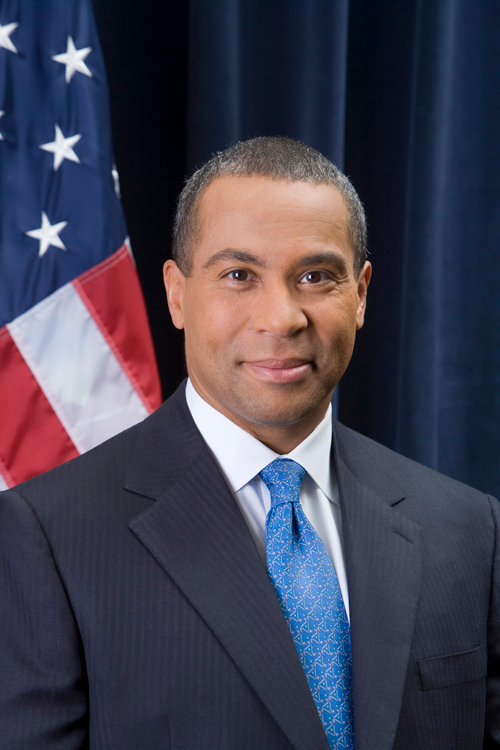
Massachusetts Governor Deval L. Patrick proposed a $30.5 billion budget for fiscal 2012 that counts on changing municipal health care plans and the state pension system to help offset cuts to local aid.
The proposal would lower annual spending by $570 million compared with fiscal 2011, which ends June 30, a 1.8 percent reduction that would represent the largest year-over-year drop in 20 years, Patrick said Wednesday in a statement.
“This budget makes investments in critical areas that will help strengthen our economy in the near-term, position us for a strong recovery in the long-term, and continue to improve the way government does business,” said Patrick, 54, a Democrat re-elected in November.
The longest recession since World War II cut tax receipts for U.S. states by the most on record, the Center on Budget and Policy Priorities in Washington said in a Jan. 21 report. While revenue is rebounding, states still face at least $125 billion in fiscal 2012 deficits as federal economic-stimulus funds wind down, said the nonprofit group, which focuses on policies affecting lower-income Americans.
Patrick’s cuts include lowering unrestricted local aid by $65 million to $833.9 million. He said the reduction could be offset by savings if cities and towns join a state-run health-insurance program while moving eligible retirees into federally funded Medicare coverage.
Pension Savings
Building a Strong Data Foundation in the Age of AI
Artificial intelligence (AI) has become a key priority in the boardroom and across management —…
Learn More
The governor outlined pension changes last week that he said would save state taxpayers more than $5 billion over 30 years. On Wednesday, he said the proposals would save cities and towns $3 billion in retirement costs, including $1 billion in lower health-care expenses.
The spending plan would use $200 million from the state’s stabilization, or rainy-day, fund to offset the loss of federal stimulus funds. It also would cut spending on mental-health services, emergency homeless shelters and a program providing counsel to indigents. If Patrick’s proposal is adopted, Massachusetts would prune as many as 900 government jobs, on top of 5,900 eliminated since October 2008.