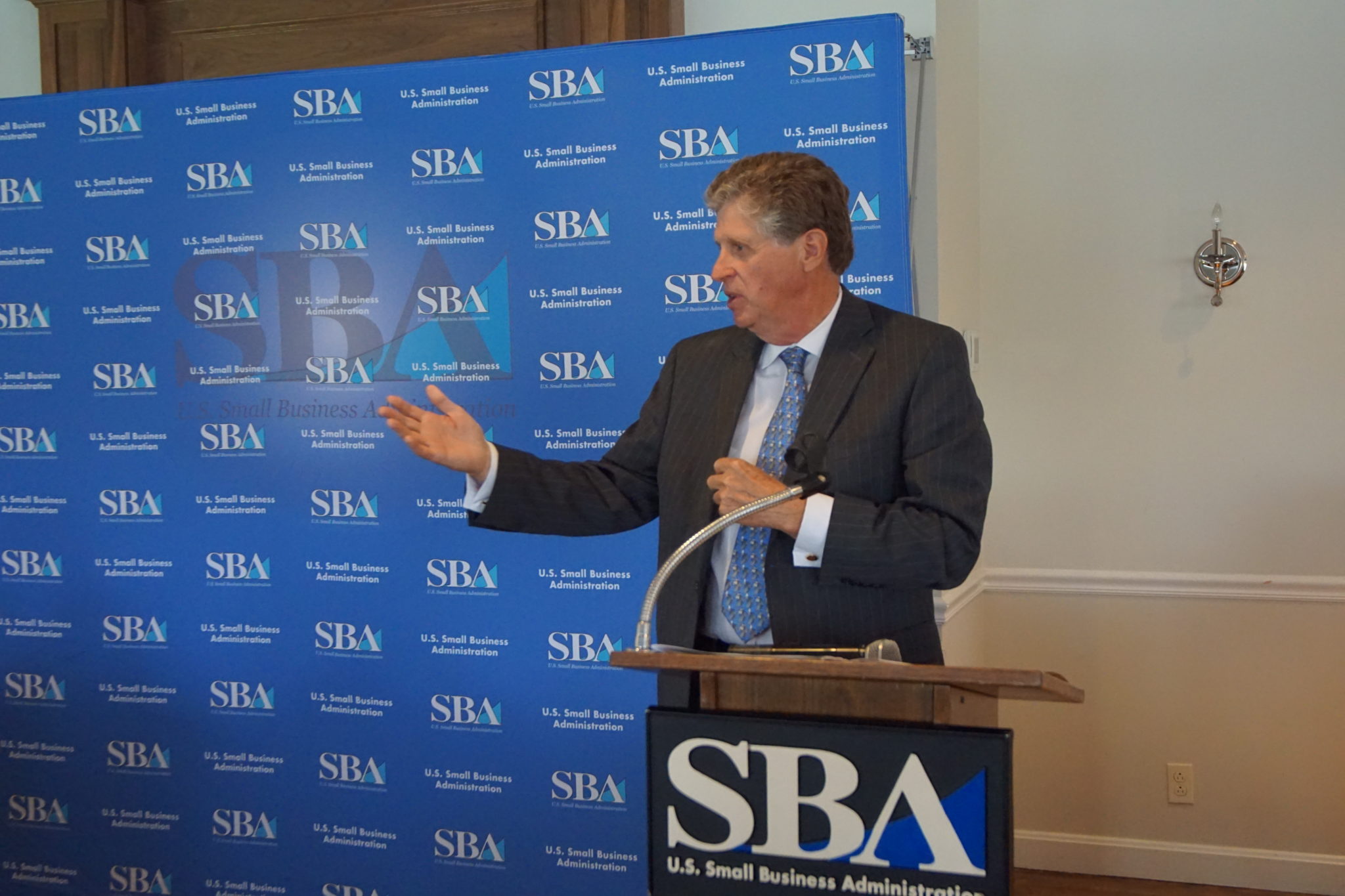
WARWICK – Lt. Gov. Daniel J. McKee has filed a motion to block a proposed rate hike that would increase monthly electricity costs for Rhode Island residents and businesses by about 20 percent.
McKee on Monday filed the motion to intervene with the R.I. Public Utilities Commission, a regulatory body responsible for deciding whether to approve the rate increases proposed by National Grid PLC earlier this year.
Your Business Has Gone Global. Has Your Insurance?
A decade ago, “doing business internationally” was mostly a large-company concern. Today, a manufacturer in…
Learn More
The state’s largest utility would increase both commercial and residential fixed electricity rates for the six-month period beginning Oct. 1. Commercial costs would increase 51.9 percent to 9.3 cents per kilowatt hour. Residential costs would increase 52.8 percent to 6.2 cents per kilowatt hour.
McKee, in a letter to the PUC, called the proposed rate hikes “unacceptable.”
“It is an unbearable burden for our small businesses and residential customers,” he wrote. “Another rate hike is a step in the wrong direction when it comes to making Rhode Island a better place to live, work and own a business.”
For small-commercial customers, using 1,000 kilowatt hours of electricity per month, electricity costs would increase 19.6 percent – or $33 – to $201 per month. For general commercial customers, using 6,000 kilowatt hours per month, costs would increase 21.5 percent to $1,131 per month.
The average monthly consumption for commercial customers in Rhode Island during 2015 totaled 5,241 kilowatt hours, according to the U.S. Energy Information Administration.
“Across the state, again and again, we hear that the rising cost of electricity is the top concern for our local businesses,” McKee wrote.
The cost for a typical residential customer would increase to $106 per month from $89 per month, representing a 19.1 percent increase.
McKee is asking the state regulators to consider how these increases would impact Rhode Islanders and businesses. He urged the PUC to review National Grid procurement plans, pointing to some alternative energy suppliers that offer electricity at a cheaper rate.
“This raises a key question: How is it that the competitive suppliers are able to offer much lower prices than National Grid can?” McKee asked.
Andrea Palagi, a spokeswoman for McKee, said the goal is to have regulators consider the lieutenant governor’s argument, and “not approve the rate hike as proposed.”
McKee was the only individual to file a motion to intervene before an Aug. 8 deadline set by the PUC, according to its website.
The three-member regulatory body has scheduled a public hearing at 9:30 a.m. on Aug. 22 in Warwick.
The PUC has the authority to approve different rates, higher or lower, and could rule immediately at the conclusion of the hearing.
Eli Sherman is a PBN staff writer. Email him at Sherman@PBN.com, or follow him on Twitter @Eli_Sherman.