PROVIDENCE – Thirty-four Rhode Island municipalities have developed plans meant to prevent and respond to overdoses at a local level, state officials say.
Created to align with an overarching plan outlined by Gov. Gina M. Raimondo’s Overdose Prevention and Intervention Task Force, each community’s course of action utilizes its resources and strengths in order to address unique challenges.
Building a Strong Data Foundation in the Age of AI
Artificial intelligence (AI) has become a key priority in the boardroom and across management —…
Learn More
Plans were funded by grants from the R.I. Department of Health, which also supplied relevant data.
Examples of initiatives in local overdose response plans include:
- Municipal officers in Richmond and Hopkinton partnered with the R.I. State Police on the Heroin-Opioid Prevention Effort Initiative to learn about post-overdose outreach.
- Firefighters and EMS in Portsmouth, Tiverton and Little Compton trained in mental health first aid with a Bradley Hospital staff member and implemented the Safe Stations program on Aquidneck Island.
- Providence collaborated with Project Weber/RENEW on outreach in areas of the city where overdoses are most common. Peer recovery specialists distributed hundreds of resources, including sterile syringes and fentanyl test strips, to people at risk of overdose.
According to the state’s health department, Rhode Island saw a 6.5% decrease in overdose deaths over the past two years, with 336 in 2016 compared with 314 in 2018.
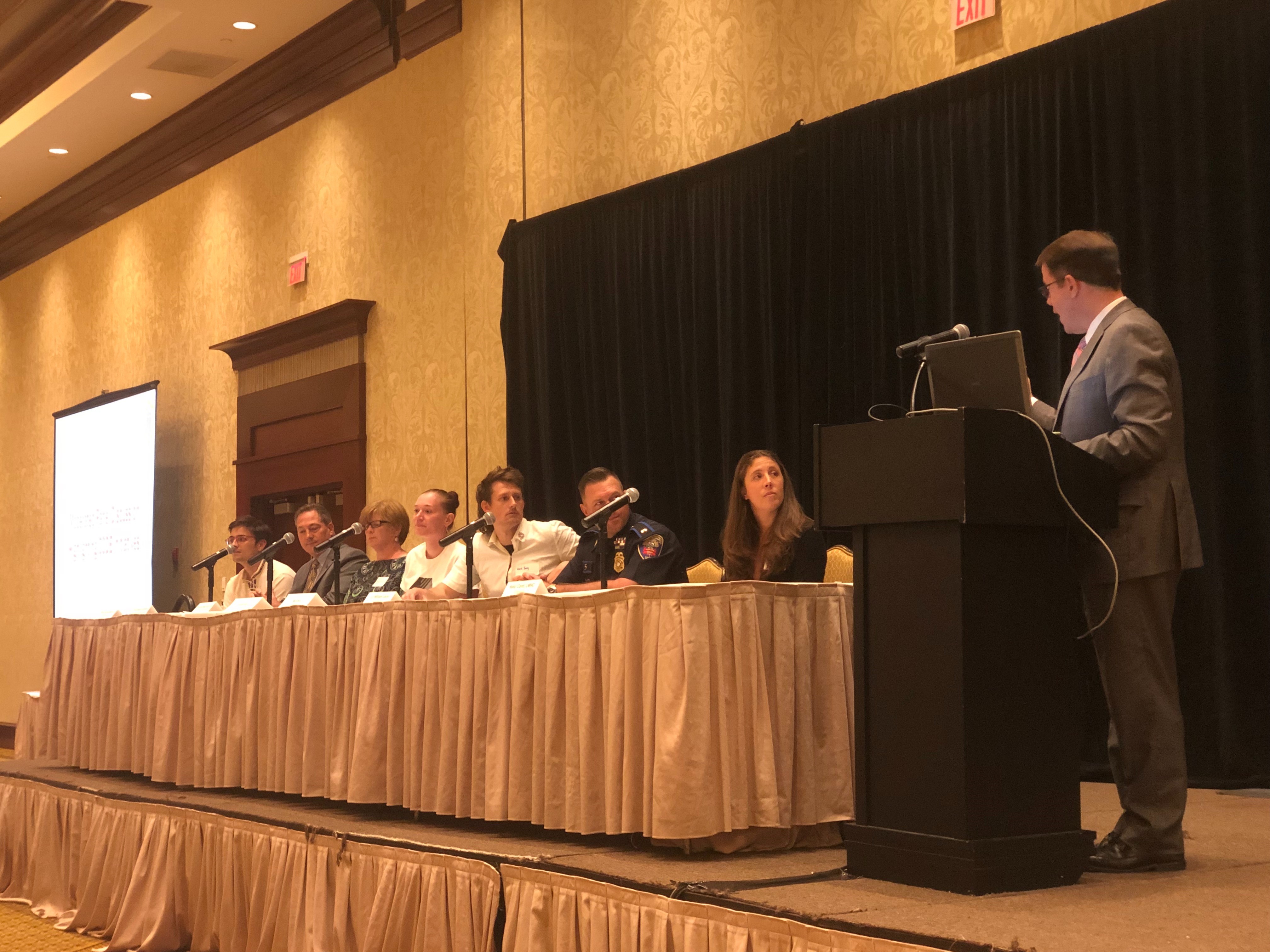
Municipalities’ progress was recognized recently at the Community Overdose Engagement Summit, which was attended by more than 300, including Raimondo, state and municipal officials, first responders, treatment and recovery specialists, and others.
Cities and towns began work on local overdose prevention and response at the initial summit in 2017. A health department grant of up to $5,000 was available to the 25 municipalities that began creating plans at that time.