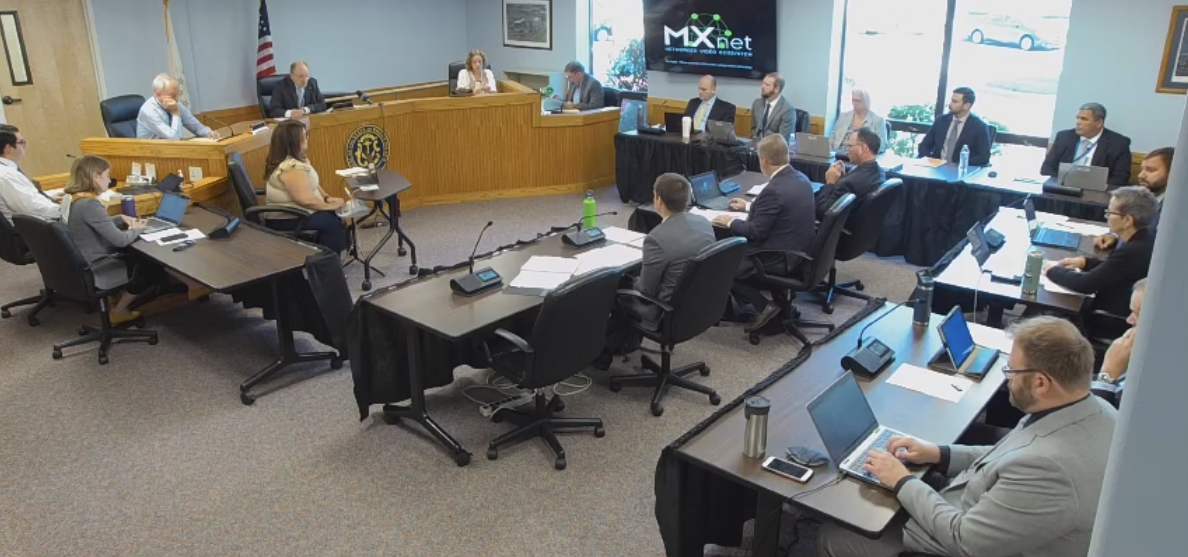
WARWICK – The R.I. Public Utilities Commission adjourned its hearing Wednesday without taking a vote on Rhode Island Energy’s proposed winter utility rates that would take effect on Oct. 1, and will likely take up a vote early next week.
The state’s major gas and electricity supplier is proposing the six-month rate, which would be in effect until March 31 2024, that would result in a $32.29 per month increase for the average Rhode Island resident with a 500-kilowatt-hour monthly use, a 24% increase over the current rate, according to R.I. Energy filings.
Your Business Has Gone Global. Has Your Insurance?
A decade ago, “doing business internationally” was mostly a large-company concern. Today, a manufacturer in…
Learn More
Commercial customers’ monthly bills would rise between 10% and 29%, according to the utility.
The new rates would be lower than those approved last winter, when the average increase for a residential customer was roughly $52 per month, or 46%.
Known as the “Last Resort Service Rate,” the proposed prices are applicable only to customers who utilize this default rate, and do not apply to the roughly 30% of customers enrolled in a community aggregation plan or who use an alternate supplier.
On Wednesday Rhode Island Energy repeated its argument that its powerless over electricity costs, which are set by its suppliers and determined by the global energy market. The LRS rate relates to the supply of energy, which it does not profit from, and not to delivery services.
If denied, Rhode Island Energy representatives said the company would absorb $114 million in losses, or approximately 38% of revenue, impacting its credit rating and increase borrowing costs.
RIPUC Chairman Ronald Gerwatowski said Wednesday that despite the growth in renewable energy sources, “the main driver of electric rates in New England is the market price of natural gas.”
The General Assembly and Gov. Daniel J. McKee included in the fiscal 2024 budget a suspension of the gross earnings tax, as well as a $3 million allocation to assist low-income customers thru the Regional Greenhouse Gas Initiative administered by the R.I. Office of Energy Resources.
Still, R.I. Special Assistant Attorney General Nicholas Vaz said a partial return to the historically higher winter rates of 2022 creates “extremely difficult choices for Rhode islanders … and leave people faced with heartbreaking decisions that no one should have to make.”
In written testimony, Rep. David Morales, D-Providence wrote that “it is absurd for R.I. Energy to pretend these rate hikes are inevitable as it has become relatively clear that the company values their shareholders and profit more than their actual customers who depend on utility services.”
In its application to RIPUC, the utility said it anticipates summer rates filed in January 2024 “will be lower than the winter rates the company is proposing in this filing.”
Christopher Allen is a PBN staff writer. You may contact him at Allen@PBN.com