RESTON, Va. – Rhode Island is a state with 87 high-hazard dams, 156 structurally deficient bridges and 6,401 public road miles – 70 percent of which are considered to be of poor or mediocre quality.
These are some of the findings in the 2013 Report Card for American’s Infrastructure, released Tuesday, by the American Society for Civil Engineers.
ISO 9001:2026: A Practical Opportunity to Build for What’s Next
For Rhode Island manufacturers, ISO 9001 has been much more than a certificate on the…
Learn More
In each of the 50 states, the report examines need, operation and maintenance, public safety and resilience in 16 categories, including aviation, bridges, dams, drinking water, energy, hazardous waste, inland waterways, levees, ports, public parks and recreation, rail, roads, schools, solid waste, transit and wastewater.
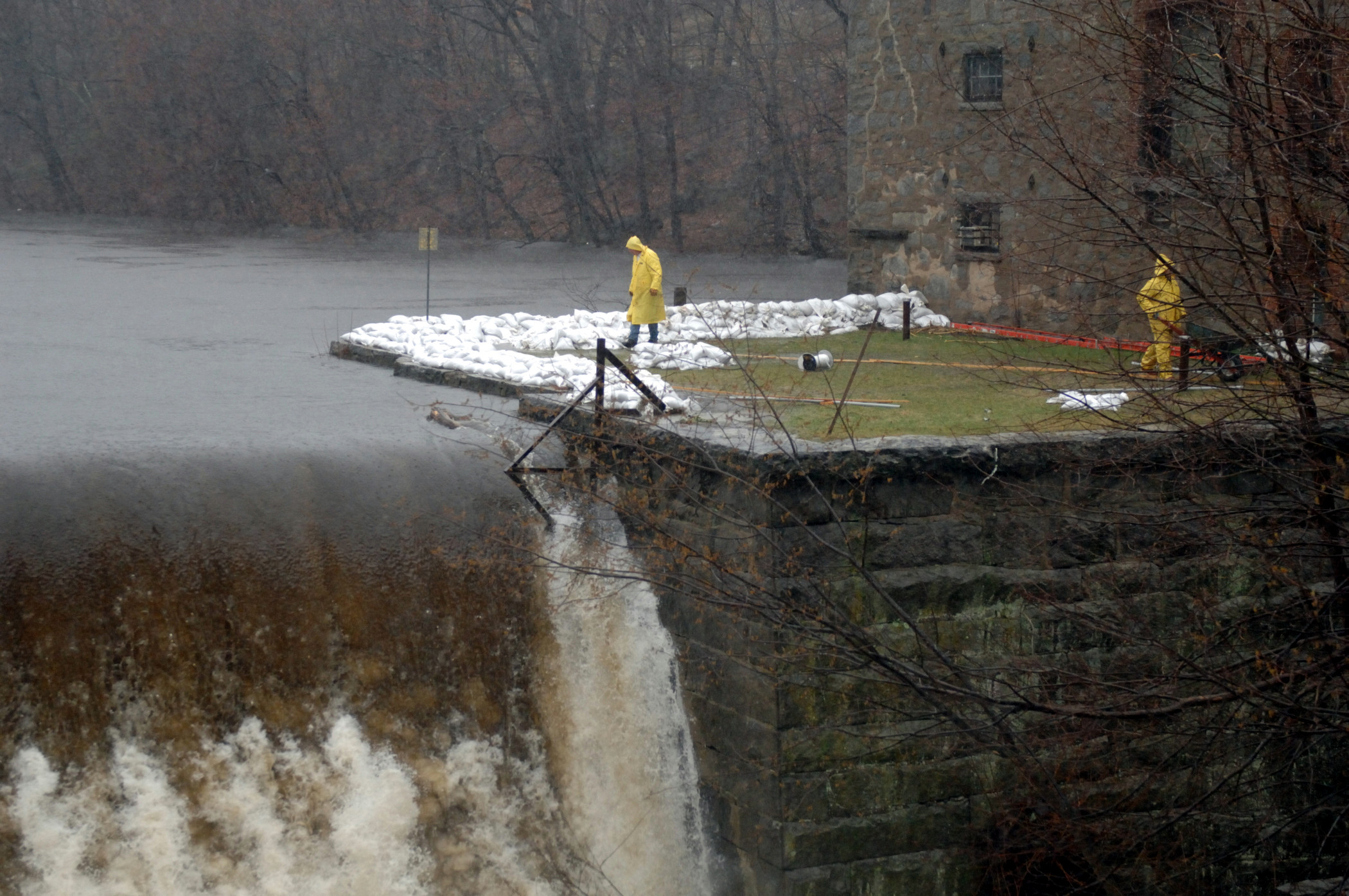
In Rhode Island, dams, drinking water, bridges and public roads are infrastructure with issues.
The report points out that none of the state’s dams have emergency action plans and that Rhode Island has a reported $428 million in drinking water infrastructure needs during the next 20 years.
Additionally, the state has 12 hazardous waste sites on the National Priorities list, and about 21 percent of its 757 bridges are considered structurally deficient, and about 34 percent functionally obsolete.
The report also found that driving on Ocean State roads in need of repair costs motorists $350 million a year in extra vehicle repairs and operating costs, or about $467 per motorist.
Rhode Island also has reported an unmet need of $3.6 million for its parks system. In addition, the report estimated that the state’s schools have $696 million in infrastructure funding needs.
Despite these findings, the report does note two success stories, the first of which is the opening of the Wickford Junction Train Station in North Kingstown. The station, which provides 20 trips to and from Boston each day, is expected to relieve increasing traffic congestion in the southern part of the start. The report notes that the project was completed on time and under budget, saving the state $4.5 million.
The other success story is the Pawtucket River Bridge Replacement Project, which included the elimination of an aging structure, and the construction of three new bridges: a bridge to carry I-95 northbound; a bridge to carry I-95 southbound; and a bridge on which the on and off ramps to George and School streets will be located. The project is expected to be completed on time later this year.
Compared to most states, and because of its size, Rhode Island ranks toward the bottom in several classifications. The state ranks No. 38 in miles of inland waterways with 40 miles, No. 35 in ports for its 8.4 million short tons of cargo handled in 2009, and last for mileage in the rail category for its single freight railroad, which covers 19 miles throughout the state. Rhode Island’s highway vehicle-miles traveled in 2009 was approximately 7,867 per capita, ranking it No. 46 in the nation. And in a section for renewable energy generated, the state ranks No. 49.
While letter grades are not awarded for states, the American Society for Civil Engineers does issue them for the nation. This year, America received a D+, a slightly better mark than its last, a D, or “Poor: At Risk” rating, in 2009.
The U.S. received Ds in most categories, and scored the highest in the solid waste category, earning a B-. The next highest marks were in the bridges and rail categories, which both earned C+s.
Nationally, about $3.6 trillion worth of infrastructure investments are needed by 2020, according to the report.
“The Report Card indicates a very moderate upward movement,” said Peter B. King, executive director of the American Public Works Association, which endorsed the report. “But an overall grade of D+ remains unacceptable.”
To see the full report, click HERE.