PROVIDENCE – More than 70 percent of Rhode Islanders are breathing unhealthy air pollutants, according to a new study released Wednesday.
The American Lung Association, a voluntary health organization founded in 1904, released its 2017 State of the Air report. The annual report shows soot pollutants – produced largely by coal-fired power plants, diesel engines and wood burning – decreasing in Rhode Island air compared with a year earlier.
Beyond Cash Donations: How New Forms of Giving Are Transforming Not-for-Profit Accounting
Evolving Funding Landscape for Not-for-Profits Not-for-profit organizations are being asked to do more with less,…
Learn More
However, ozone pollutants, or smog, have increased. Smog comes from emissions like car exhaust, gasoline vapors and industrial facilities.
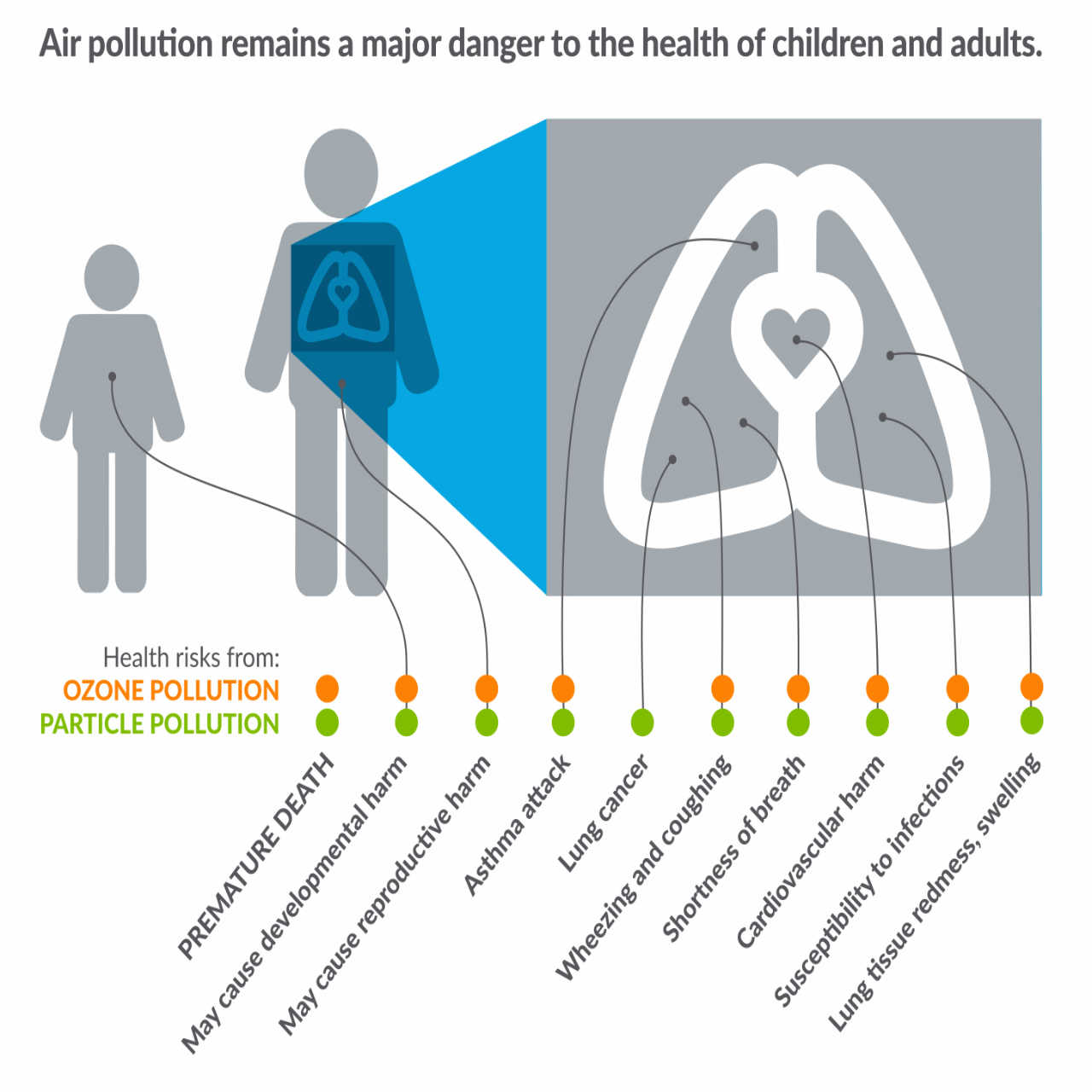
“Rhode Islanders are breathing unhealthful levels of ozone, putting them at risk for premature death and other serious health effects such as asthma attacks, worsened COPD symptoms and cardiovascular harm,” said Jeff Seyler, president and CEO of the ALA Northeast.
Kent, Providence and Washington counties are in the study. Providence and Washington counties received failing grades for smog levels, ranking among the worst in the Northeast region. Kent County improved to a “D” grade after last year receiving an “F” grade.
Washington County had 16 “high ozone days,” or days when there were unhealthy levels of pollutants in the air, according to the association, which deems it a health risk.
“People with lung disease are extremely at risk from ozone pollution,” said Jennifer Wall, director of education and public police in Rhode Island for the ALA Northeast, in a statement. “Ozone is also harmful to children and older adults.”
Nationwide, the 18th annual report shows lower smog and year-round soot levels. However, it also showed extreme, short-term spikes in soot pollutants. Spikes are often due to wildfires or droughts.
Smog and soot are the two most widespread outdoor air pollutants, according to the report. Soot levels fell nationwide, and are significantly lower in Rhode Island than elsewhere. Kent and Washington counties received “A” grades for soot levels. Providence received a “B.”
Despite the improvement, however, the ALA is concerned about policy considerations at the federal level. The association says possible rollbacks in environmental regulations and slashing related budgets could negatively impact air quality.
“Healthy air protections are under attack, and must be defended to save lives here and across the country,” Seyler said. “The Lung Association in Rhode Island calls on President [Donald] Trump and [Environmental Protection Agency] Administrator Scott Pruitt and members of Congress to fully fund, implement and enforce the Clean Air Act for all air pollutants, including those that drive climate change and make it harder to ensure healthy air for all Americans.”
Eli Sherman is a PBN staff writer.