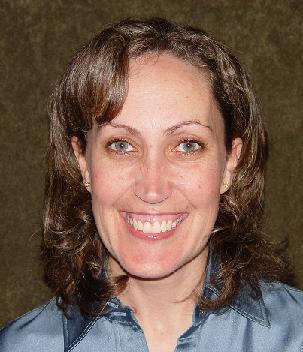
Kimberly Butler – vice president for gift planning and stewardship at The Rhode Island Foundation – has been named president of the Planned Giving Council of Rhode Island. Her new responsibilities include overseeing all new fund development, gift planning, professional advisor outreach, stewardship and donor service activities. Butler is also a member of the Planned Giving Group of New England and the National Committee on Planned Giving. Before joining the Rhode Island Foundation, she spent 12 years in fiduciary banking. She earned both her B.S. and MBA from Bryant College.
PBN: Why is planned giving so important?
Your Business Has Gone Global. Has Your Insurance?
A decade ago, “doing business internationally” was mostly a large-company concern. Today, a manufacturer in…
Learn More
BUTLER: Planned giving is a way for individuals to provide support to nonprofit organizations beyond writing a check. It opens up doors for donors to support charitable organizations in ways that they might not think possible or might not have imagined.
PBN: What is the membership like at the Planned Giving Council?
BUTLER: Our membership is about made up of about 100 people — approximately 60 percent are development professionals from nonprofit organizations in Rhode Island and 40 percent are allied professionals, such as attorneys, accountants and financial planners.
Membership provides an opportunity for education and professional development as well as networking with others in the field – we really learn from each other. For example, the mentoring program links new members with more experienced members to provide coaching and feedback. If you are a development professional working on a calculation or proposal for a donor, your mentor is available if you have questions or need advice.
PBN: As the new president of the Planned Giving Council of Rhode Island, what is your focus?
BUTLER: One of my primary goals is to recruit new members by communicating the benefits of membership. I hope to achieve this goal by reaching out to fellow development professionals and inviting them to a meeting and hopefully, through collaboration with other professional associations, such as the Estate Planning Council and the Association of Fundraising Professionals.
Many organizations are on a tight budget – but membership at the local level is only $125 a year, which is a very inexpensive way to attain high-quality education. •