PROVIDENCE – Following several years of modest growth, Rhode Island cities and towns are rapidly shifting more of their tax burdens to property taxpayers, hamstringing economic growth and widening the disparity between taxpayer classes, according to a new analysis released Monday by the Rhode Island Public Expenditure Council.
In fiscal year 2026 the statewide municipal tax levy rose by 3.7%, or $98.3 million, marking the largest increase in a decade. This jump coincides with rapid growth in property values, which surged by $61.47 billion, or 42%, between fiscal years 2023 and 2026 – 2.5 times the growth rate of the preceding three years.
The growth was driven primarily by residential real estate, property values increased by $55.16 billion, or 47%, over three years, more than doubling in value over nine years. Commercial real estate also saw strong growth of 26%.
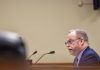
In the last nine years, less than three municipalities on average surpassed the state-mandated 4.0% levy cap; however, in fiscal 2026, the number was seven, which Michael DiBiase, CEO and president of RIPEC, said was particularly “concerning” given that Rhode Island taxpayers already face the 10th highest property tax levels in the nation.
“These patterns are most pronounced in the communities where most renters live and where most of the state’s business activity is concentrated,” he said.
And property tax growth is expected to further accelerate next year due to a new statewide tax on high-value, non-owner-occupied residential properties, projected to generate about $25 million annually.
In fiscal year 2026, the statewide effective commercial property tax rate was 54% higher than the residential rate, up from 41% in 2022.
The largest disparity was found in Providence, according to the analysis, with commercial real estate taxed at 3.5 times the single-family owner-occupied residential rate. This results in an annual tax bill of $29,200 for a $1 million commercial property – $20,800 more than the tax on an owner-occupied single-family home of the same value.
RIPEC found that renters and landlords are feeling the effects of local tax policies favoring owner-occupied housing.
Larger apartment buildings are typically classified as commercial property and taxed at higher rates in 21 municipalities. Additionally, 12 municipalities now use homestead exemptions that shift tax burdens onto non-owner-occupied properties.
In some areas, this leads to an annual tax bill gap of nearly $3,000 between owner-occupied and non-owner-occupied single-family homes at the median sale price.
This additional cost is often passed on to renters, who are more likely than homeowners to be burdened by housing costs, said RIPEC.
Since property taxes account for nearly 20% of housing costs and about 40% of state and local business taxes in Rhode Island, DiBiase said they play a significant role in decisions about business formation, location and expansion, as well as rental prices and the feasibility of building new housing.
“These policies impact fairness and have real consequences for two of Rhode Island’s most pressing challenges: housing affordability and economic prosperity,” DiBiase said.
In addition to maintaining the state’s 4% levy cap, the report recommends establishing constitutional limits on tax rate differentials among property classes, moving toward annual property revaluations, and expanding targeted property tax relief for vulnerable taxpayers.
“These issues have been building for years without meaningful reform,” DiBiase added. “The General Assembly has provided cities and towns with very few guardrails. Given the recent surge in property taxes, which are already high, the urgency for action is even greater.”
Christopher Allen is a PBN staff writer. You may contact him at Allen@PBN.com