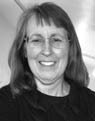
Dr. Dorothy Roof has joined SVF Foundation in Newport as chief scientist. Previously, she did research in cell and molecular biology. In her new role, Roof helps establish and maintain a laboratory for collection, cyropreservation and banking of genetic material from endangered breeds of cattle, sheep and goats. She works to create an archive of germplasm and cells representing rare breeds around the nation.
PBN: Why maintain biodiversity?
ROOF: Many breeds we are working with to preserve carry traits that are not highly valued or selected for current large-scale agricultural operations. In the future, recovering traits such as good mothering ability; hardiness in warm climates; or parasite resistance may help rebound from a large-scale agricultural disaster.
Seifert Systems Invests in Energy Efficiency to Strengthen Operations
For manufacturers, energy is more than just another operating expense. It plays a critical role…
Learn More
PBN: Does this work have other applications?
ROOF: It’s possible the way we are modifying protocols to apply to fairly unusual breeds could have applications to preservation of endangered exotic species. It’s also possible long-term storage of germ-plasm might lead to improved storage protocols for human tissue and germplasm.
PBN: Why are security measures important?
ROOF: For protection of animals and germplasm. It’s foolish to protect herds and risk casual contamination by someone who might have contacted animal waste while visiting a farm stand or equestrian barn, for example. It would be a shame to discover 100 years from now when germplasm is revived that we inadvertently preserved a disease-causing organism along with the desired materials.
PBN: How is this work different?
ROOF: Germplasm is new to me. Fortunately, tools used in modern biology are interchangeable. Culturing cells, viewing them in a microscope, putting cells in stasis at low temperatures – all of those are familiar to me from my previous work with nerve and epithelial cells.