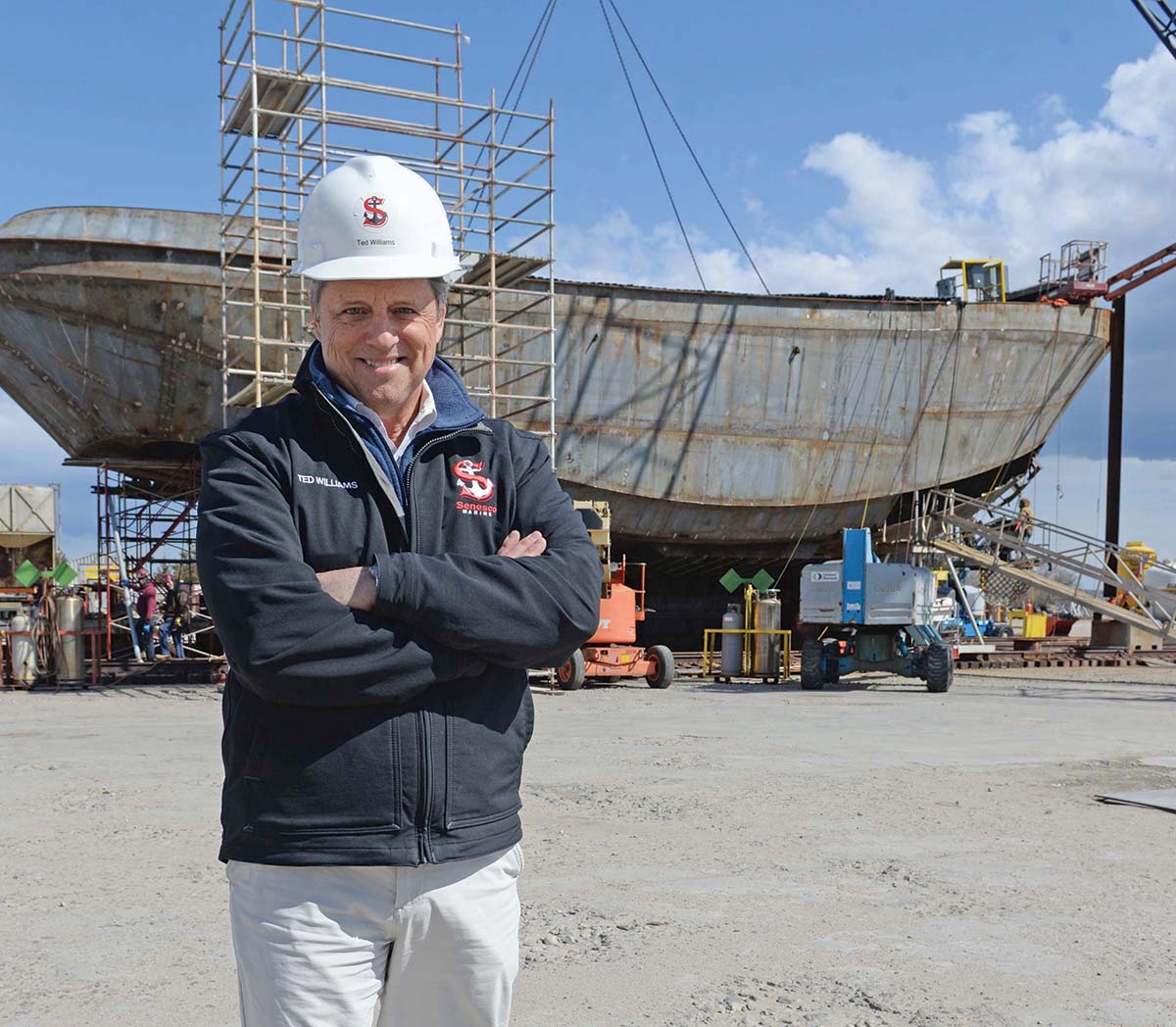
Ted Williams | Senesco Marine LLC president The evolution of any business is both exciting and daunting. Leaders are often faced with a fundamental choice: Venture into uncharted waters with the potential to lead an industry, or pause, observe and cautiously evaluate change before committing time and capital. Today, this tension is especially evident in
Already a Subscriber? Log in
To Continue Reading This Article
Become a Providence Business News subscriber and get immediate access to all of our premier content and much more.Learn More and Become a Subscriber
- Critical RI business news and analysis updated daily.
- 1 year of print (26 issues).
- Unlimited access to all subscriber only content on our website, on any device.
- Free email alerts.
- Annual Book of Lists Print Edition.
- All special issues produced during subscription term.
Click Here to purchase a paywall bypass link for this article
PBN Branded Content
A modernized health plan: Supporting cost management and the employee experience.
The Surest health plan came from a group of innovators wondering: What if health care…
Learn More