WATERTOWN, Mass. — Tufts Health Plan will pass prescription rebates directly to fully insured commercial members on high-deductible Saver plans when they fill their prescriptions starting Jan. 1, 2019, immediately lowering their drug costs, a significant barrier to faithfully following doctor’s orders.
“While we can’t control the prices manufacturers charge, by implementing point-of-sale rebates, we can help reduce the cost impact so our members can access the medications they need,” said Marc Backon, president of commercial products at Tufts Health Plan.
Building a Strong Data Foundation in the Age of AI
Artificial intelligence (AI) has become a key priority in the boardroom and across management —…
Learn More
Backon said the impact on people with high deductible plans should be significant.
“The rebate will happen at the point of sale where the prescription is filled, which directly reduces the member’s out-of-pocket cost. For example, if the cost of a drug is $500 and the manufacturer’s rebate is 20 percent, or $100, and the member is in the deductible phase of an HDHP, then he/she will be responsible for paying $400 rather than the full drug cost of $500,” Backon said.
The rebates will be given at the time that the member fills their prescription at more than 68,000 participating pharmacies.
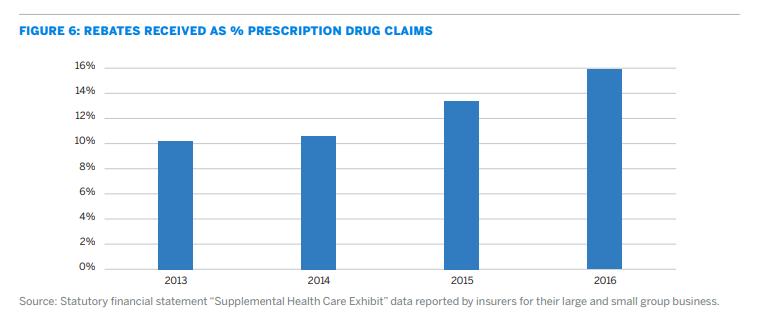
Historically, he said, Tufts Health Plan would directly pass on any drug rebate to help lower overall member benefit costs – premiums, deductibles and co-payments, but Tufts decided to move the rebate to prescription filling part of the transaction to improve members’ access to their required medications.
According to a Milliman research report, in 2017, pharmacy spending accounted for 17 percent of total medical spend. According to the report, rebates paid after the sale results in a sort of reverse insurance, with patients paying the highest cost for their prescriptions bearing the immediate burden, with the rebates applied as a distributed discount to all the health plan members.
A Tufts spokesperson said putting the rebate at the point of sale won’t adversely affect plan rates, because the cost will be spread out among the rest of the company’s book of business.
“New brand-name drugs and therapies are emerging faster than ever at unimaginable prices, creating more of a burden for our members who need them, which may lead to untreated conditions, and higher medical costs down the road,” said Miriam Sullivan, vice president of pharmacy and clinical operations.
“We want to make sure we are doing everything we can to ensure our members have access to the drugs they need and reducing the cost helps to achieve that goal,” Backon said.
The re-arrangement of the process required the help of CVS/Caremark, Tufts Health Plan’s pharmacy benefits manager.
“We are excited to collaborate with CVS/Caremark, our pharmacy benefits manager, on this initiative, and provide some cost relief to our members who need it,” Backon said.
Point of sale rebates will also be available for Tufts Health Plan’s self- funded customers as an option, according to a statement from the company.
Rob Borkowski is a PBN staff writer. Email him at Borkowski@PBN.com.