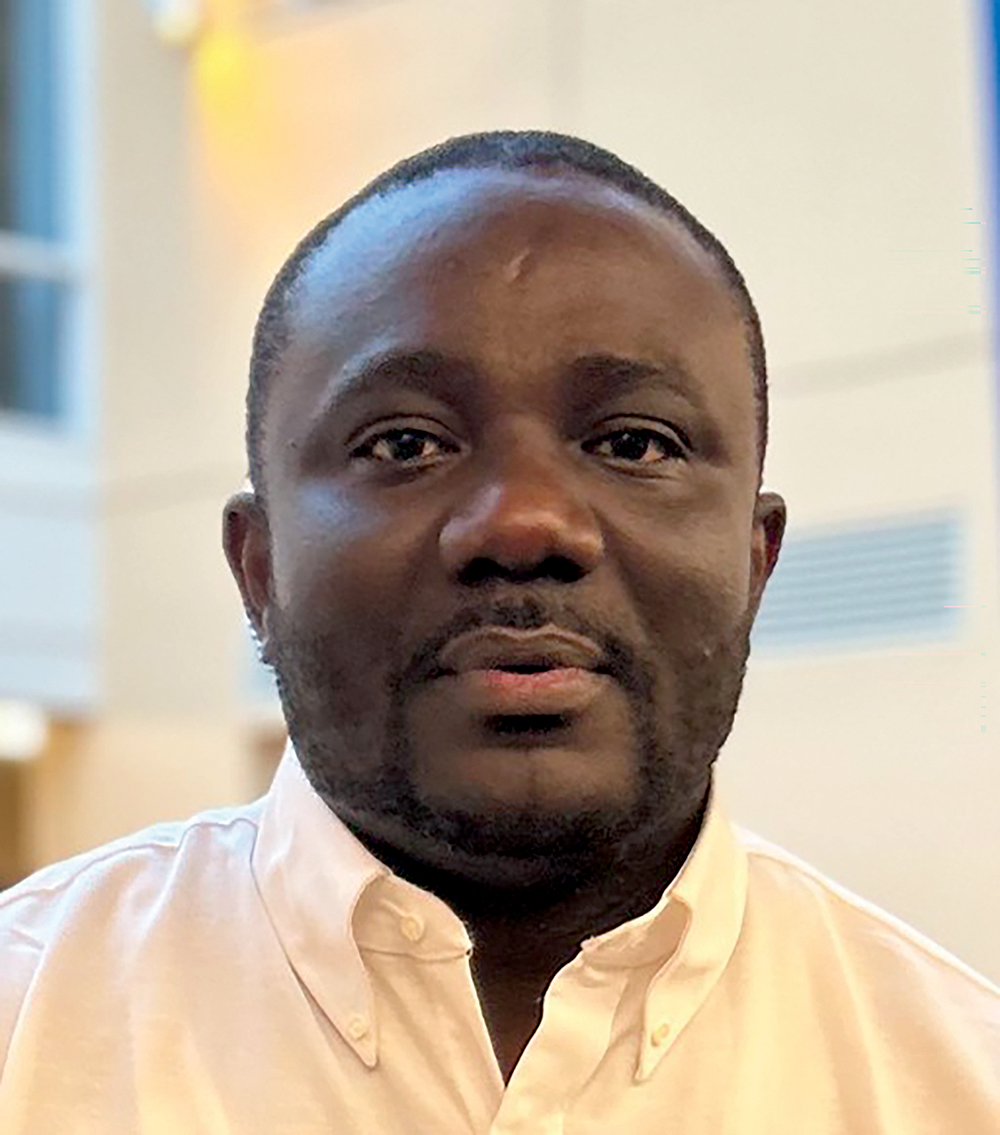
As a young Nigerian graduate deployed to teach in a rural community through the National Youth Service Corps, I witnessed firsthand how U.S. foreign aid has saved lives. U.S. foreign aid has achieved significant humanitarian outcomes, but Africa’s long-term future and America’s long-term interests are better served by shifting from aid dependence toward partnerships centered on infrastructure and profitable investment.
Over the past three decades, there has been an argument about whether donors should continue to provide aid to low-income nations, given the limited long-term development benefits achieved after decades of sustained assistance. Recently, several donors have begun scaling back in their foreign aid commitments. The cutting back of foreign aid by President Donald Trump’s administration to U.S. agencies operating in Africa has revived this long-standing debate on dependency and self-reliance, while also creating immediate risks for countries that heavily rely on external funding.
The short-term consequences are real and scary. In southern Africa, particularly in Lesotho and Eswatini (formerly Swaziland), where there was a high prevalence of HIV/AIDS, U.S. support through the President’s Emergency Plan for AIDS Relief – or PEPFAR – has played a crucial role in reducing new HIV infections and improving health outcomes for people living with the virus in both countries. The sudden retrenchment in HIV funding has therefore raised serious concerns about clinic closures, staff shortages and disruptions to lifesaving treatment. In Nigeria, insecurity is a result of the activities of terrorist groups in the northern regions and has driven food shortages to record levels. About 1 million people rely on assistance from the World Food Program, and the lack of funds has forced the agency scale back on some important nutrition programs, affecting about 300,000 children.
But this situation also forces a difficult and unavoidable question: Should Africa’s future continue to rely on aid, or is it time to reevaluate the relationship?
U.S. foreign aid has never been solely an act of generosity; it has long served as an important instrument of America’s strategic engagement with the rest of the world. Yet aid cannot deliver sustainable African economic development. As Ngozi Okonjo Iweala, director-general of the World Trade Organization, noted, the world that once sustained large-scale aid is changing. The donors have lost faith in the conviction that underpinned aid, and there is no hope of returning to the old model.
The U.S. stands to benefit greatly from deeper and more strategic engagement with Africa. In recent years, global powers such as China and Russia have considerably expanded their presence on the continent, to a great extent through debt-financed infrastructure and resource-backed loans. Rather than competing within this debt-heavy model, the U.S. would benefit more by developing strong, long-term partnerships that prioritize large-scale infrastructure development, private -sector investment, and productive capacity building over traditional foreign aid. Such an approach would not only offer a more economically viable alternative to existing models but would also align Africa’s growth goals with U.S. strategic and economic interests.
The question would no longer be whether Africa needs help. It would be whether the U.S. is ready to engage Africa not just as a giver of aid, but as a trading partner in a rapidly changing global economy.
Olakunle Kayode is a Ph.D. student in supply chain management at the University of Rhode Island, College of Business. He has more than 10 years of experience in logistics, finance and education.