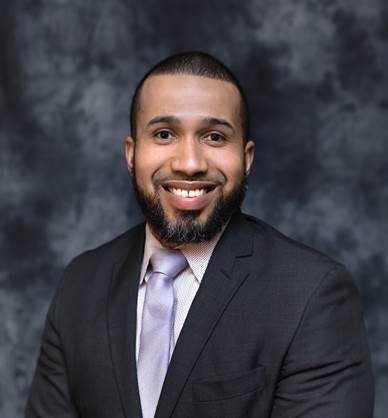
Junior Ortega is in a unique position with one of the world’s largest banks. He manages one of only two “community bank” financial centers in the Bank of America Corp. chain at 1473 Broad Street in the Washington Park neighborhood of Providence. The first community bank financial center to open was in the Roxbury section of Boston. And more are planned around the country.
Bank of America calls its regular branches “financial centers.” A community bank financial center is a specialized version of that. It basically is a branch with more-customized services to meet specific needs of the community in which it operates.
Seifert Systems Invests in Energy Efficiency to Strengthen Operations
For manufacturers, energy is more than just another operating expense. It plays a critical role…
Learn More
Ortega has been with Bank of America for 13 years. He started as a part-time teller, moving up and working in various roles in the bank’s branches. He has managed the Broad Street branch for seven years, both before and after its conversion early this year into a community bank financial center.
PBN: What’s the difference between a community banking center and a conventional bank branch?
ORTEGA: The Washington Park community bank is a recently renovated financial center, equipped with tools and resources that you would not find in a conventional center, all geared toward the customers and the neighborhood that it serves.
We have updated technology, such as Demo iPads and an interactive Better Money Habits touch-screen TV, where clients can learn key points about things [such as] the importance of obtaining and building credit and budgeting. To reflect the diversity of the neighborhood, we also have the ability to help our clients in any language, through our bilingual staff and the bank’s “Language Line” capabilities.
PBN: Could you provide an example or two of how the center can especially serve low- and moderate-income customers?
ORTEGA: We work with many of our clients to provide low credit line credit cards, partially secured credit cards, and fully secured credit cards to help them either build or strengthen credit. We also have a dedicated mortgage loan officer in the center who conducts future seminars for first-time homebuyers.
PBN: How do you foresee your center serving local nonprofits?
ORTEGA: We are currently establishing strong relationships with multiple local nonprofit organizations, such as City Arts and Dorcas International. As we continue to build these relationships, our hope is that, in the future, we will visit those organizations to conduct financial literacy seminars for their clientele and staff members.
PBN: Why is Providence a good spot for one of the bank’s first two community bank centers?
ORTEGA: Providence is where we find many of the state’s low- to moderate-income areas, such as Washington Park in South Providence. That’s why Bank of America chose this as the second location for the Community Bank Financial Center program after our initial center in Roxbury, Mass. We’re proud of the diverse community we serve and want to bring a community-centered approach that meets the needs of the customers in the neighborhood.
PBN: Does the center’s mission fit into Bank of America’s companywide impact investing or ESG [environment, social, governance] initiatives?
ORTEGA: It is very much aligned with our ESG initiatives. By investing into the Washington Park community bank, we are putting our words into practice and demonstrating our commitment to the financial well-being of our clients. The center is proof positive that we are willing to work with and invest in clients at all different levels of financial status.
Scott Blake is a PBN staff writer. Email him at Blake@PBN.com.