When most of us think about health care, we envision professionals who are paid for their skilled work. But every day, a new study shows, 65.7 million Americans tend to a loved one’s needs – meals, baths, taking blood pressure, giving medication – at home, for no pay at all.
The study, “Caregiving in the U.S. 2009,” funded by the MetLife Foundation and conducted for the National Alliance for Caregiving in collaboration with AARP, shows two-thirds of U.S. caregivers are female, their average age is 48, and most have jobs they have to balance with their caregiving, which takes an average of 20 hours per week.
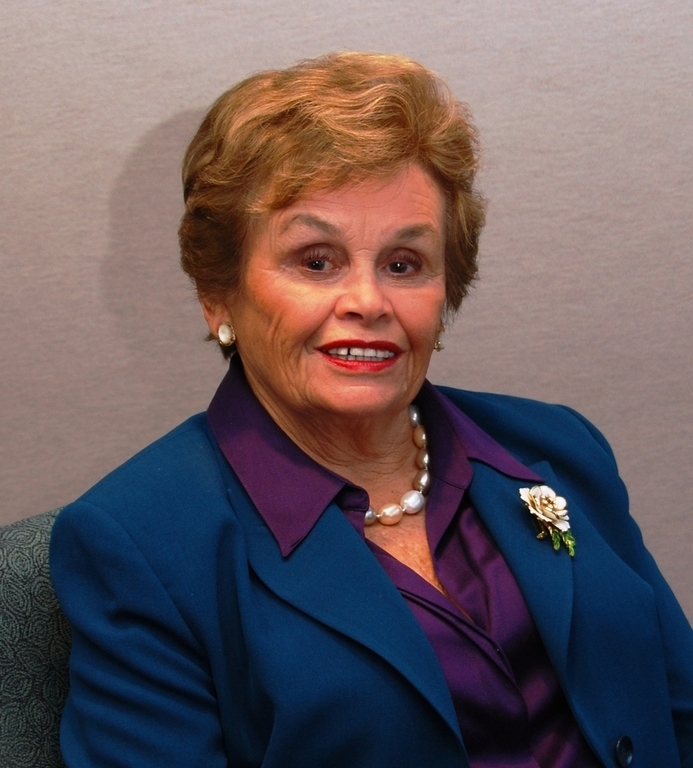
Kathleen Connell, executive director of the AARP Rhode Island, answered questions about the study and its implications for this state.
PBN: How closely does the study reflect the realities you see here in Rhode Island?
CONNELL: In Rhode Island, we have more than 117,000 caregivers who commonly provide caregiving to an adult living in the home or within 20 minutes distance. Nationally, 57 percent of caregivers are in the work force. The cost of this caregiving in Rhode Island is estimated to be $1.44 billion. That relates to $11.41 per hour of unpaid care being provided daily. This situation is common in our state and across the nation as our population lives longer and their health care needs increase.
Beyond Cash Donations: How New Forms of Giving Are Transforming Not-for-Profit Accounting
Evolving Funding Landscape for Not-for-Profits Not-for-profit organizations are being asked to do more with less,…
Learn More
PBN: A major priority in long-term care in recent years has been to keep aging seniors in their homes, rather than in assisted living or nursing homes. Do you think those discussions fully take into account the challenges involved in caring for an elderly parent at home?
CONNELL: AARP supports keeping seniors in their homes and in their communities by allowing them to receive home support services. The recently adopted Global Waiver signed by Gov. Donald L. Carcieri Carcieri supports this initiative. There are challenges without a doubt. Caregiving places the caregiver’s own health at risk, a problem just beginning to be recognized. They report having more chronic conditions at nearly twice the rate of non-caregivers. There are financial strains when the caregiver’s job is affected, and the emotional toll on caregivers is often the last stress to be acknowledged or recognized.
PBN: In a different era, it was the norm to have grandma or grandpa live with the family, and it didn’t seem to be viewed as a big deal at all. What has changed?
CONNELL: Conditions have changed substantially. Most adults today have full-time jobs and children. They are time-challenged and financially squeezed. Their parents are living longer and require more care and attention, and many families simply do not know where to turn for help or support. In Rhode Island, we are fortunate to have a single point of entry for long-term care services called The Point, a resource and information center under the R.I. Department of Elderly Affairs. The United Way of Rhode Island also has 211 [a free phone help line] with many resources available as well.
PBN: What does this study tell us about the kinds of supports that today’s caregivers need to be able to manage?
CONNELL: More than any other policy change, caregivers say they would like financial help. They support a substantial tax credit for caregivers, and many would like a voucher program where care recipients could pay caregivers a minimum wage.
PBN: I noticed that in the last five years, there’s been a decline in the use of paid help, and there’s a speculation that it might be economy-related. What kinds of policy changes does AARP advocate to address this issue?
CONNELL: The report shows a decline in paid help, but an increase in those who are unpaid. It is probable that this reflects increasing unemployment and a decline in incomes across the nation. The well-being of primary caregivers and their financial, physical and emotional needs must become a central factor in the development of policies relating to long-term care. Employers should offer flexible work schedules and alternative work options, including telecommuting, work at home and job-sharing, that enable them to better balance work with caregiving responsibilities.