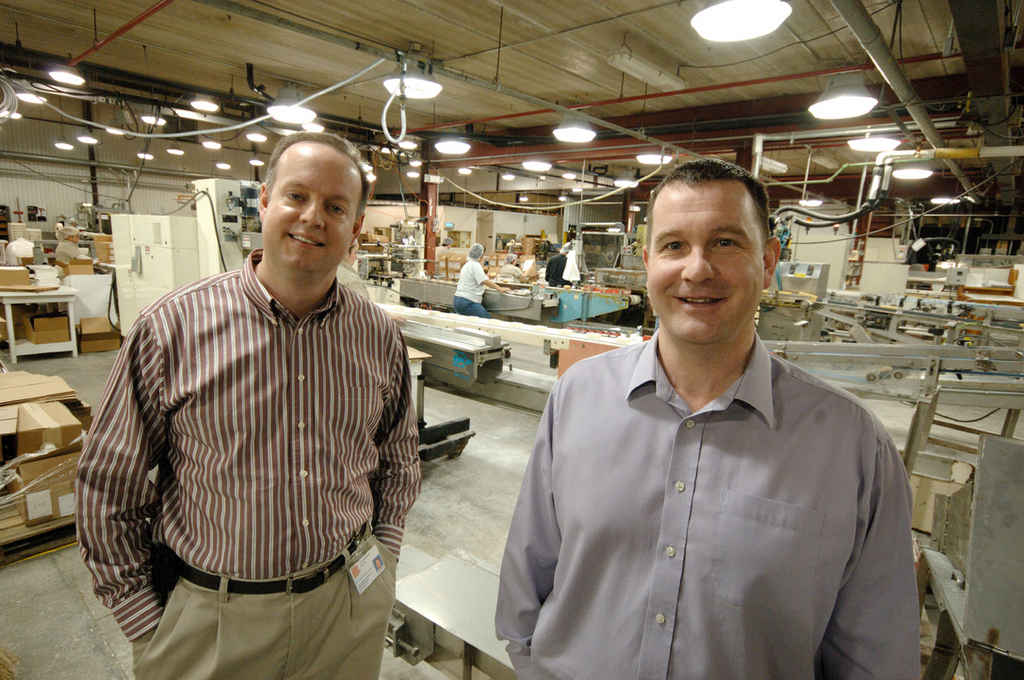
William F. Schmiedeknecht, Jr., senior vice president of human resources for Bradford Soap Works Inc., is currently leading a team of executives from throughout the company to develop a plan to prepare the 132-year-old soap manufacturer in West Warwick for a possible recession.
“Ultimately, HR folks like myself need to be strategic partners with the operations, finance and the business-development groups,” Schmiedeknecht said.
Planning across the organization is a necessary first step for HR administrators as the stalling economy impacts their businesses, said John Donohue, director for the employee benefits practice of the Bostonian Group, a Boston-based consulting firm with practices including human resources services, employee benefits and retirement.
“If I were in HR, I certainly would be having some of these conversations with the financial side of the house – maybe the CFO or my finance people – to understand that as we contract on head counts, we may see some of these things,” said Donohue, whose Rhode Island clients include Bradford Soap Works.
Donohue and other HR experts recommend a handful of other measures that HR administrators should consider during the economic downturn:
• Educate employees on the long-term nature and proper allocation of 401k assets.
National indicators show that employees are increasingly taking loans under their 401k plans as the mutual funds that make up their retirement savings shrink. Human resource administrators should advise employees to keep their savings in their 401ks and view them as long-term assets, Donohue said.
“The concept of market timing – trying to move my money out of investments and more into cash – really isn’t the right way to go if you take the long-term approach,” he said.
• Expect increased health care, dental and long-term disability claims in the face of potential layoffs.
As the economy slows down and employees start to become more concerned about potential layoffs, employers can expect a potential increase in elective surgeries, long-term disability- claim submissions, and other claims.
“As employees look toward the future and are potentially fearful of any layoffs, they’re going to be making sure their needs are taken care of while they’re covered under the employer’s insurance program,” Donohue said.
• Get all employee documents and HR procedures in compliance with the law.
In advance of potential layoffs, HR administrators should make sure that all summary plan descriptions, Retirement Allowance Plan documents, 401k-plan summary annual reports and other such documents 100 percent in order.
“As potentially disgruntled employees leave the organization, you want to make sure that there isn’t any, I guess, opportunities, for lack of a better term, for them to come back at you,” Donohue said.
• Consider outsourcing COBRA administration.
COBRA, the federal law that gives employees and their eligible dependents the ability to remain in their employer’s group insurance plan for up to 18 months after being laid off, is usually elected by employees with higher-than-average claim activity, Donohue said.
“If I’m an HR administrator, I’m going to, in a worst-case scenario, see some mass layoffs, which is going to result in a greater COBRA activity for me,” he said. “So that can impact future renewals for health care or exacerbate cost of my renewal.”
• Expect more reorganizations or restructuring, as employers look to consolidation upper management.
“I think you’re going to be hearing more about firms that are looking to tighten their belt and get more efficient at higher-income levels,” Donohue said. •