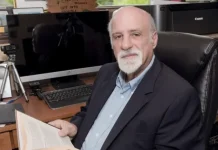
Inside the Johnston offices of Operation Stand Down Rhode Island, a nonprofit supporting homeless and at-risk military veterans with housing, job training and legal assistance, Timothy Ruel, employment and training program manager, is busy helping his clients find employment.
Ruel, a U.S. Army veteran and former military police officer, says veterans bring highly transferable, real-world skills, such as leadership, discipline and decision-making under pressure, not to mention technical and systems expertise.
And the finance industry is taking notice.
Last year, Bank of America Corp. announced it will hire 10,000 individuals with military backgrounds over the next five years. Citizens Bank and other local financial institutions have also been expanding veteran recruitment efforts in Rhode Island.
Ruel said he’s not surprised. If anything, the connection between military service and banking is more direct than it may appear.
“You’re talking about mortgage lending, wealth management, compliance, operations,” Ruel said. “And you’re asking for somebody who’s skilled with client-facing roles, leadership and attention to detail. That’s a military veteran.”
That dynamic is already playing out in the Ocean State, he said.
At the Providence VA Medical Center, which regularly partners with Citizens to host recruitment sessions, Kimberly Kralicky, employment resource program manager, said an April event drew about 15 veterans, with at least two moving directly into jobs.
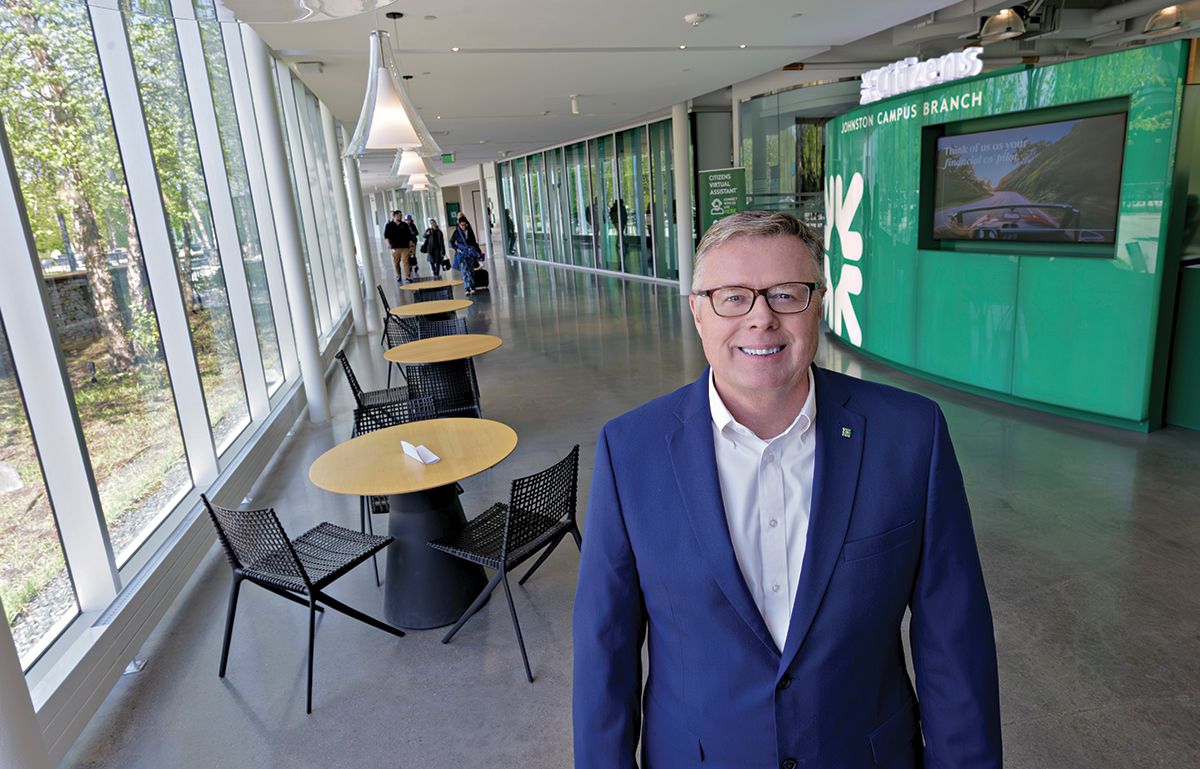
Steve Bradley, Citizens’ talent acquisition leader, pointed to a recent example of a retired Army colonel, Hank Coleman, who spent 25 years running large-scale logistics operations overseas before transitioning into a SkillBridge internship – a Department of Defense program that allows active-duty service members to spend their last 180 days of service gaining civilian work experience through industry training, apprenticeships, or internships – in the bank’s wealth operations division.
“It’s challenging for a guy like that to pivot out,” Bradley said. “But he’s running complex operations, managing resources at scale – that translates.”
Bradley said Citizens’ partnership with Operation Stand Down is one of roughly 15 veteran-focused relationships the bank uses to recruit former service members and support their transition into civilian careers.
Ruel said Citizens is not the only bank working with Operation Stand Down. Formal partnerships between Operation Stand Down and local institutions, including Centreville Bank and Navigant Credit Union, are also helping connect veterans with entry-level and professional roles across the financial sector.
Bank of America’s latest commitment to hire 10,000 veterans follows an effort that has already brought more than 20,000 individuals with military backgrounds into the company since 2015.
Jenny Kim Park, the bank’s chief opportunity and inclusion officer, said military experience is increasingly being viewed as directly transferable to financial services roles as banks expand skills-based hiring.
“As candidates, veterans bring exactly the kind of skills and attributes needed in financial services,” she said. “Their resilience, sense of teamwork and risk awareness, and in many cases advanced technical training, can be incredibly valuable in banking.”
Park said traditional job descriptions often fail to fully capture how military experience translates into workplace skills. But the industry’s growing focus on skills and capabilities such as leading teams, managing operations and working under pressure has helped expand hiring pipelines, she said.
As part of that workforce pipeline, the bank also partners with organizations such as American Corporate Partners to support veterans transitioning into financial roles.
Park said that through these partnerships, veterans are moving into financial centers, operations, technology and client-facing roles, with many advancing quickly into leadership tracks.
“The roles we see veterans in are really across the board,” she said. “But what stands out is how often they grow into leadership pathways because of their prior experience managing responsibility and teams.”
In addition to seeing more banks recruiting veterans, Ruel says veterans are increasingly viewing banking as a structured, long-term career path.
“The interest level is there because it shows a direct pathway to a professional, long-term, sustainable career that has support systems and benefits built in,” Ruel said. “Veterans respond well to things like that.”
Kralicky said she sees that same interest firsthand through the Providence VA Medical Center’s employment program.
“When these banking partnerships emerge, veterans are very excited to engage in them,” Kralicky said.
Still, Ruel said that many veterans are navigating a transition point, deciding whether to immediately enter the workforce or pursue additional education before specializing in areas like finance or cybersecurity.
“What do I do? Do I go to college first, or do I get to work right away?” he said. “That’s the midpoint a lot of them are in.”
Park said onboarding and transition support is key to long-term success, noting that how companies support veterans entering civilian roles can be just as important as the hiring itself.
Bradley agreed, and said Citizens places an emphasis on what happens after the hiring.
“It’s not just about hiring them; it’s about setting them up to succeed once they’re here,” he said. “This is a pipeline that continues well after the offer letter is signed.”