
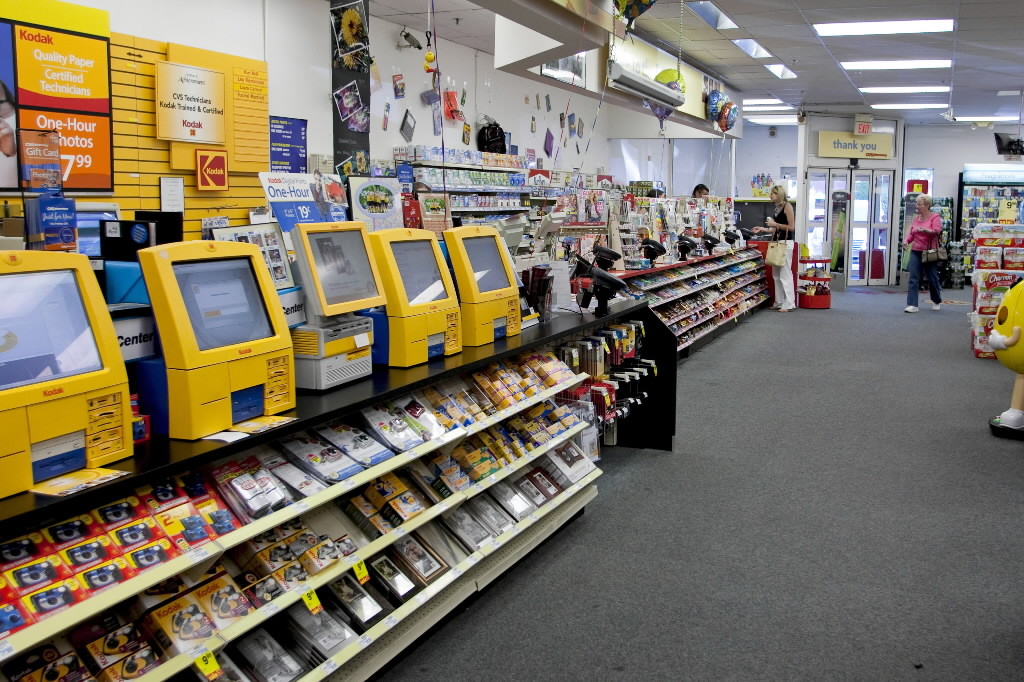
HARTFORD – CVS Caremark Corp. agreed to pay $268,900 in fines to Connecticut after illegally dumping photo-processing chemicals into sewers that threatened local drinking water and aquatic life, the Hartford Business Journal reported Tuesday.
The Connecticut Department of Environmental Protection said photographic chemicals were routinely mishandled or dumped down store drains in about 100 CVS/pharmacy stores and eventually spread into storm drains, according to the newspaper.
CVS has agreed to pay $223,900 to Connecticut’s general fund and $45,000 toward funding a study looking at how to reduce the amount of storm water that enters the sewer systems in New Haven and Bridgeport, the Hartford Business Journal said.
In an e-mailed statement to Providence Business News, CVS said it reached an agreement to follow proper procedures for the disposal of photographic processing chemicals and wastewater generated from its photo processing service and rinsing of certain types of pharmaceuticals. CVS said it will implement standard operating procedures, staff training and workplace signage to ensure proper disposal.
“It is important to note that this agreement does not involve any allegation that prescription pharmaceutical products were improperly poured down the drain,” the statement said.
When Providence Business News asked about the photo-processing chemical disposal procedures in Rhode Island, Mike DeAngelis, director of public relations, said:
“Because Connecticut’s requirements are unique to that state, stores in other states will continue operating in accordance with the requirements unique to their jurisdictions. We constantly evaluate environmental compliance within our stores and continue to enhance our processes as a result.”
“Also, there are no similar state actions currently pending against CVS concerning photo-processing wastewater discharge,” he added.











I hope PBN will ask the next logical question:
When did Rhode Island’s environmental regulators last investigate CVS’s in-state wastewater practices, and what did they find?
I hope PBN will ask the next logical question:
When did Rhode Island’s environmental regulators last investigate CVS’s in-state wastewater practices, and what did they find?